.svg&w=384&q=75 "Naijagoal logo")

Spain vs Argentina: A World Cup Final of Tactical Mastery
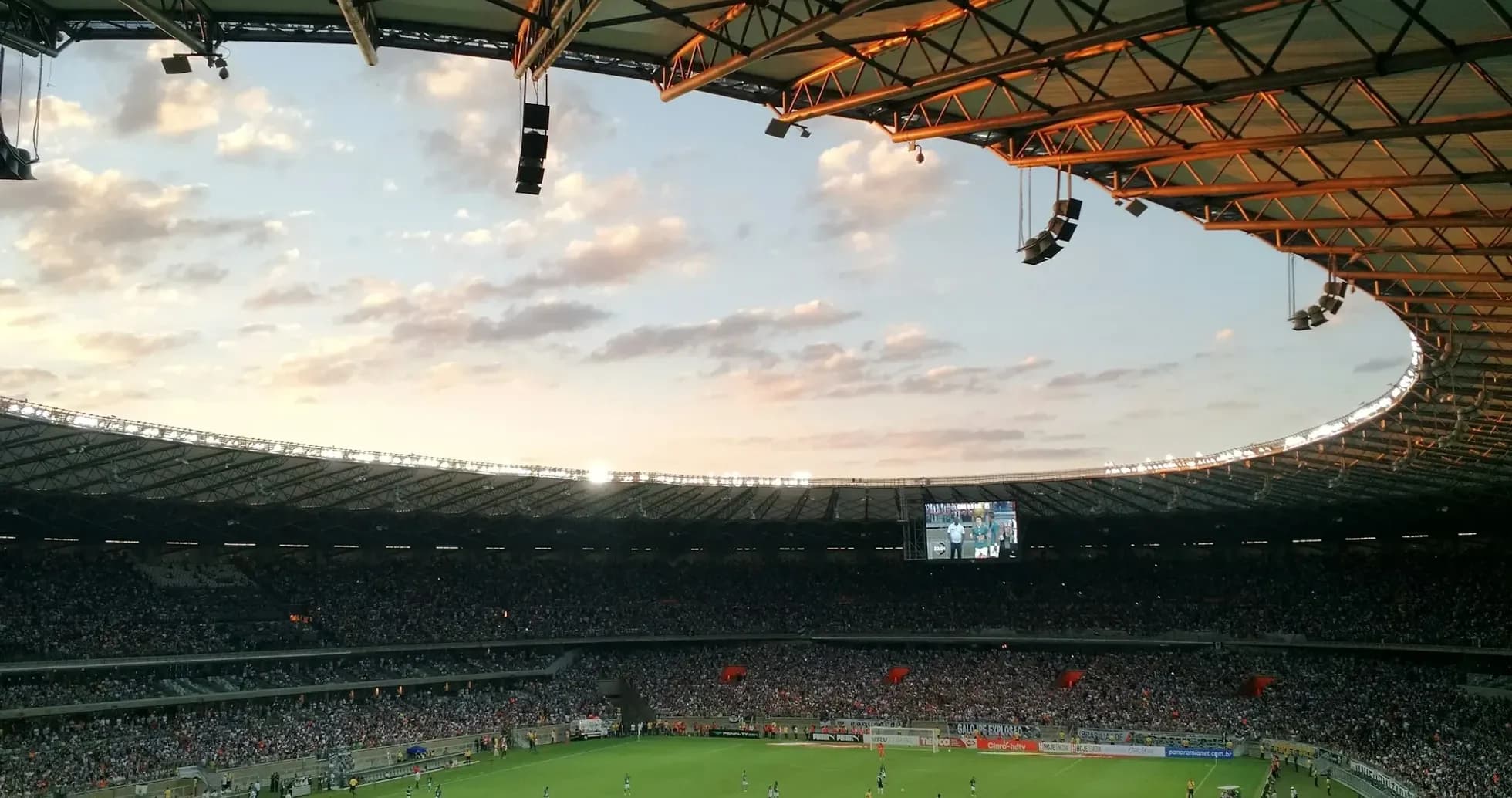
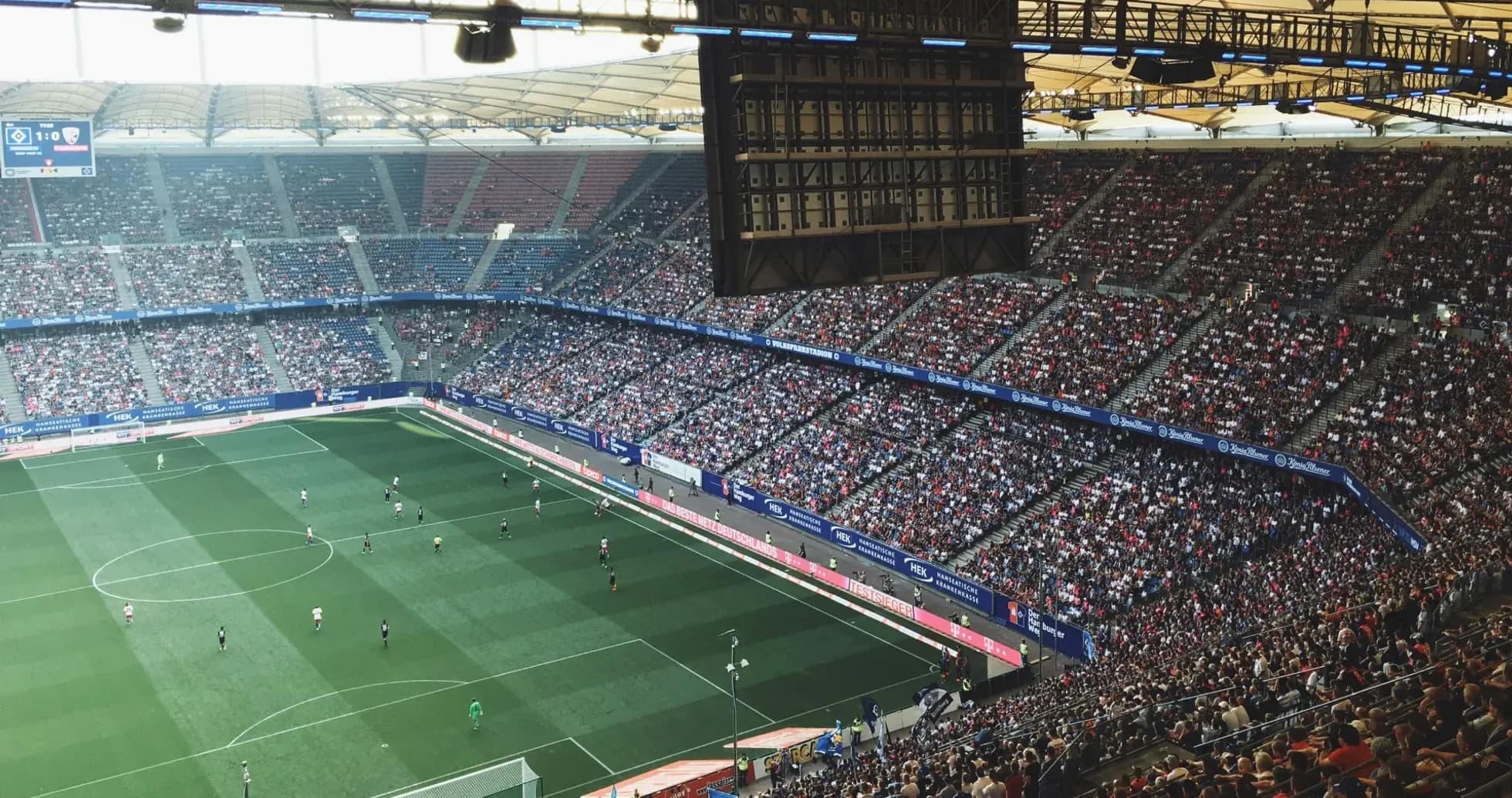
MetLife Stadium in East Rutherford hosted a World Cup Final that felt less like a single match and more like the collision of two fully formed footballing identities. Spain arrived as the tournament’s most controlled machine; Argentina as its most explosive narrative. After 120 minutes, Spain’s 1–0 extra-time win crystallised a clash that had been foreshadowed all tournament by the numbers and the names on the teamsheets.
I. The Big Picture – Two Perfect Runs, One Trophy
Heading into this game, both sides were unbeaten across eight World Cup fixtures. Spain’s campaign had been defined by control: 8 matches played in total, 7 wins, 1 draw, and no defeats. They had scored 14 goals in total and conceded just 1, with an overall average of 1.8 goals scored per match and 0.1 conceded. At home they had averaged 2.0 goals scored and 0.2 conceded; on their travels 1.3 scored and 0.0 conceded. Seven clean sheets in total spoke of a side that suffocates games as much as it wins them.
Argentina, by contrast, came in with a more volatile, attacking profile: 8 matches in total, 7 wins and 1 defeat, 19 goals scored and 8 conceded. That gave them an overall average of 2.4 goals for and 1.0 against per match. At home they had averaged 2.8 scored and 1.0 conceded; away, 1.7 scored and 1.0 conceded. They had only 2 clean sheets in total, but their ability to overwhelm opponents in bursts had carried them through the Round of 32 and beyond.
The group-stage standings framed this as a meeting of group winners. Spain had topped Group H with 7 points, a goal difference of 5 from 5 goals scored and none conceded in 3 matches. Argentina had dominated Group J with 9 points and a goal difference of 7, built from 8 goals scored and 1 conceded in their 3 group games. This was not an underdog tale; it was a final between two No. 1 seeds.
II. Tactical Voids and Discipline – Managing the Edges
There were no listed absences, so both coaches could lean fully into their preferred structures. Luis de la Fuente doubled down on Spain’s tournament identity with a 4-2-3-1: Unai Simón behind a back four of Pedro Porro, Pau Cubarsí, Aymeric Laporte and Marc Cucurella. Rodri and Fabián Ruiz formed the double pivot, with Lamine Yamal, Dani Olmo and Álex Baena supporting Mikel Oyarzabal up front.
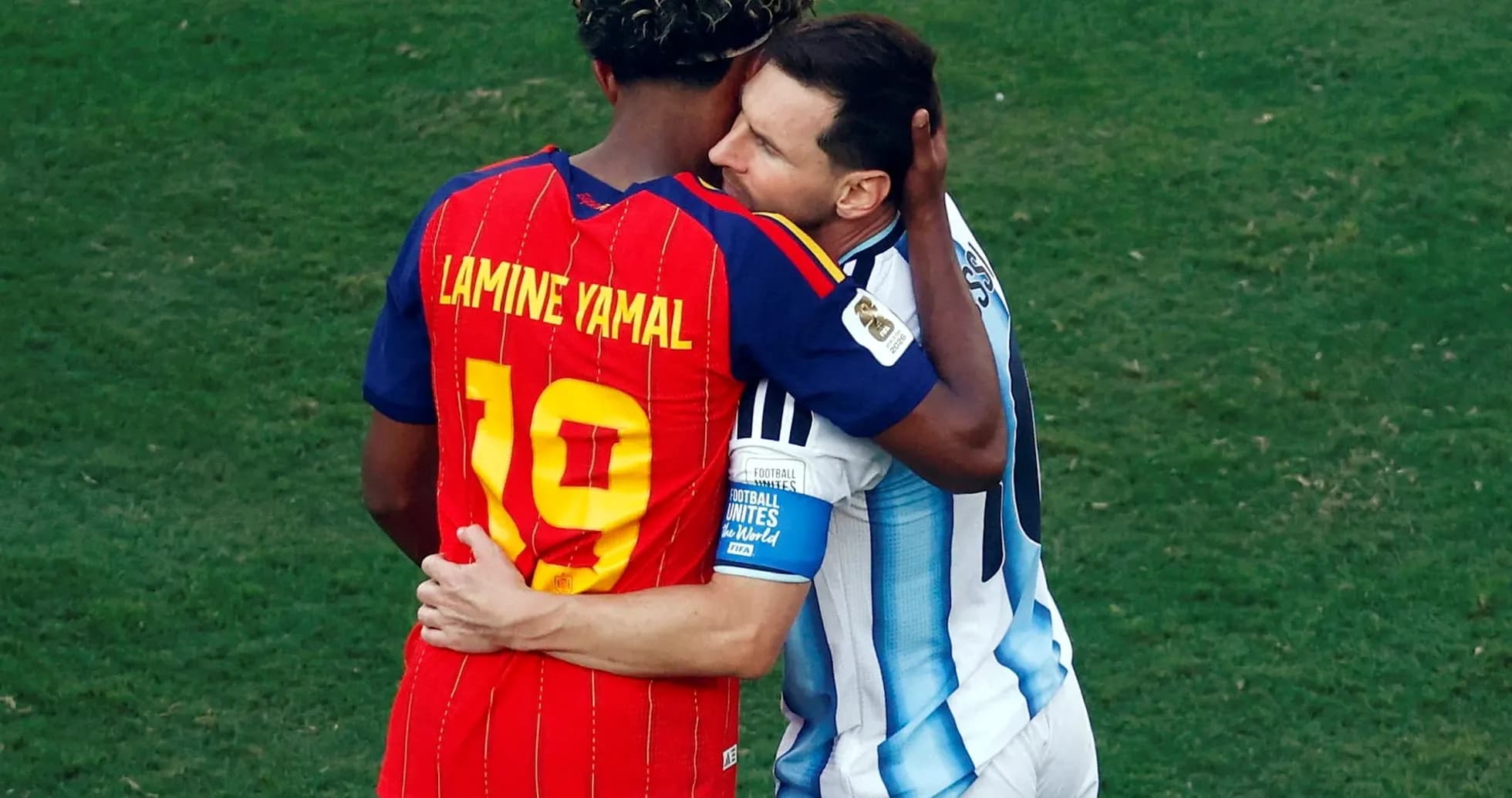
Lionel Scaloni responded with a 4-4-2 that had become Argentina’s spine: Emiliano Martínez in goal, Gonzalo Montiel, Cristian Romero, Lisandro Martínez and Nicolás Tagliafico in defence; Rodrigo de Paul, Enzo Fernández, Alexis Mac Allister and Nicolás González across midfield; Lionel Messi and Julián Álvarez as the front two.
Discipline had always threatened to be a subplot. Spain’s yellow-card profile showed that 33.33% of their cautions came between 31–45 minutes, and 50.00% between 91–105 minutes, underlining how they can be stretched just before half-time and in the early stages of extra time. Argentina’s distribution was even more telling: 13.33% of their yellows in each of 31–45, 46–60 and 76–90 minutes, but a late-game spike with 33.33% between 91–105 and 20.00% between 106–120. They had also seen a red card in the 91–105 window. Enzo Fernández, in particular, carried a disciplinary edge: 1 yellow card and a yellow-red combination in the tournament, with 12 fouls committed.
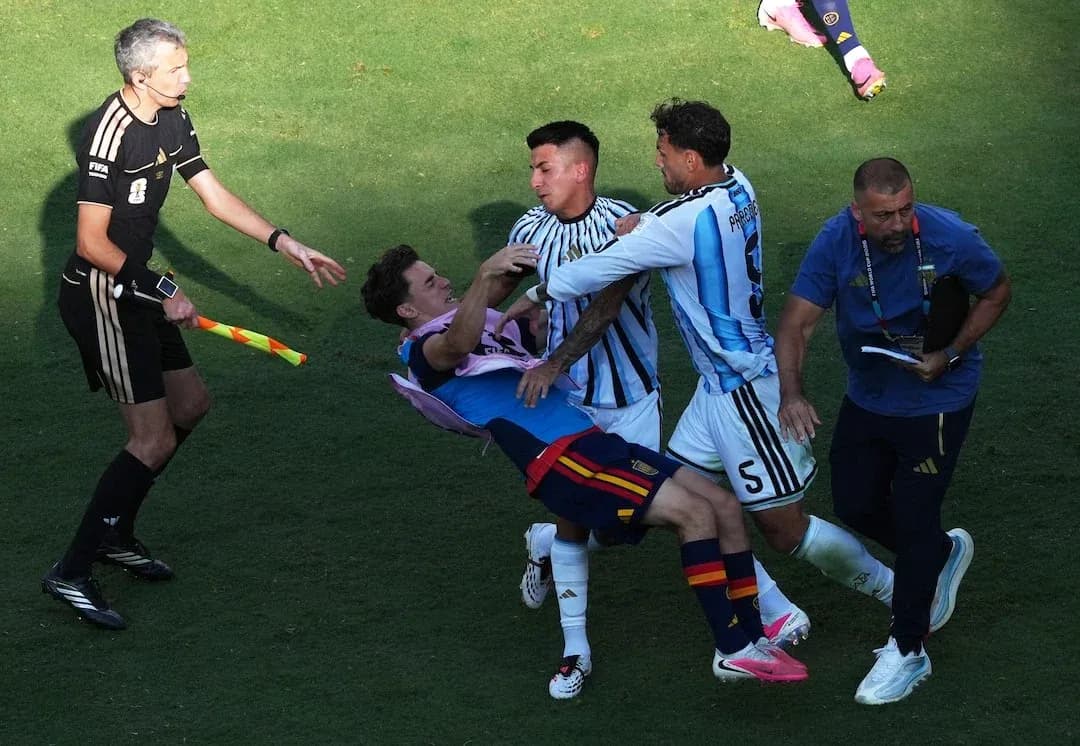
In a final that went to extra time, those patterns were not theoretical; they were a live risk. Spain’s clean disciplinary slate in this match contrasted with Argentina’s cumulative tendency to fray at the margins of fatigue and pressure.
III. Key Matchups – Hunter vs Shield, Engine Room vs Enforcer
The headline duel was always going to be Messi against Spain’s defensive structure. Messi arrived as both top scorer and top creator: 8 goals and 4 assists, with 28 shots (18 on target), 26 key passes and 27 successful dribbles from 38 attempts. He had drawn 20 fouls and carried an overall rating of 8.85. Yet there was a hidden vulnerability: from 3 penalties in total for Argentina this tournament, only 1 had been scored and 2 missed, and Messi himself had missed 2 penalties. In a final of fine margins, Argentina’s penalty fragility loomed over every foul in the box that never came.
Spain’s shield was collective. Across the tournament they had conceded only 1 goal in total, with 7 clean sheets. The centre-back pairing of Pau Cubarsí and Aymeric Laporte, flanked by Porro and Cucurella, operated in front of Rodri, who functioned as the metronome and screen. Their structure was designed less to stop one man than to deny Argentina the zones Messi loves: the right half-space and the central pockets between lines.
On the other side, Spain’s primary hunter was Oyarzabal. He came into the final with 5 goals and 1 assist, 21 shots with 12 on target, and a habit of timing his runs off the last line. His duel was with Cristian Romero and Lisandro Martínez, both among the tournament’s most combative defenders. Romero had 15 tackles, 3 blocks and 10 interceptions, plus 2 yellow cards; Lisandro Martínez had 12 tackles, 1 block, 6 interceptions and 2 yellows. Their aggression and front-foot defending had underpinned Argentina’s ability to squeeze games, but also risked giving away dangerous fouls around the box.
In midfield, the engine-room battle pitted Spain’s Rodri and Fabián Ruiz against Enzo Fernández and Alexis Mac Allister. Enzo’s 512 completed passes with 93% accuracy and 11 tackles made him Argentina’s tempo-setter and ball-winner. But against Spain’s structure, his dual role became a burden: break up play, then instantly play forward before Spain’s press reset. Any delay, and Rodri would re-establish control.
IV. Statistical Prognosis and How It Played Out
On paper, this final was the meeting of the tournament’s best defence and its most prolific attack. Spain’s overall averages of 1.8 goals scored and 0.1 conceded per match suggested that even in a game tilted by Argentina’s 2.4 goals per match, the Spanish block would drag the contest towards narrow margins. Argentina’s higher concession rate of 1.0 goal per match overall, and just 2 clean sheets in total, hinted that if anyone was going to blink first, it would likely be Scaloni’s side.
The disciplinary and penalty data added further weight. Argentina’s late-game yellow and red-card spikes between 91–105 and 106–120 minutes, combined with their 2 missed penalties from 3 in total, pointed to a team that becomes more chaotic, not calmer, as matches stretch into extra time. Spain, by contrast, had been relentlessly consistent, with no penalties missed and a structure that rarely allowed chaos to take hold.
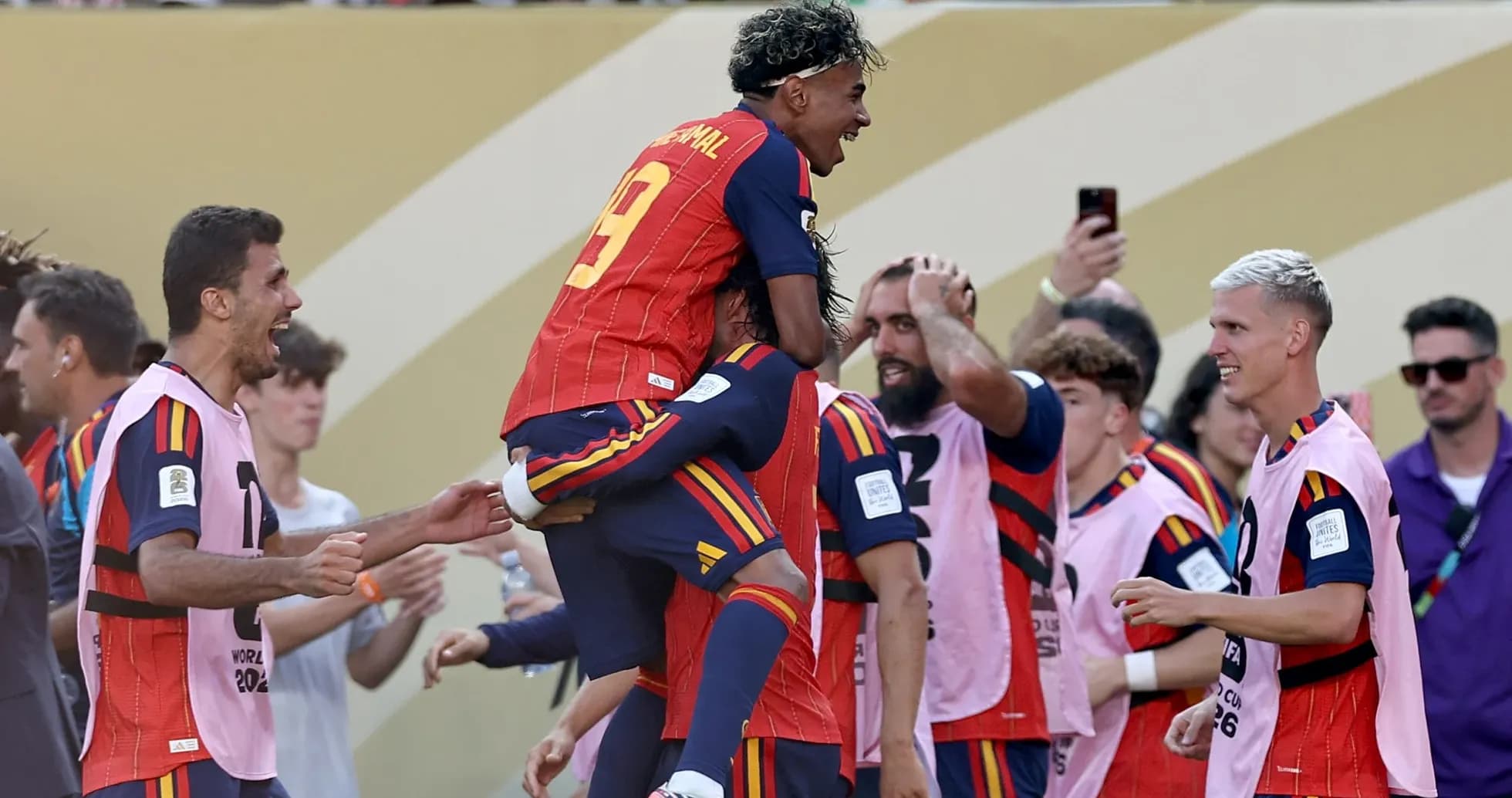
In the end, the 1–0 Spain win after extra time was less an upset of Argentina’s attacking firepower than the logical outcome of competing statistical truths. Spain’s 4-2-3-1, with Lamine Yamal and Dani Olmo knitting between lines and Oyarzabal as the reference point, slowly ground down a defence that had ridden its luck all tournament. Argentina’s 4-4-2, built around Messi’s genius and the vertical runs of Julián Álvarez, found itself funneled into crowded central zones and wide traps.
The final whistle confirmed what the numbers had whispered for weeks. Spain’s campaign had been about control, suppression and timing; Argentina’s about surges, moments and risk. Over 120 minutes in East Rutherford, it was the side with the deeper defensive platform, the calmer disciplinary profile and the more balanced attacking spread that prevailed. The World Cup Final became the purest expression of Spain’s season-long identity – and the one match where Argentina’s margins finally ran out.