.svg&w=384&q=75 "Naijagoal logo")

2026 World Cup: A Clash of Football Magic and Controversy
A Tournament of Stunning Football and Unseen Tensions
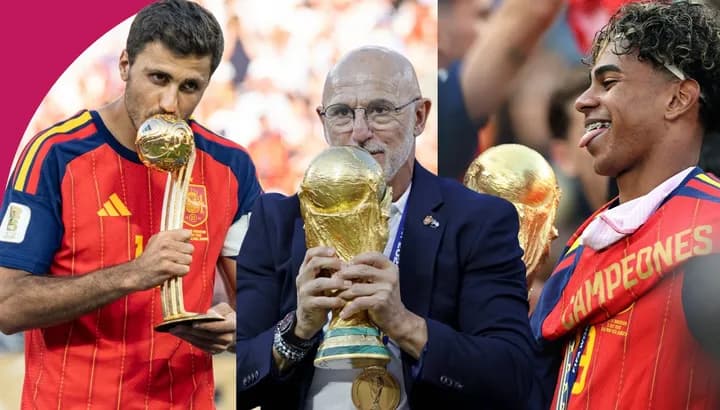
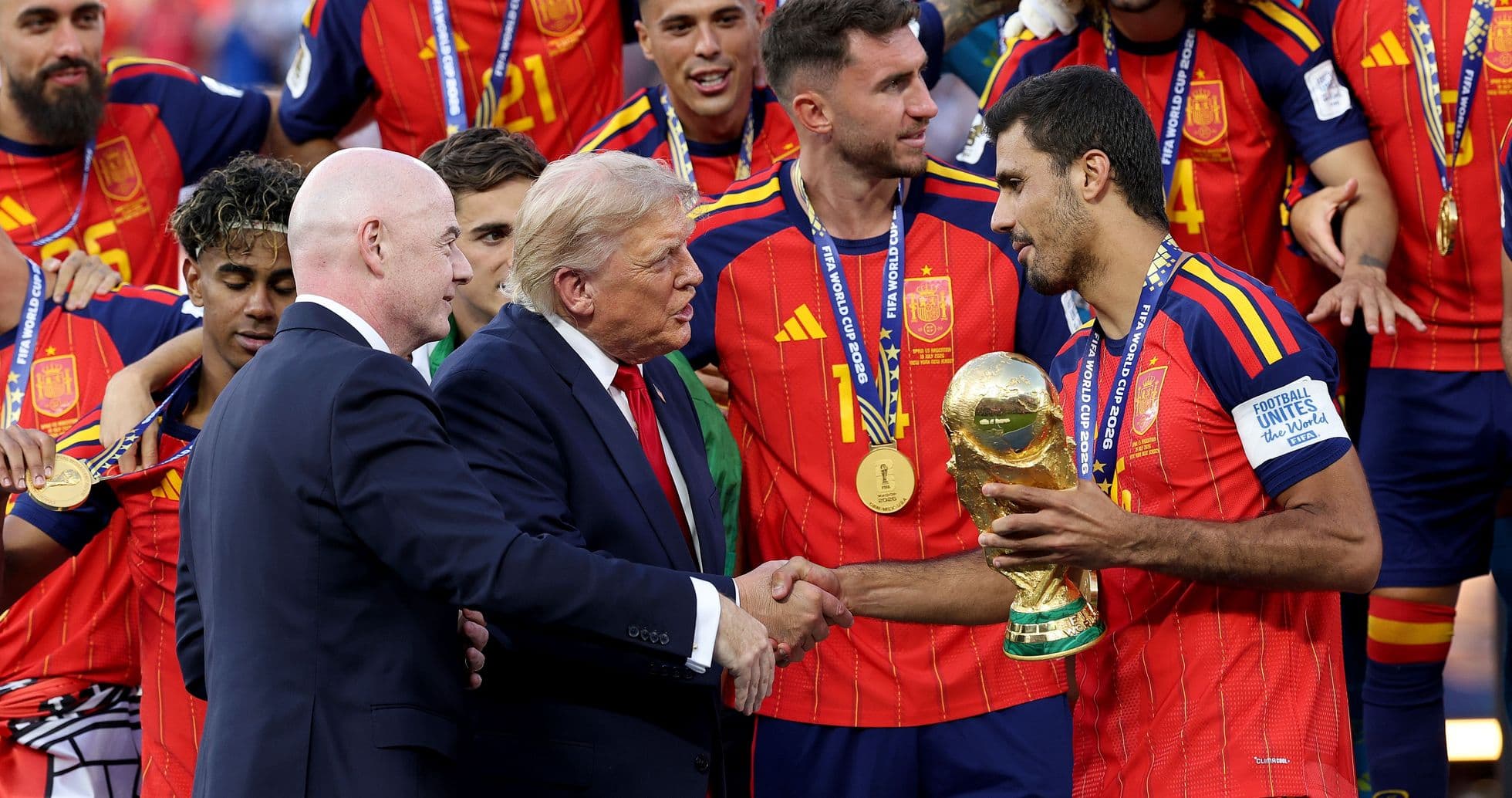
The 2026 World Cup presented a vivid contrast between breathtaking football moments and troubling administrative challenges. Spectacular performances by elite players captivated fans worldwide, highlighted by Spain's historic victory. Yet beneath the surface, political maneuvers and commercial choices stirred heated debates over FIFA's openness.
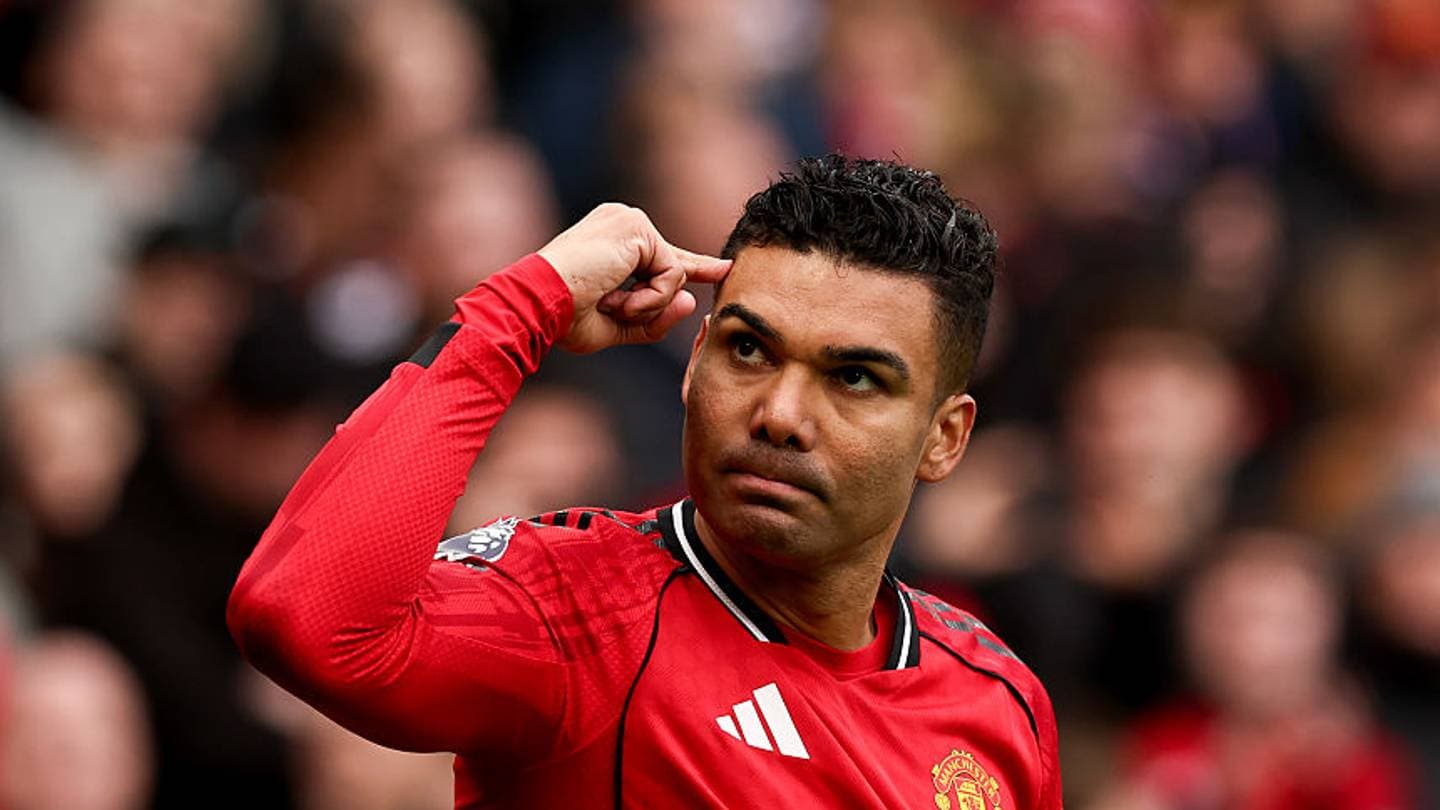
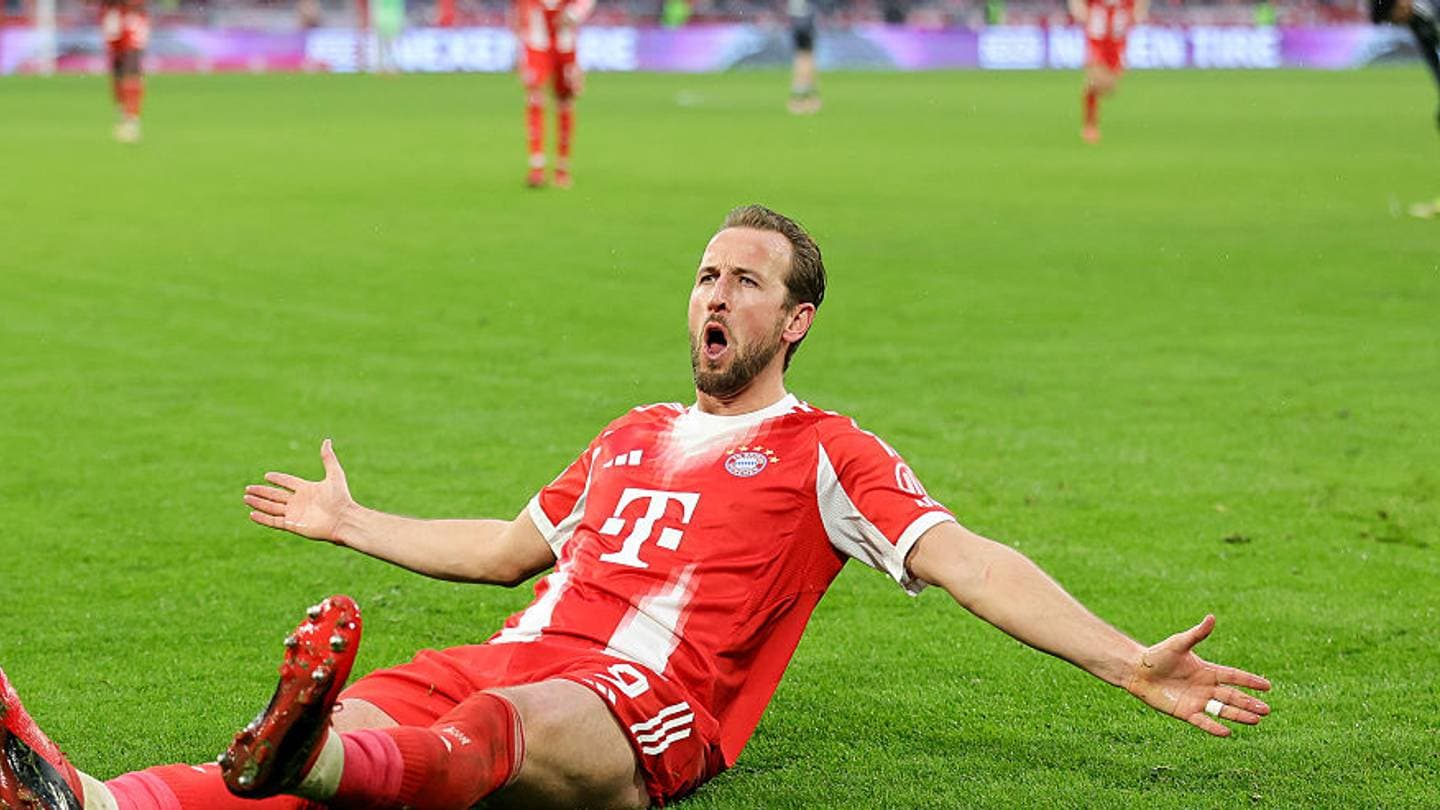
Fans witnessed an exhilarating display of talent, with memorable goals, celebrations like the Norwegian rowing salute, and nonstop action that stretched from morning until late night. The tournament brought all the biggest stars and teams, unlike past editions where some top contenders disappointed or missed out.
Football's Brightest Stars Shine
Kylian Mbappé took home the Golden Boot, edging out legends like Lionel Messi and Jude Bellingham. The semi-finals featured the world's four best national teams, while Erling Haaland's goal celebrations became iconic. Spain made history by holding both the men's and women's World Cups simultaneously.
Several teams achieved milestones too. Canada advanced past the knockout stage for the first time, Mexico pushed England to the brink in one of the tournament's finest matches, and the United States dominated their group, scoring a record 11 goals and winning three games for the first time ever at a World Cup. The post-match scenes in Seattle, with fans singing "Country Roads" alongside players, captured a rare unity and joy.
Behind the Scenes: Money and Politics Cast Shadows
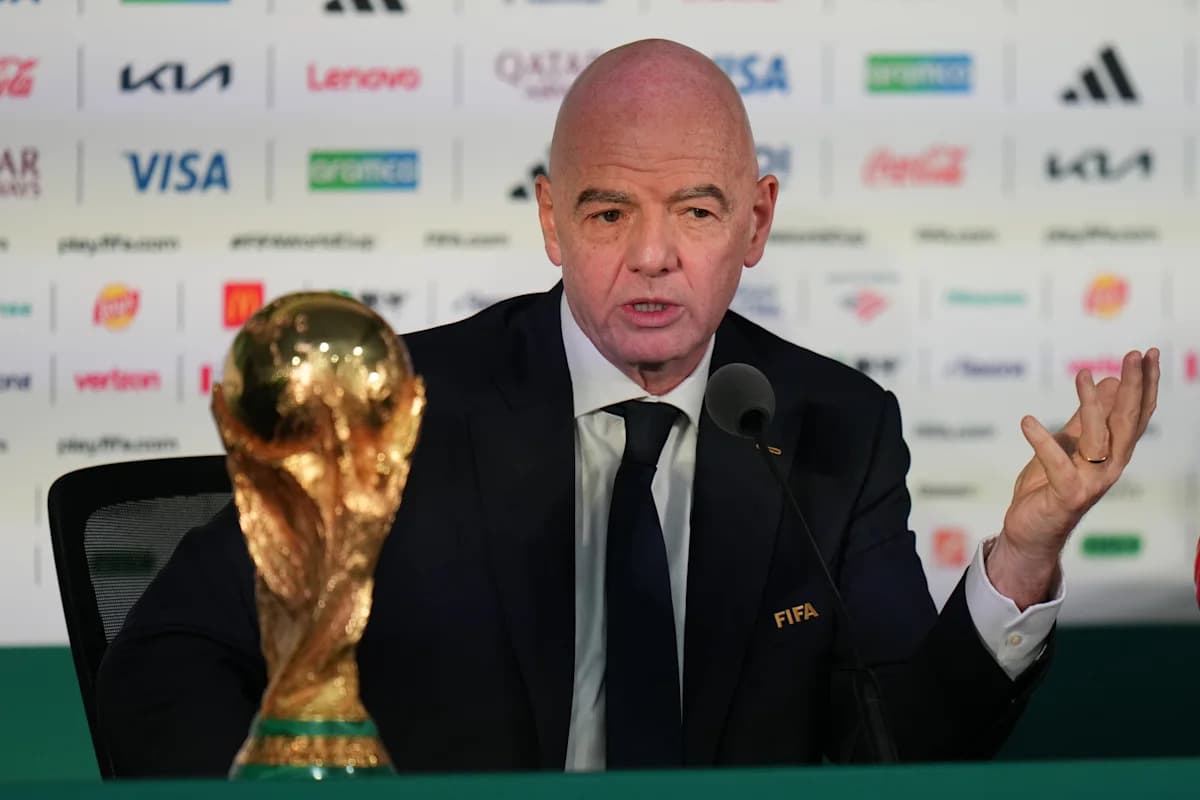
Despite the thrilling football, concerns about FIFA's governance loomed large. Ticket pricing strategies and political interference drew sharp criticism. One particularly controversial episode involved former President Donald Trump and US government officials intervening to clear striker Folarin Balogun to play despite a suspension, shaking fans' trust in fairness.
For the first time, enforced match stoppages allowed commercials during play, breaking the sport’s traditional flow. The pursuit of revenue was evident everywhere, from dynamic ticket sales to commissions FIFA collected on secondary markets. These moves left many questioning the balance between sport and business.
Human Stories Amidst the Turmoil
Amid the chaos, genuine connections flourished. Scottish supporters formed a bond with Boston; Kansas embraced Algeria's team; Lionel Messi delivered last-minute victories; Cristiano Ronaldo scored in his final World Cup appearance. Underdogs like Cape Verde emerged as crowd favorites, proving football’s unpredictable charm.
FIFA’s Reputation Under Pressure
The darker side included disputes over video assistant referee decisions, the complex path of third-placed teams advancing in the knockout rounds, and the plight of Iran, caught in geopolitical turmoil and uncertain travel plans. The tournament exposed the tension between expanding football’s global reach and managing the sport’s integrity.
Money remains the dominant force shaping the World Cup’s future. The vast profits will fund efforts to grow the game worldwide and maintain the spectacle with advertising, halftime entertainment, and expansion to 64 teams.
Whether viewed as magnificent or flawed, this World Cup sets a precedent. FIFA and the United States are likely to co-host again, possibly in 2038. The mix of wonder and controversy seen here may well repeat, leaving fans eager yet cautious about what comes next.