.svg&w=384&q=75 "Naijagoal logo")
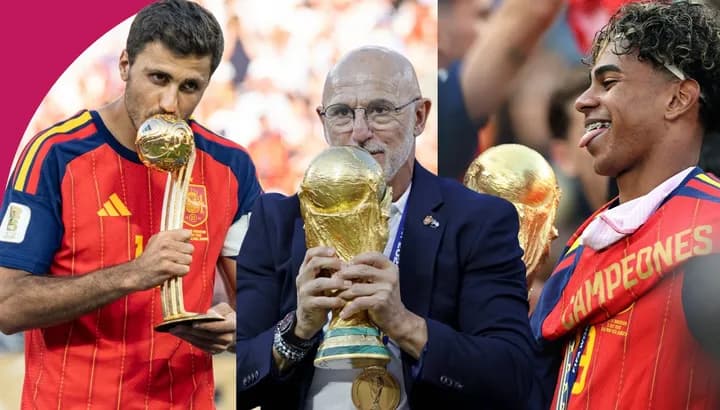

Luis de la Fuente and Spain's Tactical Mastery in Their Second World Cup Win
Spain's Road to Their Second World Cup Triumph
Spain secured their second FIFA World Cup title in 2026, edging Argentina 1-0 in extra time. The victory highlighted a team that combined control, strong defense, and tactical precision throughout the tournament.
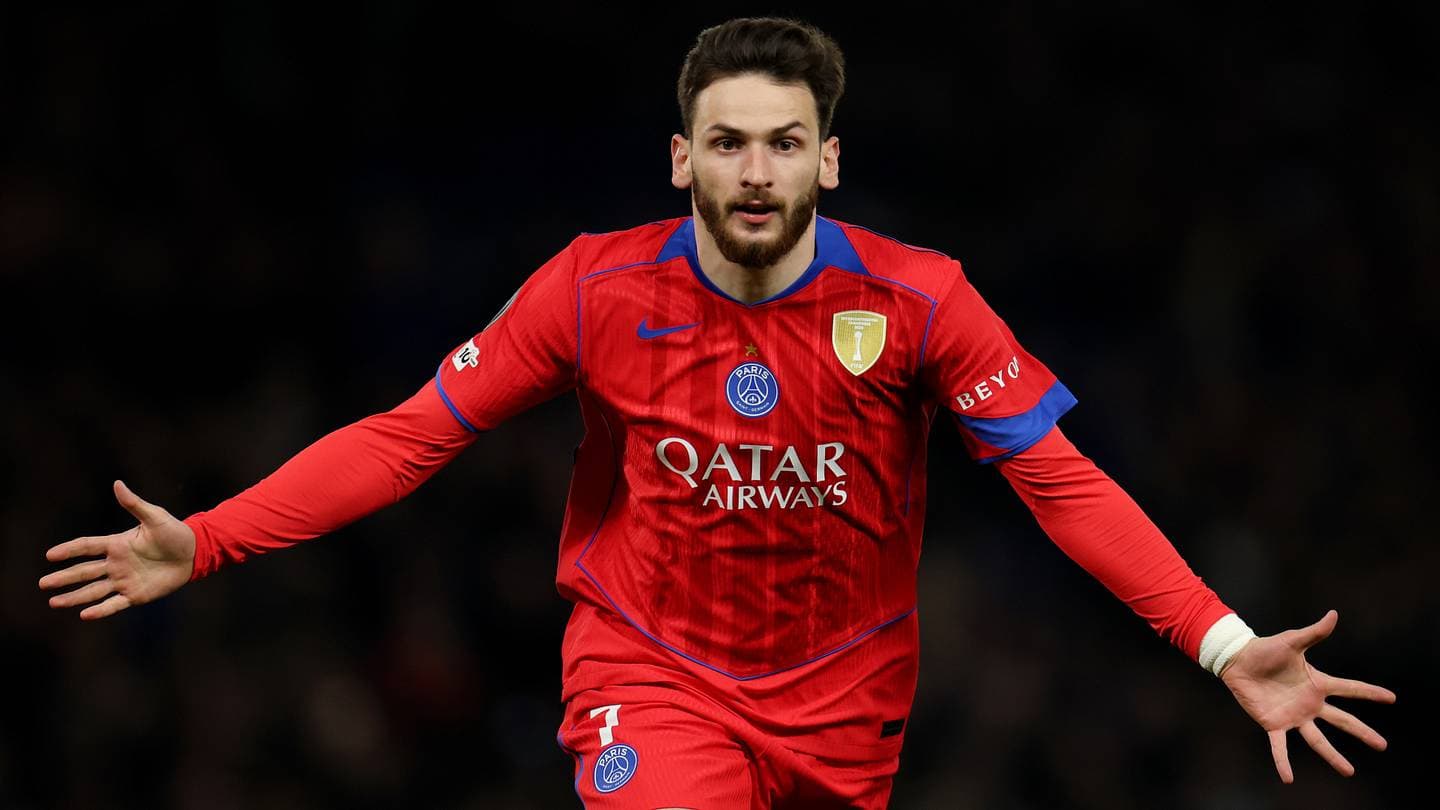
Ferran Torres scored the winning goal, but the success was built over eight matches where Spain imposed their style, minimizing opponents' chances and space.
Building Momentum Through the Tournament
Spain entered the expanded 48-team World Cup as one of the favourites, buoyed by recent international wins under coach Luis de la Fuente. Rather than dominating early, they steadily improved with each stage.
- Group Stage Results:
- Draw 0-0 vs Cabo Verde
- Win 4-0 vs Saudi Arabia
- Win 1-0 vs Uruguay
They finished top of Group H unbeaten. In the knockouts, they beat Austria 3-0, Portugal 1-0, Belgium 2-1, and France 2-0 before facing Argentina in the final.
The path was tough, knocking out football giants one after another without losing sight of their game plan.
Defense: The Backbone of Victory
While Spain’s offense attracted notice, their defense was crucial. They allowed just one goal across eight games and kept seven clean sheets.
Their approach used possession as a defensive tool, controlling midfield to limit counterattacks and applying coordinated pressing to recover the ball swiftly.
- Key Defensive Players:
- Rodri: Shielded the defense with smart positioning.
- Pau Cubarsi: A calm, composed young defender who impressed beyond his years.
- Unai Simon: Goalkeeper who delivered key saves and steady handling.
Purposeful Possession and Tactical Adaptability
Spain held onto their trademark possession style but evolved it. Instead of endless passing, they used possession to set tempo and manipulate opponents, creating space for attacks.
In the final against Argentina, Spain controlled about 65% of possession, completed more passes, and had more shots on target, disrupting Argentina’s rhythm and limiting their threat.
Modernizing Spain’s Football Identity
Luis de la Fuente reshaped Spain’s style, steering away from the older Vicente del Bosque era. His team combined technical skill with quicker transitions and vertical attacking when chances appeared.
He also trusted younger players, which paid off with high energy and fresh talent that had already succeeded in European competitions and the UEFA Nations League.
Emerging Young Stars
- Lamine Yamal: A rising star known for pace, creativity, and beating defenders one-on-one.
- Pedri and Gavi: Provided intelligence and technical flair in midfield.
- Alex Baena: Offered speed and directness from wide positions.
- Pau Cubarsi: Showcased maturity and composure in defense.
Rodri’s Quiet Command
Rodri’s influence was subtle but vital. He protected the backline, recovered balls, dictated play tempo, and linked defense to attack seamlessly. This earned him the Golden Ball as the tournament’s standout player.
Tactical Challenges and Adaptations
Each knockout round brought unique tests: Portugal required patience, Belgium demanded cautious transition management, and France challenged defensive organisation. Against Argentina, Spain stuck to possession control, denying chances until Ferran Torres’ extra-time goal.
Spain’s Tournament Stats
- Record: 7 wins, 1 draw, unbeaten
- Goals scored: 14
- Goals conceded: 1
- Clean sheets: 7
- Highest expected goals (xG) total in tournament
- Strong defensive expected goals against (xGA)
A New Chapter in Spanish Football
This 2026 squad kept the technical brilliance Spain is known for but added flexibility, stronger defense, and varied attack. Their balance set them apart, allowing Spain not just to win but to dominate the World Cup.