.svg&w=384&q=75 "Naijagoal logo")

USA's 4-3-3 vs Belgium's 4-2-3-1: Tactical Analysis
USA’s 4-3-3 against Belgium’s 4-2-3-1 produced a game where structure and efficiency diverged sharply. At Lumen Field, USA controlled more of the ball (56% possession, 527 passes) and circulated it cleanly (458 accurate, 87%), but Belgium’s 4-2-3-1 was calibrated to attack space and punish every structural crack, reflected in a 4-1 scoreline and a clear shooting advantage (15 total shots to 7, with 7 on goal to USA’s 2).
USA's Formation
Mauricio Pochettino’s USA used a classic 4-3-3: Matthew Freese in goal, a back four of Alexander Freeman, Chris Richards, Tim Ream, and Antonee Robinson; a midfield trio of Weston McKennie, Tyler Adams, and Malik Tillman; with Sergiño Dest, Folarin Balogun, and Christian Pulišić as the front three. On paper, this shape should have allowed USA to control central zones and progress via Adams as the pivot and McKennie/Tillman as advanced interiors. In practice, the team’s possession dominance rarely translated into high-quality chances: 7 total shots, only 2 on target, and an xG of just 0.67 underline how often USA’s attacks stalled in front of Belgium’s block.
Belgium's Strategy
Belgium’s 4-2-3-1 under Rudi Garcia was more vertically oriented. Thibaut Courtois started in goal, with Timothy Castagne, Nathan Ngoy, Brandon Mechele, and Maxim De Cuyper across the back. Amadou Onana and Nicolas Raskin formed the double pivot, with Dodi Lukebakio, Youri Tielemans, and Leandro Trossard supporting Charles De Ketelaere as the nominal striker. This structure created clear lanes for transitions: the double pivot screened central zones while Tielemans and Trossard operated between USA’s lines, and De Ketelaere attacked the channels and half-spaces rather than simply playing as a fixed target man.
Belgium’s shot profile shows how well this plan worked: 15 total shots, 10 from inside the box, and 7 on target, backed by an xG of 2.15. They consistently found ways to isolate USA’s center-backs, especially when USA’s full-backs advanced. With USA pushing Robinson and Dest high to support wide overloads, Belgium exploited the space behind them with early vertical passes and quick combinations, particularly involving Raskin and Tielemans. The early 9' goal from C. De Ketelaere set the tone: Belgium were prepared to attack quickly once USA’s rest-defense shape was stretched.
USA's Defensive Struggles
USA’s defensive structure struggled to cope with these patterns. The 4-3-3 press, led by Balogun and the wingers, did not sufficiently disrupt Belgium’s first phase, and once Belgium bypassed the first line, Adams was often left to protect too much space in front of the back four. The fact that Belgium managed 10 shots inside the box indicates repeated penetration through the central and half-space corridors rather than speculative efforts from range.
In goal, Matthew Freese (USA) made 3 saves, but the combination of volume and quality of Belgium’s chances overwhelmed the defensive unit. The goals prevented metric at -0.69 for USA indicates that the team conceded slightly more than the model would expect from the chances faced, underlining that the defensive structure and goalkeeping together underperformed. At the other end, Thibaut Courtois (Belgium) was rarely threatened, needing only 1 save across the 90 minutes, a testament to how effectively Belgium limited USA’s final-third presence and shot quality.
Possession Analysis
In possession, USA’s passing numbers reflect control but not incision. With 527 passes and an 87% completion rate, they circulated the ball reliably, but Belgium’s compact 4-2-3-1 mid-block funneled play into less dangerous zones. USA finished with 5 shots inside the box and 2 from outside, but the low xG suggests these were often under pressure or from poor angles. Belgium’s defensive line, marshalled by Mechele and Ngoy, kept the box well protected, while the full-backs managed USA’s wingers without overcommitting.
Substitutions and Tactical Changes
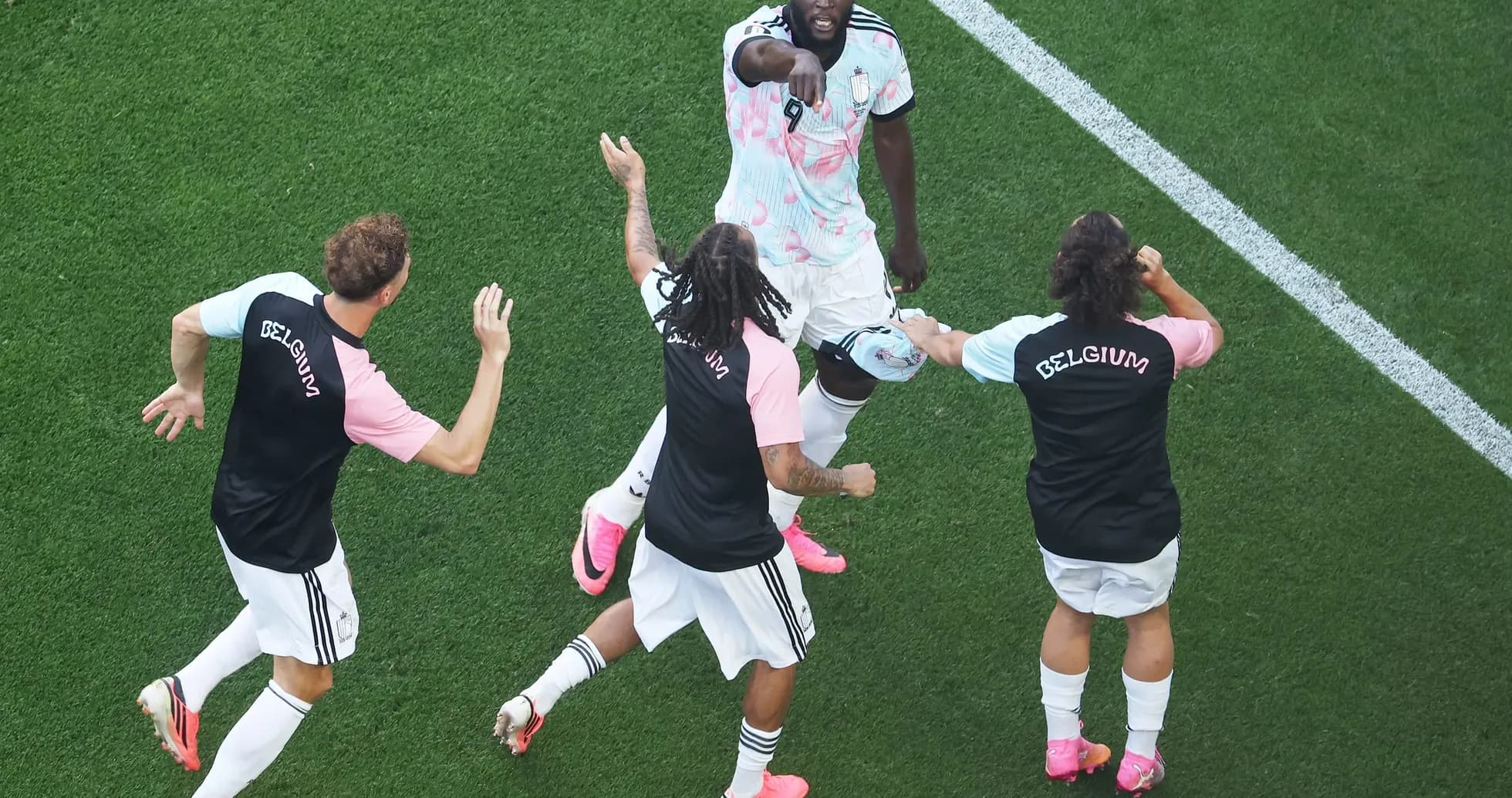
Substitutions subtly reshaped the tactical picture. Belgium’s early change at 21', with Hans Vanaken (IN) coming on for Amadou Onana (OUT), adjusted the double pivot, adding more passing quality and late box runs from deeper areas. This paid off later, with Vanaken becoming a key figure in Belgium’s attacking rhythm. Later changes at 67' and 89' – including Jérémy Doku, Romelu Lukaku, Alexis Saelemaekers, and Axel Witsel – allowed Belgium to refresh both pressing intensity and control, keeping their structure stable while maintaining threat in transition.
For USA, the 46' substitution where Giovanni Reyna (IN) came on for Sergiño Dest (OUT) suggested a shift towards more creative presence between the lines, but it also removed a wide outlet and altered the pressing structure on the right flank. Subsequent changes – Sebastian Berhalter (IN) for Christian Pulišić (OUT) at 59', Ricardo Pepi (IN) for Tyler Adams (OUT) at 72', and late introductions of Haji Wright and Maximilian Arfsten – pointed to a more direct, striker-heavy approach as USA chased the game. However, these moves further weakened the midfield screen, which Belgium exploited to continue generating high-quality chances late on.
Discipline and Fouls
Discipline played a minor but telling role. USA committed 11 fouls to Belgium’s 9 and collected 2 yellow cards, both for “Tripping”, reflecting a side increasingly forced into recovery tackles as Belgium broke lines. Belgium, by contrast, finished without a booking, which aligns with their more controlled defensive performance and effective spacing.
Match Summary
Statistically, the match encapsulates a classic knockout dynamic: the team with more possession and passes (USA) was undone by an opponent (Belgium) who managed space, transitions, and shot quality far better. Belgium’s 4-2-3-1 maximized their attacking talent between the lines and in the box, while USA’s 4-3-3 never fully solved the problem of protecting central spaces when their full-backs advanced. The 4-1 result, combined with a 2.15 vs 0.67 xG split and the disparity in shots on goal (7 vs 2), underlines that Belgium’s tactical plan was not just efficient but decisively superior in both boxes.