.svg&w=384&q=75 "Naijagoal logo")

USA's World Cup Campaign: Dominance Over Paraguay
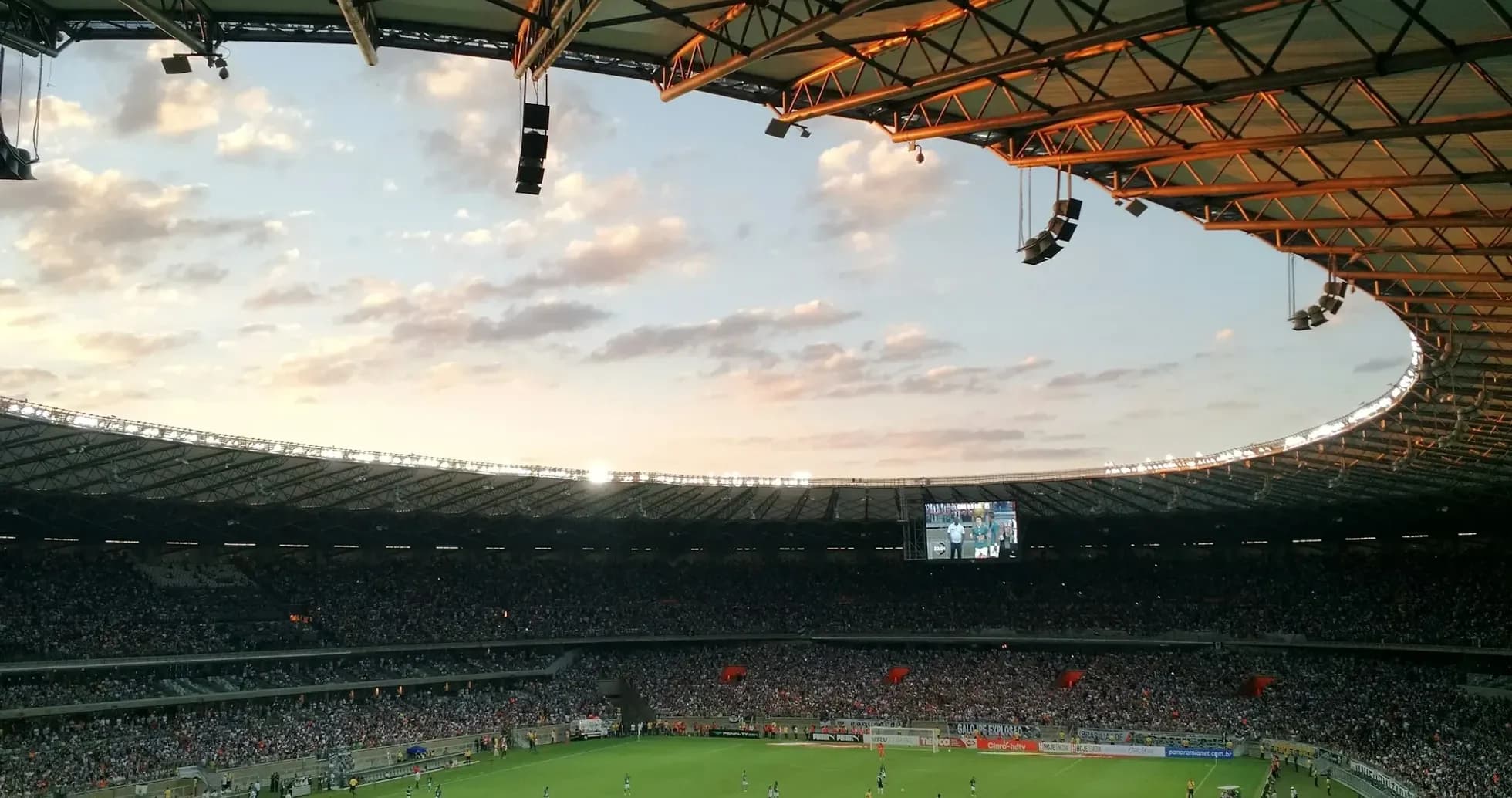
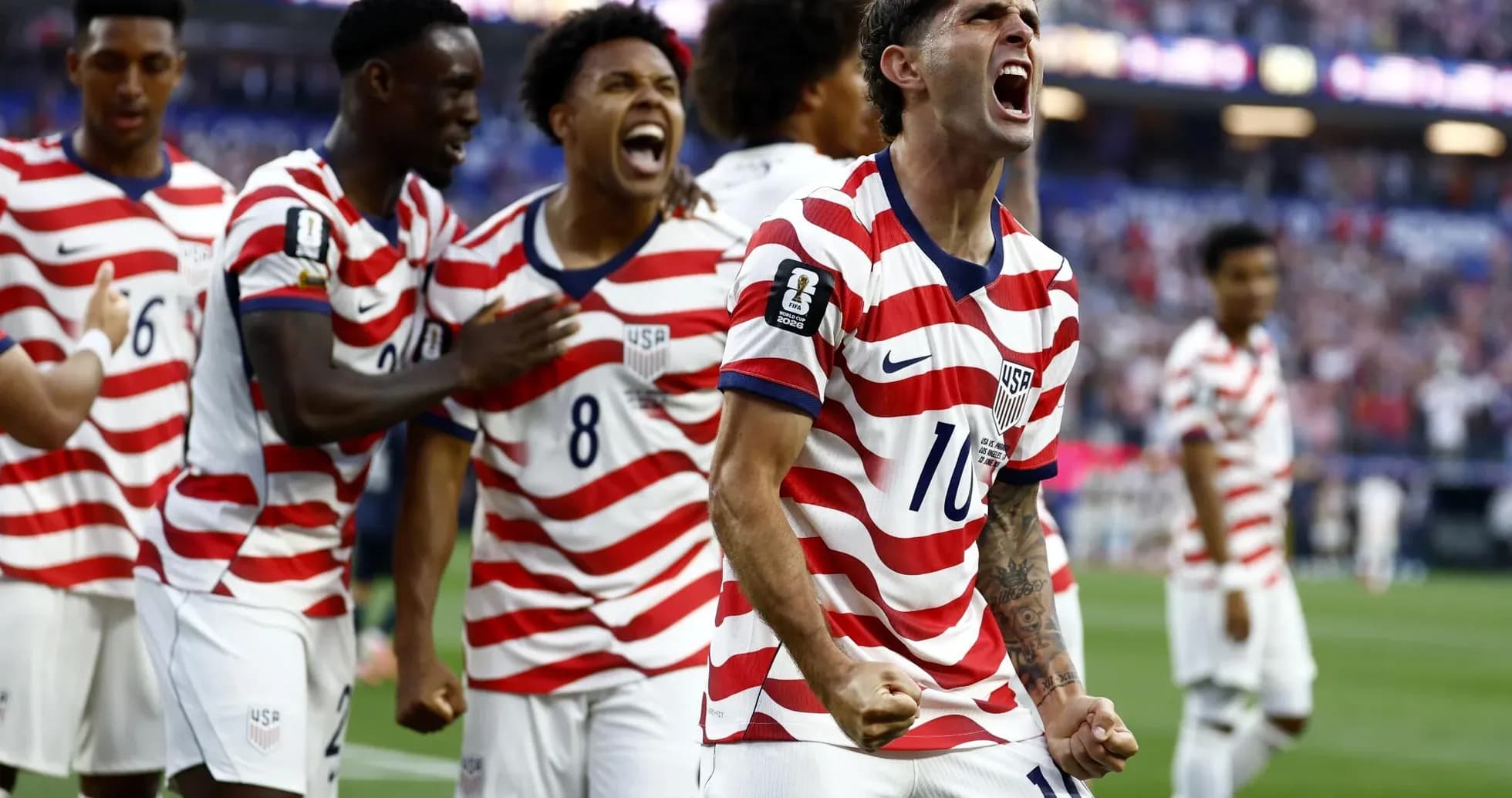
Under the California lights of SoFi Stadium, USA’s World Cup campaign began not with a cautious step but with a statement. A 4-1 win over Paraguay in Group D, sealed within the regular 90 minutes, was more than an opening victory: it was a declaration of a new tactical identity under Mauricio Pochettino, and a warning to the rest of the field.
I. The Big Picture – A Host Finds Its Voice
Heading into this game, USA arrived with all the intangible weight of co-host status but none of the statistical baggage: this was their first home fixture of the World Cup season, and they made it count. The standings now tell a clean story. Following this result, USA sit 1st in Group D with 3 points, a goal difference of +3 (4 goals for, 1 against) from 1 match played. Paraguay, beaten 4-1, are 4th with 0 points and a goal difference of -3 (1 for, 4 against).
The numbers behind the scoreline sketch two very different early-campaign profiles. At home, USA have played 1, won 1, scored 4.0 goals on average and conceded 1.0. There is no clean sheet yet, but there is an attacking fluency: their biggest home win is already this 4-1, and they have not failed to score. Paraguay, on their travels, have played 1, lost 1, scoring 1.0 goal and conceding 4.0. Their biggest away defeat is, inevitably, this same 4-1, and they too have yet to fail to find the net—but their defensive record is brutally exposed.
II. Tactical Voids and Discipline – Where the Edges Frayed
Neither side is flagged with absentees in the data, so the tactical voids here come not from missing personnel but from structural mismatches.
USA lined up in a 4-2-3-1 that looked purpose-built for control. M. Freese in goal sat behind a back four of A. Freeman, C. Richards, T. Ream and A. Robinson. Ahead of them, T. Adams and M. Tillman formed a double pivot, with S. Dest, W. McKennie and C. Pulisic supporting lone striker F. Balogun.
Paraguay’s Gustavo Alfaro countered with a 4-4-2: O. Gill in goal; a defensive line of J. Caceres, G. Gomez, O. Alderete and J. Alonso; a midfield band of D. Gomez, A. Cubas, D. Bobadilla and M. Almiron; and a front two of A. Sanabria and J. Enciso. On paper, it offered width and two outlets up front. In practice, the double pivot of Adams and Tillman repeatedly outnumbered and outmaneuvered Paraguay’s central pair.
Discipline told its own story. USA’s yellow-card profile this season is narrow but sharp: their only caution so far fell in the 46-60 minute window, meaning 100.00% of their cards have arrived just after half-time. It hints at a side that can occasionally overstep when reasserting control after the interval.
Paraguay’s card distribution is more chaotic. Their yellow cards are scattered across the match: 20.00% in 0-15 minutes, another 20.00% in 46-60, a late-game surge of 40.00% between 76-90, and 20.00% in 91-105. Even in a single fixture, that profile suggests a team that begins on edge, struggles to adjust to the game’s tempo, and then unravels as fatigue and frustration set in. Players like A. Arce, J. Caceres and M. Almiron, each booked once, embody that fraying discipline.
III. Key Matchups – Hunter vs Shield, Engine Room vs Enforcer
The headline duel was clear: the Hunter was F. Balogun, the Shield was a Paraguayan defense that, on their travels, now concedes 4.0 goals per match.
Balogun’s World Cup so far is brutally efficient. In total this campaign, he has 2 goals from 4 shots (3 on target), a 9.2 rating across 72 minutes, and has drawn 4 fouls. He did not need penalties—he has scored 0 and missed 0—but his movement and timing ripped open Paraguay’s back line. Against a defense whose away average is 4.0 goals against, Balogun’s presence felt almost inevitable: he was the spear at the tip of a system designed to isolate and exploit Paraguay’s central defenders.
Behind him, the creative triangle of Pulisic, McKennie and Tillman orchestrated the damage. Pulisic, in just 45 minutes, delivered 1 assist, 22 passes at 81% accuracy, 2 key passes and 3 successful dribbles from 5 attempts. He sits among the top assisters in the competition with 1 assist in total, and his role as both ball-carrier and chance-creator bent Paraguay’s defensive block out of shape.
Tillman, operating deeper, was the quiet engine: 38 passes at 78% accuracy, 3 key passes, 5 dribble attempts with 2 successful, and 4 fouls drawn. His 18 duels, with 7 won, show how he continually engaged Paraguay’s midfield, denying them any stable platform.
For Paraguay, the counterweights were M. Almiron and J. Enciso. Almiron’s 23 passes at 78% accuracy, 2 key passes and 2 successful dribbles hinted at a player capable of threading transitions through USA’s press. Enciso, with 25 passes at 80% accuracy, 1 assist and 2 successful dribbles from 4 attempts, fought to keep Paraguay’s front line connected. Yet their efforts were too often isolated, forced to run into the USA double pivot and the composed back four.
The “Engine Room vs Enforcer” battle tilted decisively in USA’s favor. A. Cubas and D. Bobadilla could not consistently disrupt Adams and Tillman; Paraguay’s central screen was breached too easily, exposing G. Gomez and O. Alderete to direct runs from Balogun and late arrivals from midfield.
IV. Statistical Prognosis – A Blueprint Emerging
Following this result, USA’s statistical profile is that of a front-foot contender: 1 win from 1, 4.0 goals for per match, 1.0 against, no clean sheets but no attacking blanks, and a settled 4-2-3-1 used in 100% of their fixtures. The spine—Freese, Ream, Adams, Tillman, Balogun—is clearly defined, and the bench options like G. Reyna, who has 1 goal from 1 shot and an 8-pass cameo at 100% accuracy, offer late-game quality.
Paraguay’s prognosis is more fragile. On their travels they score 1.0 but concede 4.0, have no clean sheets, and their disciplinary pattern—especially the 40.00% of yellows arriving between 76-90 minutes—suggests they struggle to stay composed when chasing games. There are bright sparks: Mauricio, with 1 goal from midfield and a 7.5 rating in 54 minutes, and Enciso’s blend of industry and creativity. But the structure around them must tighten.
In pure Expected Goals terms, the underlying story would likely mirror the raw scoreline: USA generating multiple high-quality chances through coordinated pressing and vertical runs, Paraguay reliant on moments rather than sustained pressure. The defensive solidity metric is simple but stark: USA’s goal difference of +3 (4 scored, 1 conceded) versus Paraguay’s -3 (1 scored, 4 conceded) after one match is not an accident of variance; it reflects the tactical coherence of one side and the systemic strain on the other.
As the group stage narrative unfolds, this night at SoFi Stadium will be remembered as the moment USA’s squad identity crystallized on the biggest stage—Balogun as the ruthless Hunter, Pulisic and Tillman as the creative fuse, and a collective structure that, for now, looks built to last.