.svg&w=384&q=75 "Naijagoal logo")

Spain and Cape Verde Islands Draw in World Cup 2026 Opener
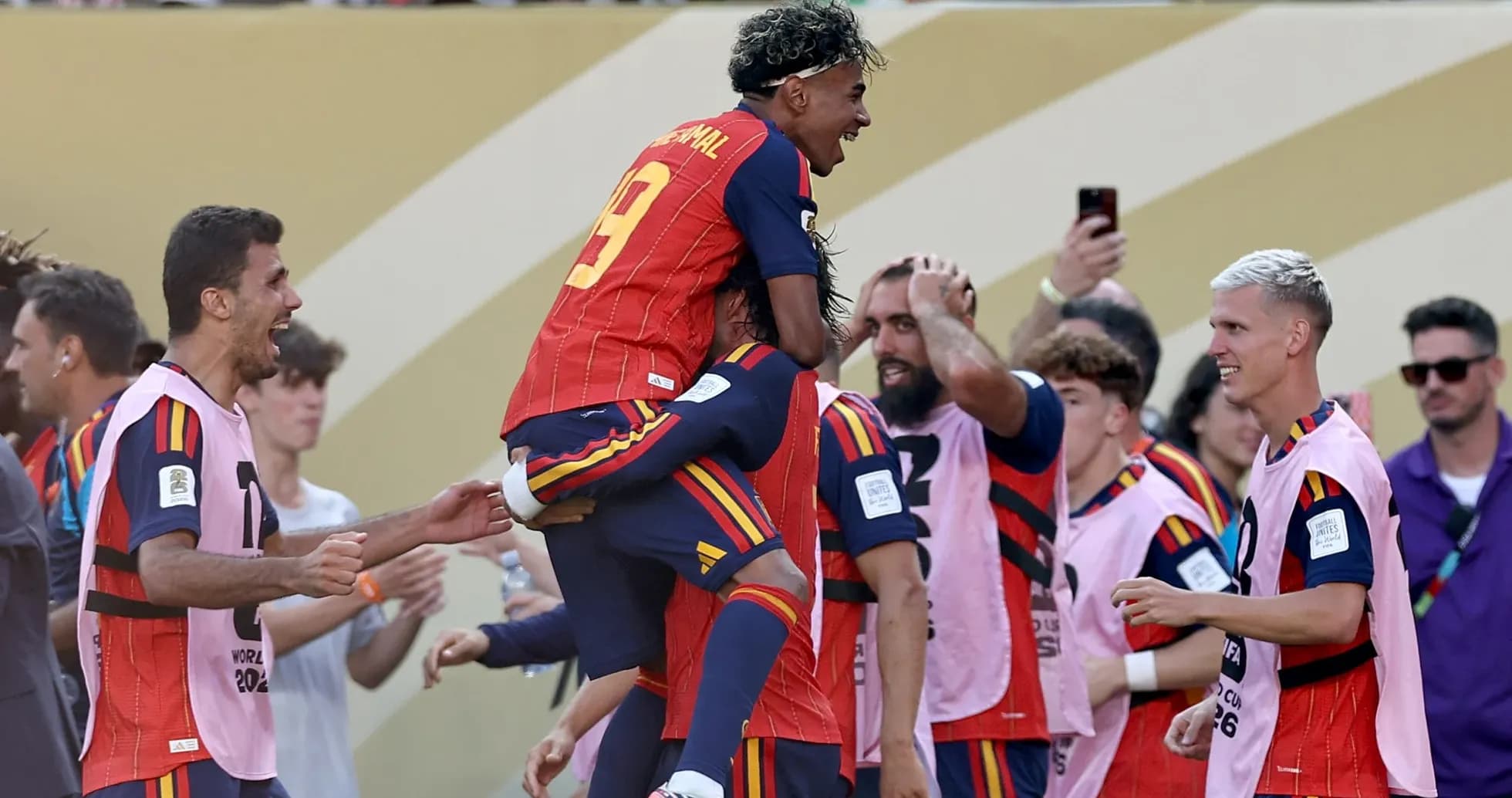
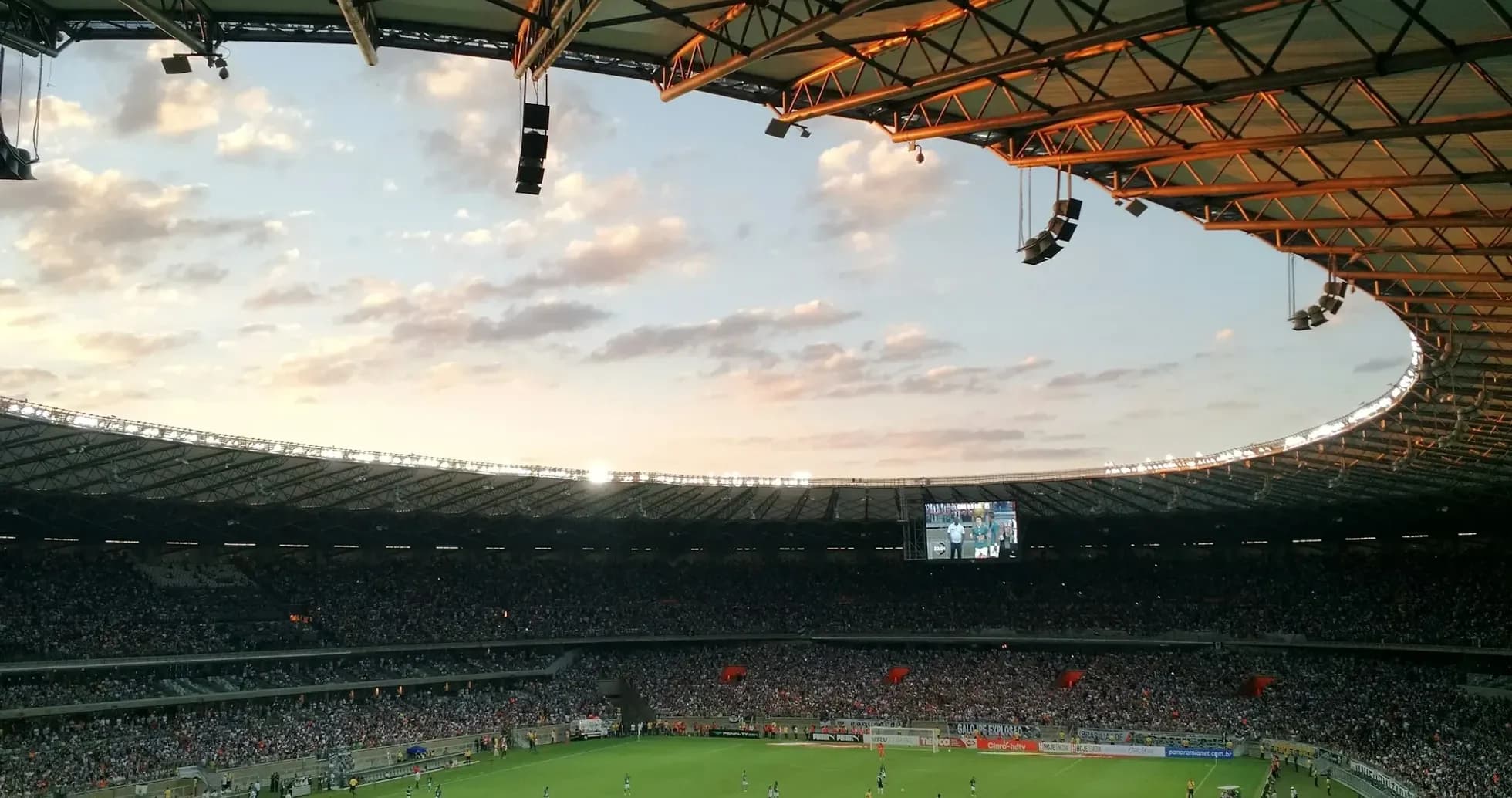
Under the closed roof of Mercedes-Benz Stadium, Spain and Cape Verde Islands opened their World Cup 2026 journey with a goalless draw that said more about structure and restraint than it did about cutting edge. Following this result, both sides leave Group H level on 1 point, Spain sitting 3rd and Cape Verde Islands 4th, each with a goal difference of 0 after 1 match played and no goals scored or conceded overall.
I. The Big Picture – Two Blueprints, One Stalemate
Spain arrived as the heavyweight, and their season statistics underline that sense of control. Heading into this game, they had played 1 fixture in total, at home, drawing it, keeping a clean sheet but also failing to score. Their average goals for and against at home both stood at 0.0, a statistical portrait of dominance without incision.
Luis de la Fuente doubled down on identity: a 4-3-3, with U. Simon behind a back four of M. Llorente, P. Cubarsi, A. Laporte and M. Cucurella, Rodri anchoring a midfield triangle with F. Ruiz and Pedri, and a fluid front three of F. Torres, M. Oyarzabal and Gavi. It is a structure built for territorial suffocation: width from the full-backs, possession security through Rodri, and between-the-lines craft from Pedri and Oyarzabal.
Cape Verde Islands, by contrast, came as the disruptor. Their seasonal numbers mirrored Spain’s in one key respect: 1 match played in total, 1 draw, 0 goals for, 0 against, and an away average of 0.0 goals both scored and conceded. Pedro Leitao Brito’s 4-1-4-1 was pragmatic and disciplined: Vozinha in goal; a back four of S. Moreira, R. Lopes, D. Borges and S. Lopes Cabral; K. Lenini screening; and a hard-working line of four—R. Mendes, L. Duarte, J. Monteiro, J. Cabral—behind lone forward D. Livramento.
The result was a tactical chess match: Spain’s methodical possession against Cape Verde Islands’ compact mid-block and counter-punching intentions.
II. Tactical Voids and Disciplinary Edges
There were no officially listed absences, so both coaches had their full squads at their disposal. The voids, instead, were conceptual: Spain’s lack of a true penalty-box reference point and Cape Verde Islands’ limited numbers in transition.
Spain’s season card profile hinted at a curious discipline pattern. Heading into this game, their only recorded yellow card had come in the 91-105 minute window, a late-game flash of frustration rather than persistent ill-discipline. Cape Verde Islands, meanwhile, showed their own edge early: 100.00% of their yellows so far had arrived between 16-30 minutes, suggesting an aggressive opening phase where they set the physical tone.
On the pitch, that mapped neatly. Spain’s control invited Cape Verde Islands to foul high enough to disrupt rhythm but deep enough to protect the back line. The presence of S. Lopes Cabral at left-back was emblematic: across his World Cup minutes he has committed 1 foul, drawn 2, and already sits on 1 yellow card, a defender walking the line between assertiveness and risk. Yet his tackling numbers—2 tackles and multiple interceptions—show a defender whose aggression is largely calculated.
III. Key Matchups – Hunter vs Shield, Engine vs Enforcer
The “Hunter vs Shield” duel was more collective than individual. With no goals scored overall by either side, there is no statistical top scorer to spotlight; instead, Spain’s attacking trident operated as a rotating threat against a Cape Verde Islands defence that, heading into this game, had preserved a clean sheet away from home.
F. Torres, starting wide, looked to stretch S. Lopes Cabral, whose profile is that of a modern, proactive full-back: 17 passes with 82% accuracy, 1 key pass, and 1 successful dribble underline his comfort in possession. Yet his primary task here was containment. Every time Torres or Gavi drifted inside, S. Lopes Cabral had to choose between tucking in to protect the half-space or holding the touchline to deny the switch—decisions made under constant Spanish circulation.
Central to Cape Verde Islands’ “shield” was the partnership of R. Lopes and D. Borges. With Spain’s total goals for at 0 and goals against also at 0, this was a defence that had not yet been broken in the tournament, and they defended the box with a simplicity that frustrated Spain: narrow distances, clear first contacts, and a refusal to over-commit to pressing Rodri.
The true “Engine Room” confrontation, though, lay between Rodri and K. Lenini. Rodri, Spain’s metronome, sat in front of P. Cubarsi and A. Laporte, dictating tempo and recycling possession. His job was twofold: prevent Cape Verde Islands from springing D. Livramento in transition, and feed Pedri and F. Ruiz between the lines.
K. Lenini, by contrast, was Cape Verde Islands’ enforcer. Stationed as the lone pivot in the 4-1-4-1, he had to read the spaces that Pedri and Gavi constantly tried to exploit. Each time Spain’s front five rotated, Lenini’s positioning either broke their rhythm or opened a seam. His discipline in screening passing lanes to J. Monteiro and J. Cabral also gave Cape Verde Islands a launchpad when they did recover the ball.
On the flanks, M. Cucurella’s surges from left-back tested R. Mendes and S. Moreira’s capacity to shuffle across. Spain’s 4-3-3 often morphed into a 3-2-5 in possession, with Llorente tucking in, Cucurella pushing high, and Gavi occupying the left half-space. Cape Verde Islands responded by dropping their wide midfielders into a flat five without the ball, compressing the zones where Spain usually carve opponents apart.
IV. Statistical Prognosis – A Cagey Group H Pathway
From a statistical standpoint, both sides remain enigmas. Heading into this game, Spain’s total goals for and against stood at 0, with a total goals-for average of 0.0 and goals-against average of 0.0. Cape Verde Islands mirrored that exactly away from home. Clean sheets for both (Spain with 1 in total, Cape Verde Islands with 1 away and 1 in total) suggest that their defensive structures are functioning, even if the opposition quality and game states have yet to fully stretch them.
Disciplinary trends may quietly shape their group trajectory. Spain’s late yellow-card spike (100.00% of their yellows in the 91-105 minute window) hints at frustration in closing stages when control does not translate into goals. Cape Verde Islands’ early-booking pattern (100.00% of their yellows between 16-30 minutes) suggests they front-load their physicality; managing that edge will be crucial as fatigue and fixture congestion build.
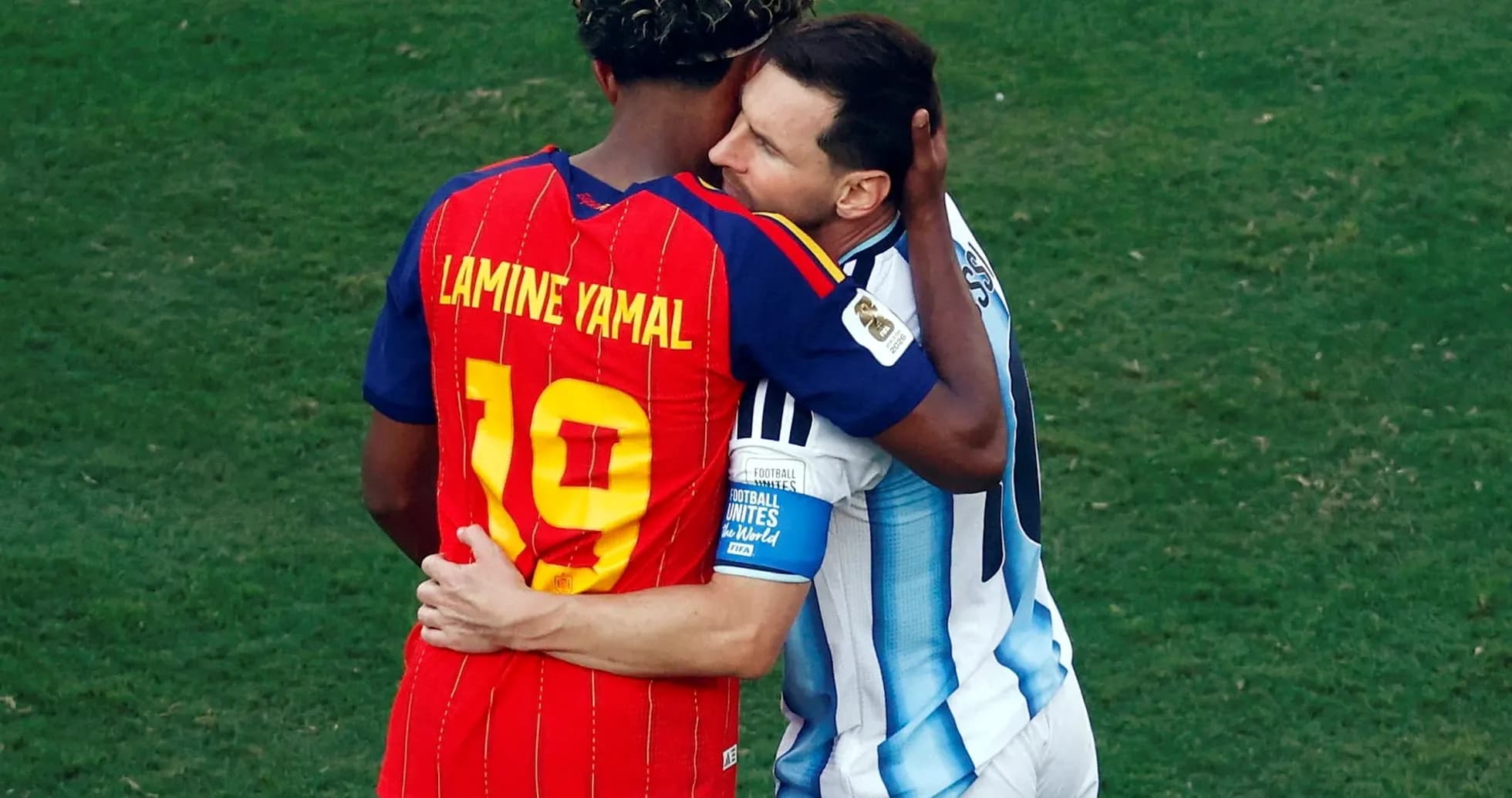
Without xG data, the prognosis leans on structure rather than finishing. Spain’s 4-3-3, with its possession dominance and clean-sheet foundation, still profiles as a side more likely to generate higher xG in future matches—especially if De la Fuente taps into bench options like Lamine Yamal, N. Williams or D. Olmo to add unpredictability between the lines and in 1v1s.
Cape Verde Islands, with their 4-1-4-1 and disciplined defensive metrics, project as a low-event, low-xG team: hard to break down, but also reliant on efficiency from D. Livramento and impact substitutes such as G. Rodrigues or Benchimol. Their path through Group H will likely hinge on narrow margins—a single set piece, a transition, a moment of composure in the box.
Following this result, the narrative is clear: Spain remain the territorial giants seeking a cutting edge; Cape Verde Islands are the organised underdogs whose defensive solidity gives them a puncher’s chance. The numbers say neither side has blinked yet. The next fixtures will reveal who dares to open up first.