.svg&w=384&q=75 "Naijagoal logo")

How Premier League Clubs Are Circumventing the New Ban on Gambling Sponsors
Betting Sponsors Shift from Shirt Fronts to Other Spots
The Premier League has banned betting companies from appearing as front-of-shirt sponsors this season after a collective agreement made years ago. Yet clubs like Manchester United and Tottenham Hotspur have found ways to keep gambling adverts highly visible, exploiting loopholes in the new rules.
A Partial Ban with Many Votes Against
The decision to remove gambling sponsorship from the front of matchday shirts was agreed back in 2023 but had little support from the clubs themselves, with 18 out of 20 opposing a full ban. The move was part of consultations involving the Premier League, its clubs, and the government’s Department for Culture, Media and Sport (DCMS), aiming to reduce gambling advertising in football.
This agreement took effect in the 2026-27 season, giving teams time to adjust their sponsorships. However, research showed that in the previous two seasons, 11 Premier League clubs still carried gambling brands as their primary sponsors, worth an estimated £104 million combined in 2024-25.
History of Gambling Sponsorship in English Football
The rise of betting companies in football began after the 2005 Gambling Act liberalized advertising rules. Tottenham led the way with a deal signed in 2006 with online casino Mansion, while other clubs like Middlesbrough were already partnered with gambling firms such as 888. By 2019, over half of the Premier League and Championship clubs displayed betting logos on their kits.
The Ban’s Limited Impact on Visibility
Despite the ban on front shirt ads, gambling adverts remain omnipresent during matches. Stadium hoardings, training kits, pre-match wear, and digital broadcasts continue to feature betting brands heavily. For example, betting firms sponsor the Premier League’s TV coverage on Sky Sports and TNT, and Sky Bet supports all three Football League divisions.
This persistence makes the ban feel more symbolic than effective. Critics argue the financial benefits are too great for clubs to give up, meaning gambling advertising remains a major presence across football.
“Removing shirt-front logos is already just a gesture. The only real solution is for the government to step in and end all gambling advertising in football,” said Nick Harvey of the Coalition to End Gambling Ads.
Exploiting Loopholes: Sleeve and Training Kit Deals
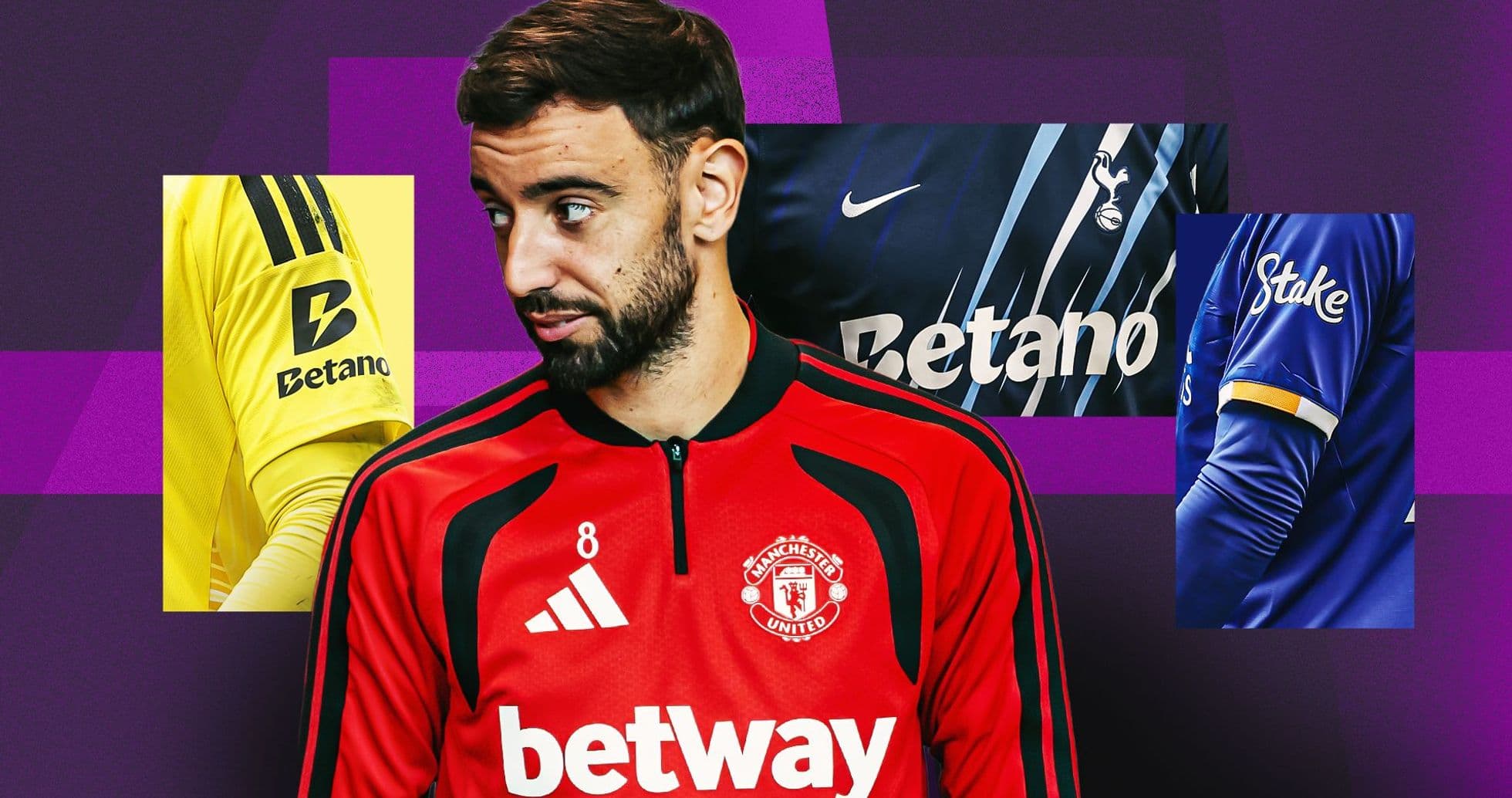
One clear loophole is the allowance of gambling sponsors on sleeve patches, training kits, and pre-match apparel. Manchester United signed a record £20 million per year training kit deal with Betway, which is reportedly the biggest such deal in Betway’s sporting portfolio. The logo appears on men’s and women’s training gear and around matchdays at Old Trafford and the stadium of their women’s team.
Tottenham also signed a deal with Betano, featuring the betting brand on training and pre-match clothing. Meanwhile, clubs like Everton and Aston Villa moved gambling sponsors from shirt fronts to sleeves, making them among six Premier League teams displaying betting logos on sleeves this season.
These deals ensure that fans, including young viewers, see gambling adverts regularly—not just during games but also via social media content and club videos.
Government Crackdown on Unlicensed Operators
The DCMS is focusing on unlicensed gambling companies sponsoring Premier League clubs. Around half of the teams reportedly partner with firms not licensed in the UK, including Stake.com (Everton), SBOTOP (Fulham), and 8XBet, many targeting Asian markets.
The government wants to make these sponsorships illegal starting next year, aiming to protect consumers through regulation, including vulnerability checks and spending limits. The Premier League opposes this ban, arguing some services are not officially offered in the UK.
A DCMS spokesperson stated, “We welcome the Premier League’s voluntary ban on front shirt gambling sponsorship, but are concerned unlicensed operators can still promote themselves in British sport.”
The Big Step Campaign and Personal Stories
The Big Step campaign, driven by people affected by gambling harm, has pushed to end gambling advertising in football for seven years. Led by James Grimes, a recovering addict and director of a national gambling harm prevention program, the campaign highlights the connection between football and gambling addiction.
Grimes explained, “The relationship between gambling and football was my route in because the industry promoted something that later harmed me deeply. Even in recovery, I struggled to watch football due to the amount of gambling adverts.”
He criticized clubs exploiting sponsorship loopholes, saying it prioritizes profit over public health and pushes more people, especially youth, towards gambling harm.
Contradictions Within Football
Some Premier League players have faced bans for betting offences linked to addiction. Former Brentford striker Ivan Toney received an eight-month ban after 232 betting breaches, and Tottenham’s Sandro Tonali was suspended for 10 months in Italy for similar issues.
Ironically, Tonali now wears training gear advertising Betano, the same gambling company sponsoring Tottenham’s pre-match wear. This contradiction has been highlighted by The Big Step, noting the oddity of players promoting products linked to their own struggles.
Grimes remarked, “It sums up the contradiction: players with gambling problems forced to advertise what hurt them.”
Small Progress, Big Challenges Ahead
Though removing front-of-shirt gambling sponsors marks progress, Grimes sees it as insufficient given the volume of gambling advertising still present in football. He believes the sport’s leaders prioritize revenue over fan welfare but takes pride in The Big Step’s role in pushing change.
“Football knows gambling harms many, yet often puts profits first. Still, our lived-experience-led efforts got the Premier League to act, even if more work remains,” Grimes said.