.svg&w=384&q=75 "Naijagoal logo")


Ikorodu City Makes Tactical Statement with 2–0 Win Over Enugu Rangers
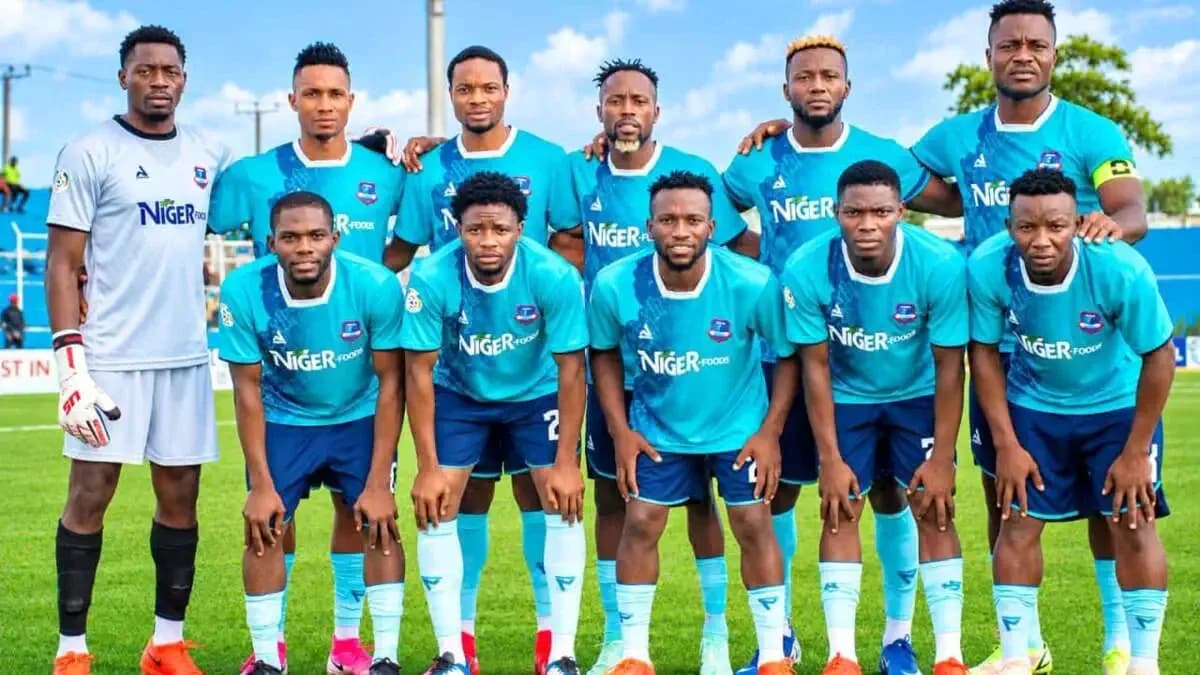
On a heavy Lagos afternoon at Mobolaji Johnson Arena, Ikorodu City’s 2–0 win over Enugu Rangers felt less like an early‑season upset and more like a tactical statement. In a Regular Season - 6 fixture of the NPFL 2027 campaign, the hosts leaned into a growing home identity, while a usually assertive Rangers side discovered the limits of their away‑day bravado.
I. The Big Picture – Two Rising Profiles, One Clear Direction
Heading into this game, both sides had started the season brightly. Ikorodu City sat 8th with 8 points from 5 matches, their overall goal difference at +3, built on 8 goals scored and 5 conceded. At home, they had been close to flawless: 3 matches, 2 wins, 1 draw, 5 goals for and just 1 against. Their season averages underline that steel: 1.7 goals scored at home per match against only 0.3 conceded.
Enugu Rangers arrived as one of the early pacesetters. Fourth in the table with 10 points from 5 games, they carried a +2 overall goal difference, scoring 8 and conceding 6. On their travels, they had been bold and open: 2 away matches, 1 win and 1 defeat, with 4 goals scored and 4 conceded. An away scoring average of 2.0 per game and an away defensive average of 2.0 hinted at a team that plays on the edge, trusting their front line to outgun the damage taken behind.
The final scoreline – 2–0 to Ikorodu City after a 1–0 half‑time lead – therefore slots neatly into the broader seasonal DNA: Ikorodu making home a fortress, Rangers discovering that their high‑risk away profile can be punished by a compact, disciplined host.
II. Tactical Voids and Discipline – Edges in the Margins
There were no listed absentees for either side, which meant both coaches could lean into their preferred core personnel. For Enugu Rangers, Ilechukwu Fidelis had his full attacking palette available, from the central presence of K. J. Akugre and J. Emo to the creative touches of F. Temitope and the industry of W. Ebirim.
Ikorodu City, without a named coach in the data, still presented a settled spine. The starting group of M. Atata, E. Ujunwa, F. Ganiyu, A. Adeoye and K. Peter formed the structural base, with the likes of M. Freedom, A. Tomiwa and F. Salami providing the connective tissue between defence and attack. Up top, the presence of D. Mse and E. Ikechukwu offered vertical threat and penalty‑box presence.
From a disciplinary standpoint, the underlying season numbers painted contrasting rhythms. Ikorodu City’s yellow cards before this match were clustered in the 31–45, 61–75 and 76–90 windows, with 33.33% of their cautions coming between 61–75 and another 33.33% between 76–90. This suggested a side that grows more combative as matches stretch and fatigue bites, but crucially without tipping into red cards at any point in the campaign.
Enugu Rangers, by contrast, spread their cautions more evenly. They had yellow cards in every main segment from 0–15 through 91–105, each holding 20.00% of their bookings. That pattern points to a team that plays on the front foot from the first whistle, willing to commit early tactical fouls to sustain pressure or prevent counters. Yet, like Ikorodu, they had avoided reds, indicating aggression tempered by control.
In a match where Ikorodu led from the first half and tightened the screw after the break, that late‑game combative streak would have suited them: the hosts could lean into duels and game management without the looming risk of dismissals.
III. Key Matchups – Hunter vs Shield, Engine Room vs Enforcer
Without explicit individual scoring data, the “Hunter vs Shield” storyline becomes structural rather than personal: Rangers’ away attack versus Ikorodu’s home defence.
On their travels, Rangers’ 2.0 goals per match had been a defining strength. The front line of K. J. Akugre and J. Emo, supported by F. Temitope and the late surges of A. Falolu, is built to stretch back lines, attack space and force transitional chaos. Yet they ran into an Ikorodu City defence that had conceded only 1 goal at home all season before this match, and just 5 overall. The hosts’ home defensive average of 0.3 goals conceded per game told the story before kick‑off; the clean sheet at full time underlined it.
The “Engine Room” duel was fought between the central profiles. For Rangers, W. Ebirim and U. Ejike are the carriers of tempo, the ones tasked with linking Ilechukwu Fidelis’ attacking intent to defensive balance. They needed to impose themselves on Ikorodu’s middle band of M. Freedom, A. Tomiwa and F. Salami.
Instead, the pattern of the scoreline – Ikorodu ahead at half time and stretching to 2–0 by full time – suggests that the home midfield won the territory war. With the ball, they could feed A. Adeoye and the advanced pair of D. Mse and E. Ikechukwu. Without it, they could collapse into a compact shell that forced Rangers into lower‑percentage shots and wide deliveries rather than the direct central combinations they favour.
On the flanks, players like K. Igboke for Rangers and K. Peter for Ikorodu represented competing interpretations of width: one looking to push high and overload, the other tasked with tracking runners and springing counters. Over 90 minutes, Ikorodu’s wide players clearly executed their defensive responsibilities more cleanly, denying Rangers the kind of open‑field exchanges that had fuelled their earlier away success.
IV. Statistical Prognosis – What This Result Tells Us
Following this result, the underlying numbers that framed the contest will tilt even further toward Ikorodu City’s home authority and Rangers’ away volatility. Ikorodu’s clean sheet adds to a record that was already impressive: 2 previous home clean sheets in 3 matches and only 1 home goal conceded. Their overall defensive average of 1.0 goals against per game will now dip, while their total scoring average of 1.6 will hold or rise with the two goals added.
For Enugu Rangers, the defeat will reinforce the sense that their away approach is a double‑edged sword. They came into Lagos with a total of 8 goals scored and 6 conceded overall, and an away profile of 4 scored and 4 conceded. The 2–0 loss pushes that defensive average in the wrong direction and exposes how a side built on front‑foot initiative can struggle when forced to chase a game against a side that is structurally secure at home.
From an xG‑style perspective, even without explicit values, the season patterns are clear. Ikorodu City are trending toward a team that slightly outperforms opponents in tight, low‑concession matches, especially at home. Rangers are trending toward high‑variance encounters, where their attacking output must consistently hit above their defensive leakiness.
The tactical verdict, then, is straightforward. Ikorodu City’s disciplined block, anchored by a settled XI featuring the likes of M. Atata, F. Ganiyu and E. Ujunwa, is becoming one of the more reliable home platforms in the NPFL. Enugu Rangers remain dangerous, particularly when allowed to trade punches, but in Lagos they found a host unwilling to open the ring.
Over a long season, that difference in defensive solidity – especially in home fixtures – may prove decisive in determining who merely entertains and who quietly climbs the table.