.svg&w=384&q=75 "Naijagoal logo")

Nicolas Pépé Shines in Ivory Coast's Historic World Cup Qualification
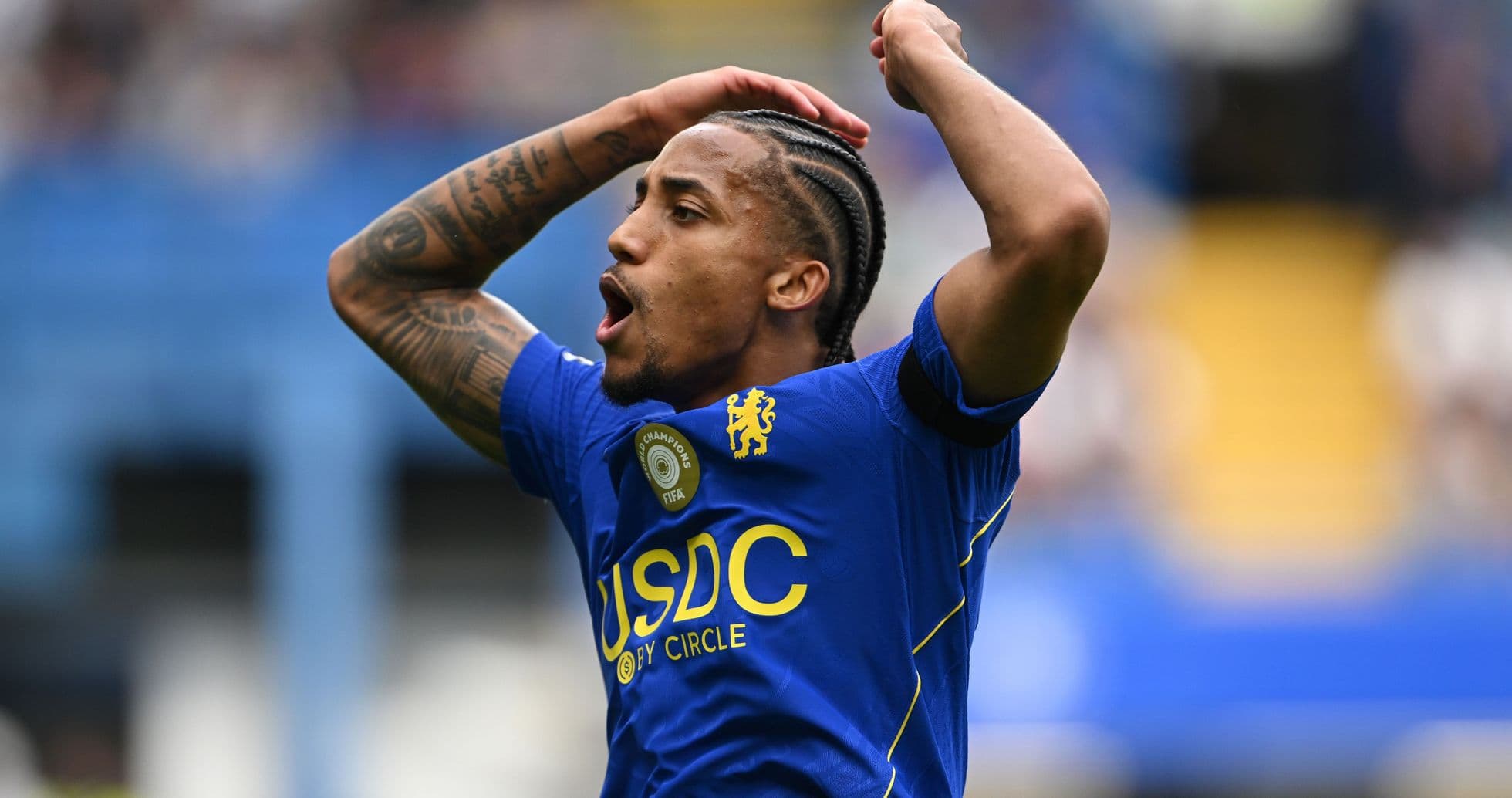
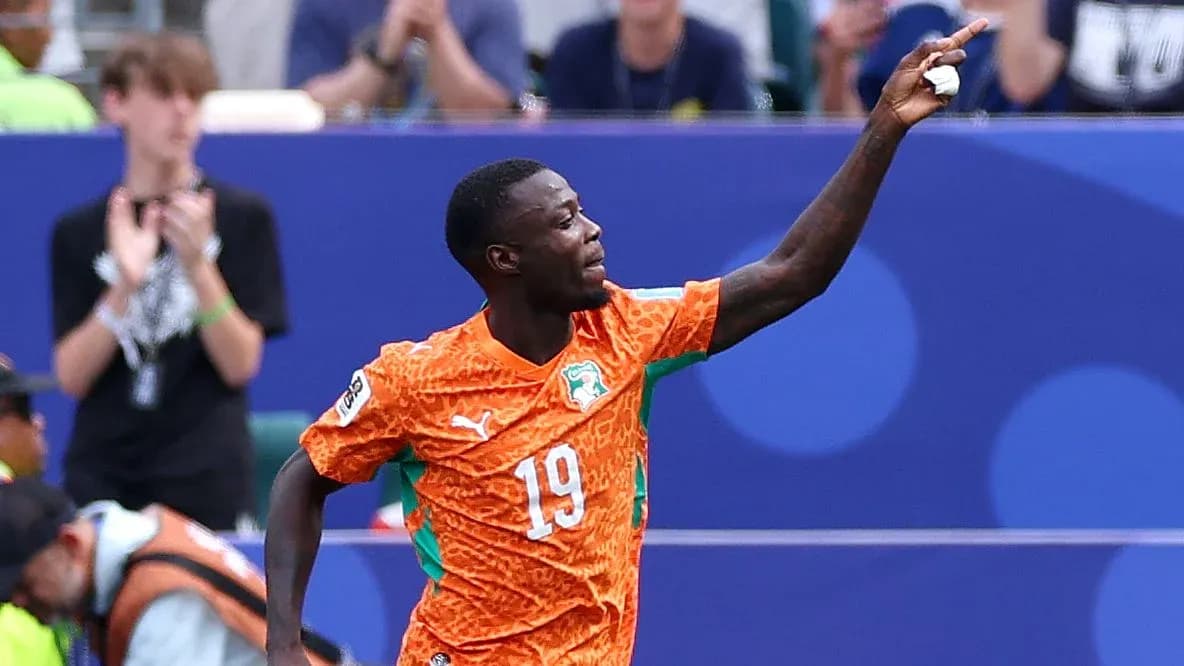
Nicolas Pépé walked back into the spotlight in Philadelphia as if he had never left it.
Seven months ago, he was watching Ivory Coast from afar, omitted from the Africa Cup of Nations squad and seemingly drifting out of the national-team picture. Here, under the bright lights of a World Cup group decider, he became the face of a new Ivorian era.
Pépé’s redemption, delivered in two strikes
It took him seven minutes.
A loose Curacao touch, hesitation at the back, and suddenly Yan Diomande pounced. One sharp pass, one calm finish. Pépé glided onto the ball and rolled it home, side-footed and precise, as if this stage had always been waiting for him to return. The Elephants had their early lead; their forgotten winger had his reintroduction.
From there, Ivory Coast controlled the tempo. Not always dazzling, not always ruthless, but assured. Confident. A team that knew exactly what was at stake.
The second act of Pépé’s night came on 65 minutes. This time there was no charity from Curacao, no defensive gift. Just that familiar left foot. Cutting in, opening his body, and whipping a vicious strike into the top corner. Vintage Pépé. The kind of goal that once made him one of Europe’s most coveted wide forwards, and the kind that explains why Emerse Faé dragged him back from the international wilderness after his resurgence with Villarreal.
Two chances, two finishes, one statement: the difficult end to his Arsenal career now belongs firmly in the past.
History, at last, for the Elephants
The scoreboard read 2-0, but the real weight of the night lay in the table.
Ivory Coast, long burdened by the ghosts of a so‑called Golden Generation, finally stepped through a door that had slammed on them three times before. In 2006, 2010 and 2014, even with Didier Drogba and Yaya Touré in their ranks, they never made it past the group stage. They were admired, feared, talked up. Then they went home early.
Not this time.
Second place in Group E, six points on the board, and a place in the round of 32. It is more than a statistic; it is a psychological release for a footballing nation that has waited too long for its World Cup story to truly begin.
Faé understood the moment. His message was as much for the streets of Abidjan as for the press room.
“Enjoy this historic qualification, celebrate it,” he said, urging fans to revel in the breakthrough while reminding them the journey is far from over. He acknowledged the imperfections, but he clung to the clean sheet. Not conceding, he insisted, mattered for the team’s morale. Victories like this, he knows, are fuel.
A squad growing into the stage
For all the attention on Pépé, Faé refused to turn the night into a one-man show.
“This group is growing,” he said. “They are all at their first World Cup but they are growing well – it is a team that sticks together.”
You can see it in the way they play and in the way they behave. Players fighting for the same position, still laughing together, still locked in the same huddle. The coach called it “healthy competition”. It looks like something more: a squad that has decided to share the burden history placed on their shoulders.
On the pitch, that togetherness translated into control and, crucially, efficiency. Ivory Coast were not relentless, but they were clinical. Curacao, full of heart and ambition, mustered only two shots on target. When they did break through, Yassin Fofana stood firm, a quiet but vital presence behind an increasingly confident back line.
Curacao bow out, but not quietly
Curacao leave the tournament, but not as a footnote.
The smallest nation by population ever to qualify for a World Cup did far more than make up the numbers. They took a point off Ecuador. They pushed Ivory Coast until the final whistle. They showed they belonged.
Their best moment – and perhaps their biggest regret – came just before half-time. Juninho Bacuna found himself with a golden chance to level, the kind of opportunity that can flip a match on its head. He missed. The chance went, and with it a realistic route back into the contest.
Still, the “Blue Wave” never folded. They kept running, kept pressing, kept asking questions. They just could not find a way past Fofana.
Manager Dick Advocaat, battle-hardened from decades in the game, knew what his team had achieved.
“This team has outdone itself against world-class sides,” he said, pointing to the quality of Ivory Coast’s wide players – “worth 50m each” in his words – as a measure of the level Curacao had faced. The primary mission, he reminded everyone, had been to reach the Gold Cup. Then, once that was secured, to reach the World Cup. They did both.
Asked if Curacao could come back to this stage again, Advocaat did not blink. Their performances in the second and third games, he said, were “very promising”. On this evidence, nobody will dismiss that idea lightly.
Dark horses with a heavyweight test ahead
For Ivory Coast, the road only gets steeper from here.
The reward for finally escaping the group is a clash with one of the tournament’s superpowers: either Kylian Mbappé’s France or Erling Haaland’s Norway. It is the kind of matchup that defines campaigns and careers, the sort of night when a nation finds out whether its dreams have real substance.
Yet this version of Ivory Coast feels different. Pépé is back to tormenting full-backs and bending shots into corners. The defense has tightened, the midfield looks balanced, and the dressing room, by all accounts, is light, united, and hungry.
They have carried the weight of expectation before and stumbled. Now, with history finally on their side and a talisman reborn, the Elephants stride into the knockouts with something they have rarely enjoyed at a World Cup: the freedom to believe they might just surprise everyone.