.svg&w=384&q=75 "Naijagoal logo")

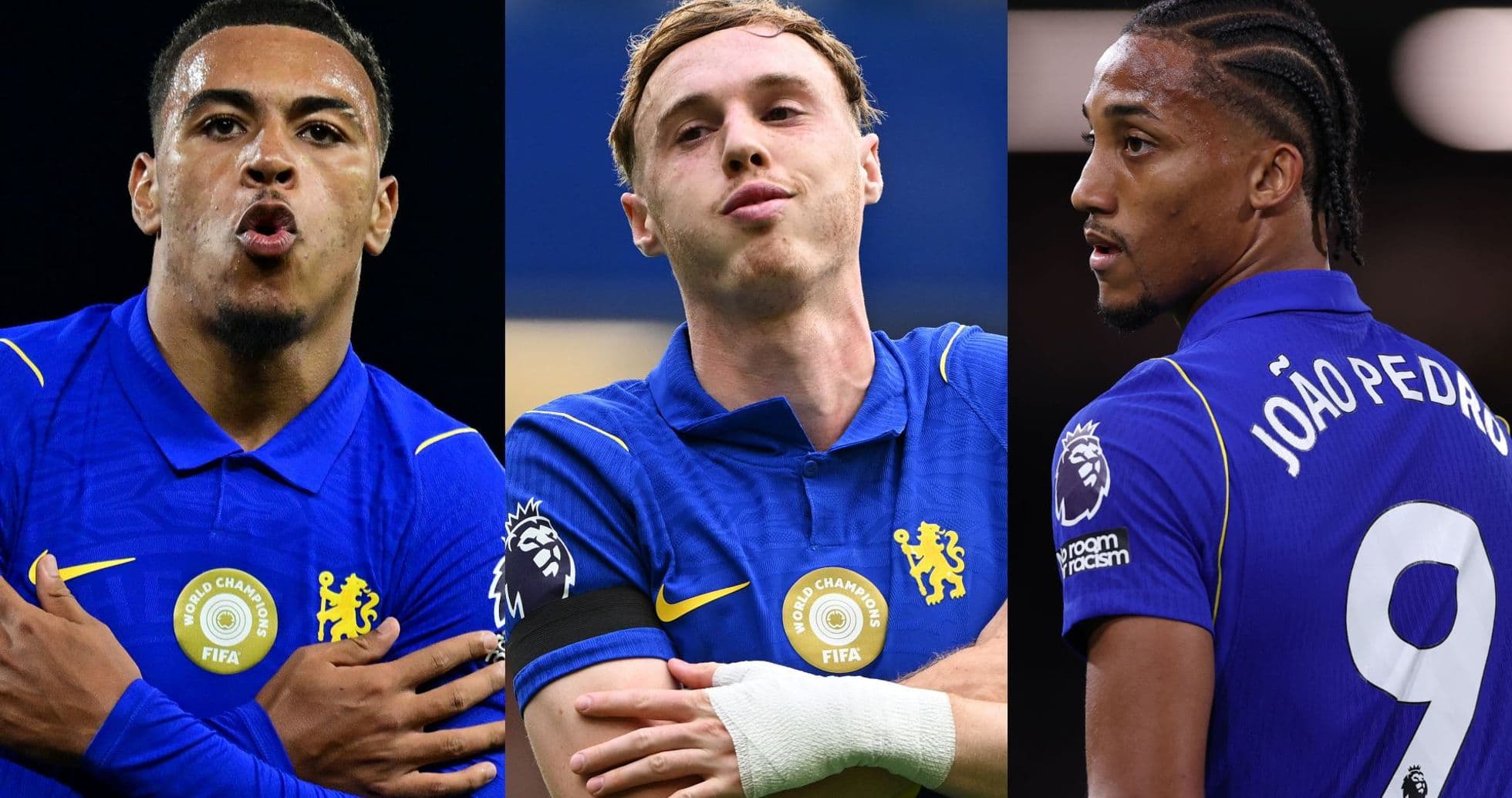
Colombia vs Ghana: A Clash of Titans in Kansas City
The Round of 32 reaches its final bend in Kansas City, where two very different stories collide under the lights.
On one side, Colombia: polished, purring, and walking into the knockouts with the swagger of a team that expects to stay a while. On the other, Ghana: scarred by setbacks, fuelled by history, and already breaking new ground just by being here.
Kick-off is set for 4 July 2026 at 01:30 GMT, 20:30 EST on 3 July. The stakes are clear. For Los Cafeteros, anything less than a deep run will feel like a waste of a golden window. For the Black Stars, this is a chance to turn a landmark into a legend.
Colombia arrive in full stride
Néstor Lorenzo’s Colombia have not just progressed; they have imposed themselves.
Top of Group K with seven points, they handled their business with the calm of a seasoned contender. Uzbekistan were swept aside 3-1, DR Congo edged 1-0, and then came the real test: a chess match with Portugal that ended 0-0 but told a different story about Colombia’s maturity.
One goal conceded in three World Cup games. Six scored across their last five matches, none allowed in that stretch. This is not the fragile, romantic Colombia of old. This is a team that defends with the same conviction it attacks.
The structure is settled, the roles are clear. Camilo Vargas brings authority in goal. Davinson Sánchez and Jhon Lucumí anchor a back line that has quietly become one of the most reliable units in the tournament. Daniel Muñoz, rampaging down the right, has already scored twice and plays like a full-back who thinks he is a winger and proves it every time he crosses halfway.
Then there is the heartbeat: James Rodríguez. At 34, the captain no longer sprints past people; he bends games to his tempo. Lorenzo will again hand him the keys, trusting his vision to slice open compact lines and to find Luis Díaz in the spaces where defenders hate to turn.
Luis Suárez, having shaken off the minor fitness issue that restricted him to the bench against Portugal, is ready to return to the starting XI. His presence restores Colombia’s preferred shape and gives James a focal point to play off, with Díaz cutting in from the left and Jhon Arias buzzing between lines.
Everything about Colombia says “ready.” Ready for a long month. Ready for pressure. Ready for a Ghana team that will not give them an inch.
Ghana: history made, giants in their path
For Ghana, this World Cup already carries a line in the history books. They have advanced past the group stage for the first time in the modern era, emerging from a turbulent Group L as one of the best third-placed sides.
The route was not smooth. A 1-0 win over Panama opened the campaign and settled early nerves. A gritty 0-0 draw against co-hosts England announced that this team would not be overawed by big names or big crowds. Then came the sting: a 2-1 defeat to Croatia that snapped their unbeaten run and exposed the thin margins they live on.
Across their last five outings, Ghana have gone W-D-L-D-L, scoring three and conceding four. It is not the record of a juggernaut. It is the record of a side that survives, adjusts, and clings on long enough to give itself a chance.
Carlos Queiroz has leaned on experience and discipline. The spine is familiar: Thomas Partey patrolling midfield, Jordan Ayew working the channels and carrying the burden in attack, Antoine Semenyo offering power and movement after an ankle scare that the medical staff have carefully managed.
Semenyo is expected to start. That matters. His ability to run behind and hold up play gives Ghana a release valve when the pressure builds.
Behind them, the defensive unit has grown into the tournament. Benjamin Asare in goal, Jonas Adjetey and Derrick Luckassen in central defence, Gideon Mensah and Marvin Senaya on the flanks – not household names globally, but they have already held England scoreless and kept Panama at arm’s length. Communication and concentration will have to be perfect again.
Where the game will be won
Tactically, this match has a clear fault line: Colombia’s right flank against Ghana’s defensive block.
Colombia love that side. Muñoz pushes high, often operating as an auxiliary winger. Arias drifts out to combine. James slides across to overload. The idea is simple: stretch the block, drag markers out of position, and then hit Díaz on the weak side or slip Suárez into the gaps.
Ghana’s answer will not be to chase shadows. Their plan revolves around an organised mid-block, compact lines, and a refusal to be lured into wild pressing. The central duel between Richard Ríos and Thomas Partey will shape everything.
If Ríos dictates, Colombia will keep feeding their forwards in rhythm. If Partey can disrupt his distribution, cut passing lanes and force Colombia to play sideways, Ghana can slow the game to a pace that suits them and limit the service into Díaz.
The Black Stars will also look for quick, vertical counters once they regain the ball. Kamaldeen Sulemana’s pace on the flank, Semenyo’s direct running and Ayew’s intelligence in transition offer a route to hurt Colombia if Lorenzo’s men over-commit.
That is the risk Colombia must manage. Their attacking structure is multi-dimensional, with overlapping full-backs, a drifting playmaker and wide forwards who love to attack inside. It is also vulnerable if they lose the ball with numbers ahead of it.
Line-ups that tell the story
The likely XIs underline the contrast.
Colombia are expected to line up:
- Vargas; Muñoz, Lucumí, Sánchez, Mojica; Puerta, Lerma, Arias; Rodríguez, Suárez, Díaz.
A side built to have the ball, to pin opponents back, and to keep them there.
Ghana’s probable shape, listed in error as “vs USA” but applicable here, looks more conservative:
- Asare; Senaya, Adjetey, Luckassen, Mensah; Sulemana, Partey, Owusu, Sibo, Semenyo; Ayew.
Five across midfield, Ayew leading the line, Semenyo and Sulemana providing legs and direct threat. A structure designed to absorb, frustrate and then break.
Both squads are in good health. Colombia report no fresh injuries or suspensions. Ghana’s only real concern, Semenyo, has been eased through his ankle problem and is ready to go. For a knockout tie of this intensity, that is a rare luxury: two coaches able to lean on their best.
Form, fear and a blank slate
Recent form tilts heavily towards Colombia. Across their last five games – including two pre-tournament friendlies against Jordan and Costa Rica – they have gone W-W-W-D-W, scoring six and conceding none. The 0-0 with Portugal was not a stumble; it was a statement that they can shut the door as well as anyone.
Ghana’s path has been bumpier. The 2-0 defeat to Mexico and 1-1 draw with Wales in friendlies hinted at a team still searching for its balance. The World Cup group stage showed resilience, but also fragility when Croatia raised the tempo.
History offers no guide here. There is no recent head-to-head record between these nations at major tournaments. No scars, no ghosts, no blueprint from the past. This is a rare intercontinental meeting, a blank page on which one of them will write something significant.
Colombia, first in Group K, stride in as favourites. Ghana, third in Group L, walk in as underdogs who have already punched above their weight. The narrative feels familiar: South American artistry against African defiance.
But knockout football has a habit of tearing up scripts.
Colombia know that one misjudged press, one mistimed overlap, one lost duel with Partey in midfield can flip a game they seem to control. Ghana know that chances will be scarce, that they must be ruthless when they come, and that another defensive masterclass is non-negotiable.
Kansas City will see either a contender confirm its status or an underdog stretch the boundaries of what this run can become.
For Colombia, this is about proving that momentum and maturity can carry them through the pressure of expectation. For Ghana, it is a question with a simple edge: having made history, how far are they willing to push it?