.svg&w=384&q=75 "Naijagoal logo")

Football's Next Big Events: WAFCON 2026 and European Kickoffs
The final whistle in North America has barely faded and already the sport is racing on. World Cup 2026, the biggest show football has ever staged – 48 nations, 104 matches, 308 goals – is over. The six‑week blur of colour, noise and late‑night drama has given way to an odd quiet.
It will not last.
Across the game, from continental showpieces to the grind of domestic leagues, the calendar is already snapping back into focus. The World Cup void will be short, sharp and packed.
Africa steps back into the spotlight: WAFCON 2026
Just a week after the World Cup final, the women take centre stage in Africa.
Women’s AFCON 2026 (WAFCON) kicks off with hosts Morocco against Kenya, and with it comes a very different kind of pressure. The Atlas Lionesses watched their male counterparts storm to a World Cup quarterfinal and lift AFCON 2025 – a triumph that still sparks arguments across the continent. Now it is their turn to carry the weight of expectation.
Nigeria arrive as defending champions, a familiar role for the continent’s dominant force in the women’s game. Ghana, Zambia and Malawi lurk in the chasing pack, armed with talent and ambition, eager to disrupt the established order.
For African football, it is not a comedown from the World Cup. It is a continuation.
PSG, Aston Villa and a European curtain-raiser
Before Europe’s major leagues roar back, one heavyweight clash will cut through the pre-season haze.
The UEFA Super Cup 2026 throws together Champions League winners Paris Saint‑Germain and Europa League holders Aston Villa on Wednesday, August 12, at Stadion Salzburg in Austria. Kick-off is 9pm local time (19:00 GMT).
PSG arrive as defending Super Cup champions, intent on holding their grip on a trophy that has so often eluded them in previous eras. Villa, reborn under Unai Emery and already with one European crown to show for it, sense another statement night on the horizon.
It is a one-off, high-stakes meeting. A shot of pure competitive edge before the leagues begin.
Champions League: a new campaign, familiar obsession
The Champions League returns in the second week of September and runs through to May 2027, the same old obsession dressed in a slightly new format.
On Thursday, August 27, in Nyon, Switzerland, 36 clubs will discover their league-stage path. Twenty-nine of them are already locked in after last season’s domestic and European campaigns. Seven more must fight their way through qualifying.
For players who have just walked off the World Cup stage, the turnaround is brutal. For supporters, it is perfect. The anthem will be back before the summer has even settled.
Premier League: champions Arsenal light the fuse
In England, the pause is even shorter.
The Premier League returns on Friday, August 21, with champions Arsenal beginning their title defence at home to Coventry City at the Emirates Stadium. Kick-off is 8pm (19:00 GMT), a Friday night start that will set the tone for a season loaded with subplots.
The opening weekend offers a sharp jolt of rivalry and intrigue:
- Hull City vs Manchester United – Saturday, August 22, 12:30pm (11:30 GMT)
- Manchester City vs Bournemouth – Sunday, August 23, 2pm (13:00 GMT)
- Newcastle United vs Liverpool – Sunday, August 23, 4:30pm (15:30 GMT)
- Fulham vs Chelsea – Monday, August 24, 8pm (19:00 GMT)
The World Cup stars will barely have time to unpack before they are back in the tunnel, under new pressures, with different colours on their backs.
La Liga: world champions come home
Spain’s world champions now return to a domestic landscape bristling with storylines.
La Liga begins on August 15, when Alaves host Getafe at 17:30 GMT. A few days later, Atletico Madrid welcome Malaga on August 19 at 18:00 GMT.
All eyes, though, lock on Barcelona and Real Madrid.
Barcelona, reigning La Liga champions and now home to several of Spain’s World Cup heroes, start away at Elche on August 23. Their original opener against Athletic Bilbao has been pushed back to August 27, stretching out their entrance.
Real Madrid’s schedule has shifted too. Their planned opening-weekend home clash with Real Sociedad has moved to August 26, which means Jose Mourinho’s first league match in his second spell in charge comes away at Espanyol on August 22.
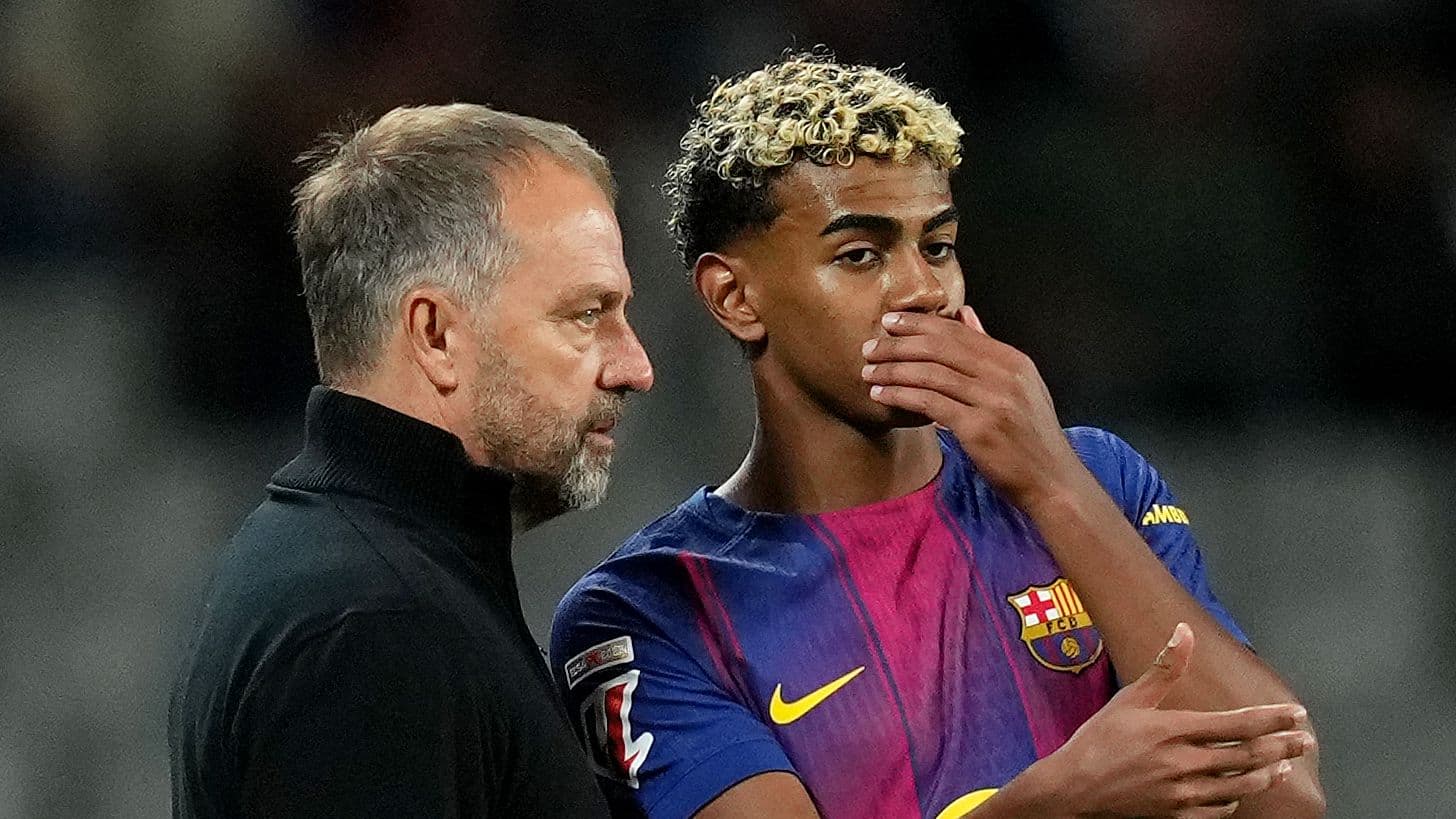
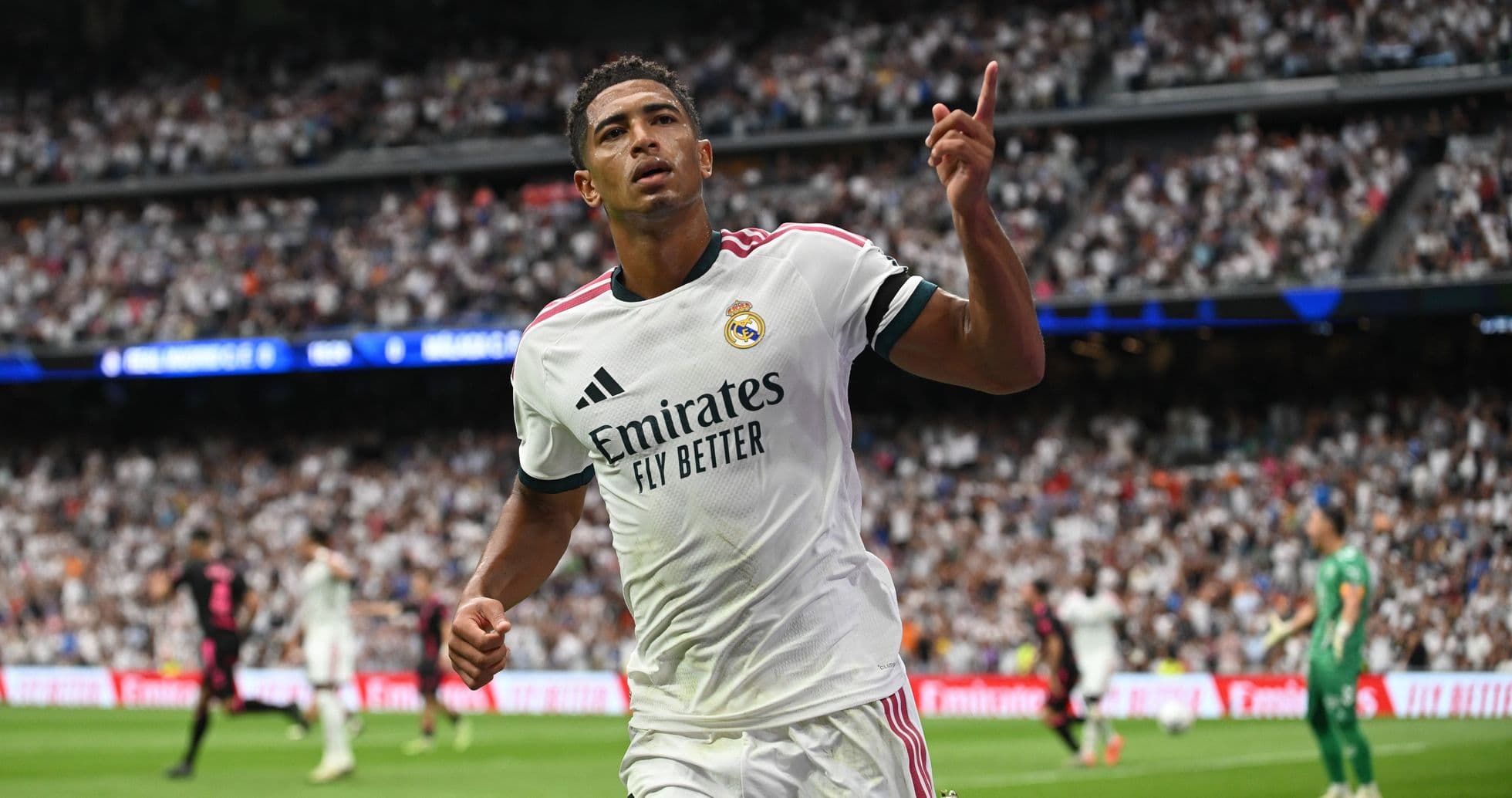
Madrid will lean on a star-studded core – Kylian Mbappe, Jude Bellingham, Thibaut Courtois – in a renewed push to reclaim the title. Standing in their way: a Barcelona side powered by Lamine Yamal, Pau Cubarsi, Gavi, Pedri and World Cup final match-winner Ferran Torres.
The rivalry resumes with fresh scars and new medals.
Serie A: a domestic balm after international pain
Italy watched the World Cup from the outside again, a third straight global tournament without the Azzurri. The hurt runs deep, but Serie A offers a familiar remedy.
The 2026‑27 season opens on August 22 and immediately delivers heavyweight fixtures:
Saturday, August 22
- Inter Milan vs Monza – 16:30 GMT
- Genoa vs Napoli – 18:45 GMT
Sunday, August 23
- Frosinone vs Juventus – 16:30 GMT
- Atalanta vs Sassuolo – 18:45 GMT
- Torino vs AC Milan – 18:45 GMT
Monday, August 24
- AS Roma vs Fiorentina – 18:45 GMT
With the national team absent from the World Cup spotlight, the league becomes the stage where Italian football must rebuild its swagger.
A new road to the World Cup in Europe
International football does not disappear for long.
UEFA is reshaping its World Cup qualification route, ditching the old small-group format in favour of a two-tier league system.
The 36 highest-ranked European nations will form League A, using a Swiss-system model reminiscent of the revamped Champions League. The remaining 19 countries will compete in League B.
Each team will play six qualifying matches in the initial phase. Promotion, relegation and play-offs will then decide who reaches the next World Cup. The stakes remain the same; the path becomes more complex.
Nations League: Spain, England, Portugal back on the hunt
The UEFA Nations League, now firmly embedded in the calendar and intertwined with qualification for both the World Cup and Euro 2028, will again bring competitive edge to the international breaks.
Spain, champions of Europe and the world, lead the charge. Cristiano Ronaldo’s Portugal open the next matchday against Wales on Thursday, September 24, at 18:45 GMT.
Two days later, on Saturday, September 26, England host Spain at 18:45 GMT – a meeting of World Cup semifinalists and reigning world champions, and another test of how Gareth Southgate’s side measure up against the very best.
These are not friendlies. They are checkpoints on the road to the next major tournaments.
Africa’s next World Cup race: a longer, wider chase
Africa’s showing at the 2026 World Cup was historic. Ten teams took part for the first time, nine reached the knockout stages, and the continent’s ambitions grew again.
The next cycle will be even more ruthless.
Based on FIFA’s international match calendar and previous patterns, African qualifying for the 2030 World Cup is expected to begin in September 2027 and run through to 2029.
Morocco, as one of the 2030 cohosts, already have their place secured. The remaining African spots – nine direct berths, with the possibility of a 10th via inter-confederation playoffs if FIFA maintains the current allocation – will be fought over by the rest of CAF.
For nations who lit up 2026, and for those who missed out, the countdown has already started.
Asia’s response after a bruising World Cup
Asia leaves this World Cup with more questions than answers. Only Australia escaped the group stage, and their run ended in the round of 32 against Egypt.
The response will come in the 2030 qualification campaign.
The AFC’s World Cup qualifying is expected to start in late 2027, with the first matches likely in October or November. The confederation has not yet released an official schedule, but its planning documents point to a near two-year slog from that point.
It will be a long, unforgiving process. For Asian sides stung by 2026, it is also an opportunity to reset their place in the global order.
The World Cup is gone, but the game does not breathe for long. From WAFCON to the Super Cup, from Arsenal’s title defence to Mourinho’s Madrid return, from revamped qualifiers to the Nations League grind, the sport is already hurtling towards its next crescendo.
The only real question now: who uses this short window best – the clubs, the countries, or the players caught in between?