.svg&w=384&q=75 "Naijagoal logo")
Fiorentina and Genoa: Tactical Stalemate in Serie A Clash
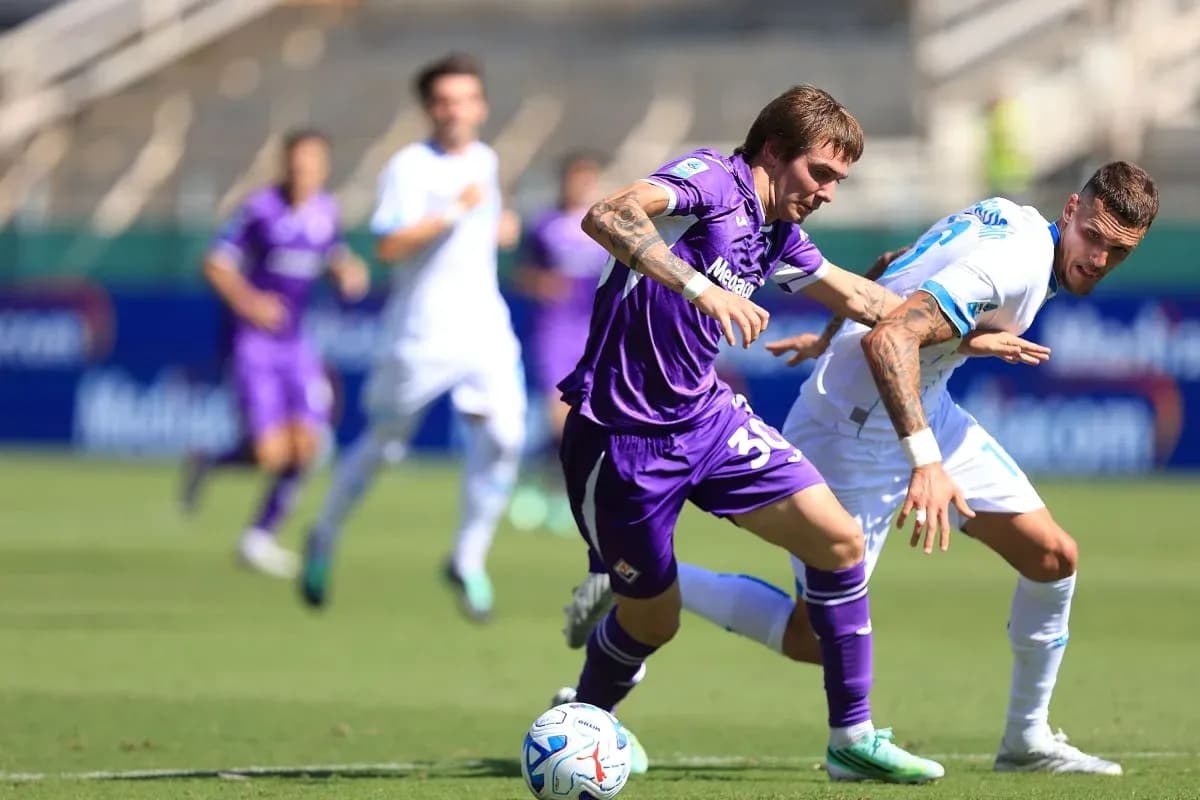
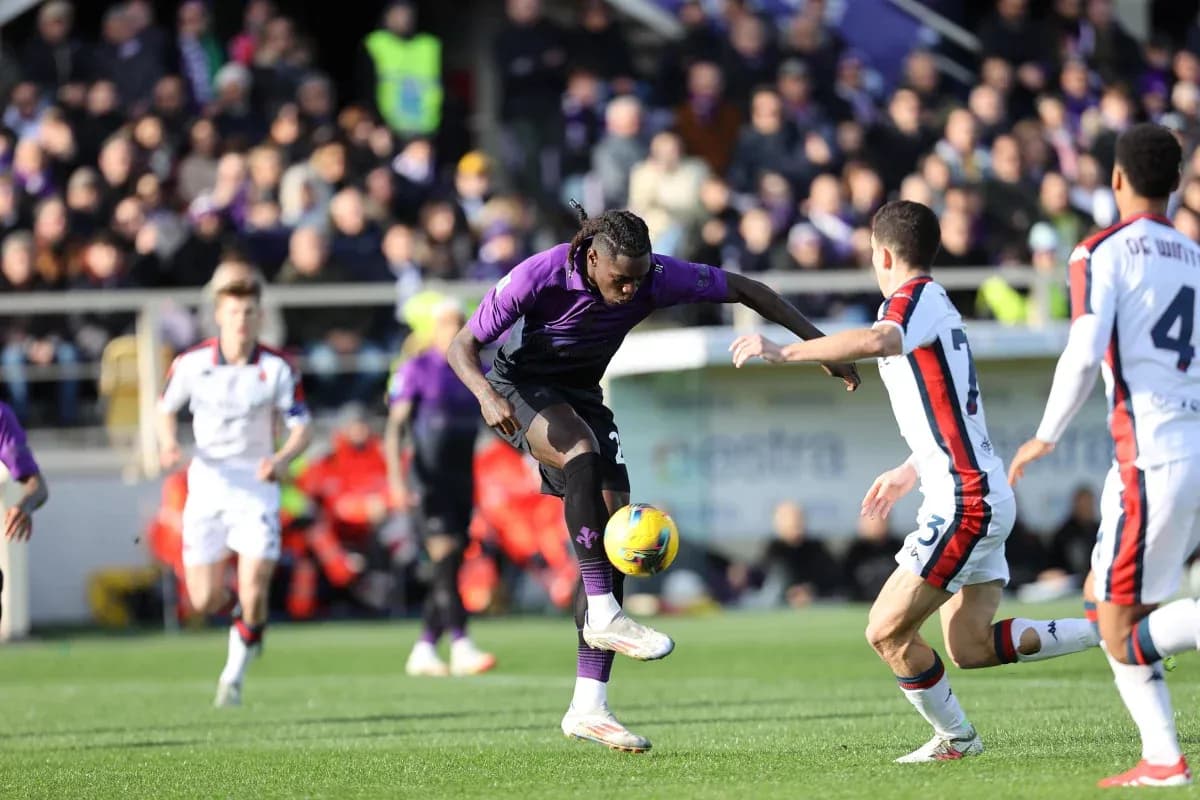
The late afternoon light over Stadio Artemio Franchi found two sides who mirror each other in the table and, in many ways, in their flaws. Fiorentina and Genoa, 15th and 14th in Serie A heading into this game, played out a 0-0 that felt less like a stalemate and more like a tactical arm-wrestle between two coaches trying to stabilise fragile seasons.
For Fiorentina, Paolo Vanoli doubled down on what has become their seasonal DNA: a flexible but often cautious 4-3-3. Across the campaign they have been a side of small margins – 8 wins, 14 draws, 14 defeats in total – with a goal difference of -11, built from 38 goals for and 49 against. At home, the numbers tell the same story: 20 scored and 20 conceded from 18 games, an average of 1.1 goals both for and against. It is a profile of balance that too often drifts into inertia.
Vanoli’s XI reflected that blend of control and restraint. David de Gea anchored the back line, shielded by a flat four of Dodo, Marin Pongračić, Luca Ranieri and Robin Gosens. In front of them, Rolando Mandragora, Nicolò Fagioli and Cher Ndour formed a midfield triangle designed more to steer the rhythm than to break it. Up front, F. Parisi and R. Braschi flanked Manor Solomon in a fluid front three that promised movement more than sheer penalty-box presence.
Opposite them, Daniele De Rossi’s Genoa arrived with a slightly more assertive record: 10 wins, 11 draws and 15 defeats overall, with 40 goals scored and 48 conceded for a goal difference of -8. On their travels they have been stubborn rather than spectacular, winning 4, drawing 7 and losing 7, scoring 19 and conceding 24. The choice of a 3-4-2-1 at Florence was a statement: three centre-backs, width from the flanks, and a narrow band of forwards ready to spring.
J. Bijlow stood behind a back three of A. Marcandalli, Leo Østigård and N. Zatterstrom, with a four-man line across midfield: M. E. Ellertsson wide, Amorim and Morten Frendrup in the central engine room, and Aarón Martín on the left. Ahead of them, J. Ekhator and Vitinha floated behind lone striker Lorenzo Colombo, a trio built to counter quickly when Fiorentina’s midfield lost its shape.
The absentees added a quiet but significant undertone. Fiorentina were without Moise Kean, their leading scorer in Serie A with 8 goals and 2 penalties converted from 2 attempts. His blend of depth runs and physical presence was exactly the sort of weapon Vanoli could have used against a three-man Genoa defence. Also missing was T. Lamptey, whose knee injury removed an attacking full-back option that could have tilted the flank battle.
Genoa’s list of absences was even longer: T. Baldanzi (thigh injury), M. Cornet (inactive), Junior Messias (muscle injury), B. Norton-Cuffy (thigh injury) and S. Otoa (inactive). That stripped De Rossi of several creative and transitional profiles, especially Messias and Baldanzi, pushing more creative responsibility onto Aarón Martín and the forwards. Aarón’s season numbers – 5 assists, 60 key passes and 11 blocked shots – underline how much Genoa lean on his left foot for both progression and delivery. His missed penalty this season (1 missed from 1 taken) also hangs over his set-piece duties, a reminder that Genoa’s margin for error from the spot is not flawless, even if the team overall has scored all 5 of their penalties.
Discipline was always likely to shape the tone. Fiorentina’s season card profile shows a late-game spike: 25.00% of their yellow cards arrive between 76-90 minutes, and both of their red cards have also come in that same 76-90’ window. Genoa, by contrast, scatter their yellows more evenly but have a dangerous edge: red cards in three distinct windows – 0-15, 46-60 and 91-105 minutes – with each accounting for 33.33% of their total reds. With high-stakes tacklers like Pongračić (11 yellows) and Ranieri (8 yellows) on one side, and Ruslan Malinovskyi’s 10 yellows on the other, the referee Luca Massimi was always going to be busy around the duels.
In the “Hunter vs Shield” matchup, the narrative was oddly inverted. Fiorentina, missing their main hunter in Kean, were relying on a front three light on proven Serie A end product, against a Genoa side that concedes 1.3 goals per game on their travels. Genoa’s own attack – 1.1 away goals per game – ran into a Fiorentina defence that, at home, allows 1.1 per match and has kept 6 clean sheets at the Franchi. The numbers suggested that a single goal might decide it; instead, both defensive blocks held firm.
The “Engine Room” duel revolved around Mandragora and Fagioli against Frendrup and Amorim. Fiorentina’s season-long tendency to draw – 14 in total – is born in this zone: they control phases but rarely accelerate them. Genoa’s central pair, more vertical and willing to step into tackles, were tasked with disrupting that rhythm and releasing Vitinha and Ekhator into space. Without detailed xG data from the match itself, the season profiles act as a proxy: Fiorentina’s total scoring average of 1.1 and Genoa’s total concession rate of 1.3 hint at modest attacking production, while Genoa’s own 1.1 scoring average runs into Fiorentina’s 1.4 goals conceded overall. On paper, both sides generate and allow chances, but not in high volume.
Following this result, the 0-0 feels less like a missed opportunity and more like an accurate reflection of two teams whose seasons have been defined by caution, narrow margins and the fear of the mistake. Fiorentina’s clean-sheet numbers at home and Genoa’s 5 away clean sheets in total both found another data point. In tactical terms, Vanoli’s 4-3-3 and De Rossi’s 3-4-2-1 largely cancelled each other: Fiorentina’s width met Genoa’s back three plus wing-backs, while Genoa’s central overload was met by a Fiorentina midfield three unwilling to vacate their zones.
From a statistical prognosis, nothing here suggests a sudden surge. Fiorentina’s penalty perfection (6 scored from 6) remains a hidden weapon should they draw more fouls in the box, while Genoa’s reliance on structured build-up and Aarón Martín’s delivery will continue to be their clearest route to goals. But unless either side finds a way to turn territorial control into higher xG shot locations – and unless their card-heavy protagonists can stay on the pitch deep into that volatile 76-90’ window – matches like this will keep drifting towards draws, more chess than chaos at the Franchi.