.svg&w=384&q=75 "Naijagoal logo")

Derby County's Saudi Takeover Fails as Clowes Retains Control
Derby County’s long‑trailed Saudi-backed takeover is off. Not delayed. Not “under review”. Over.
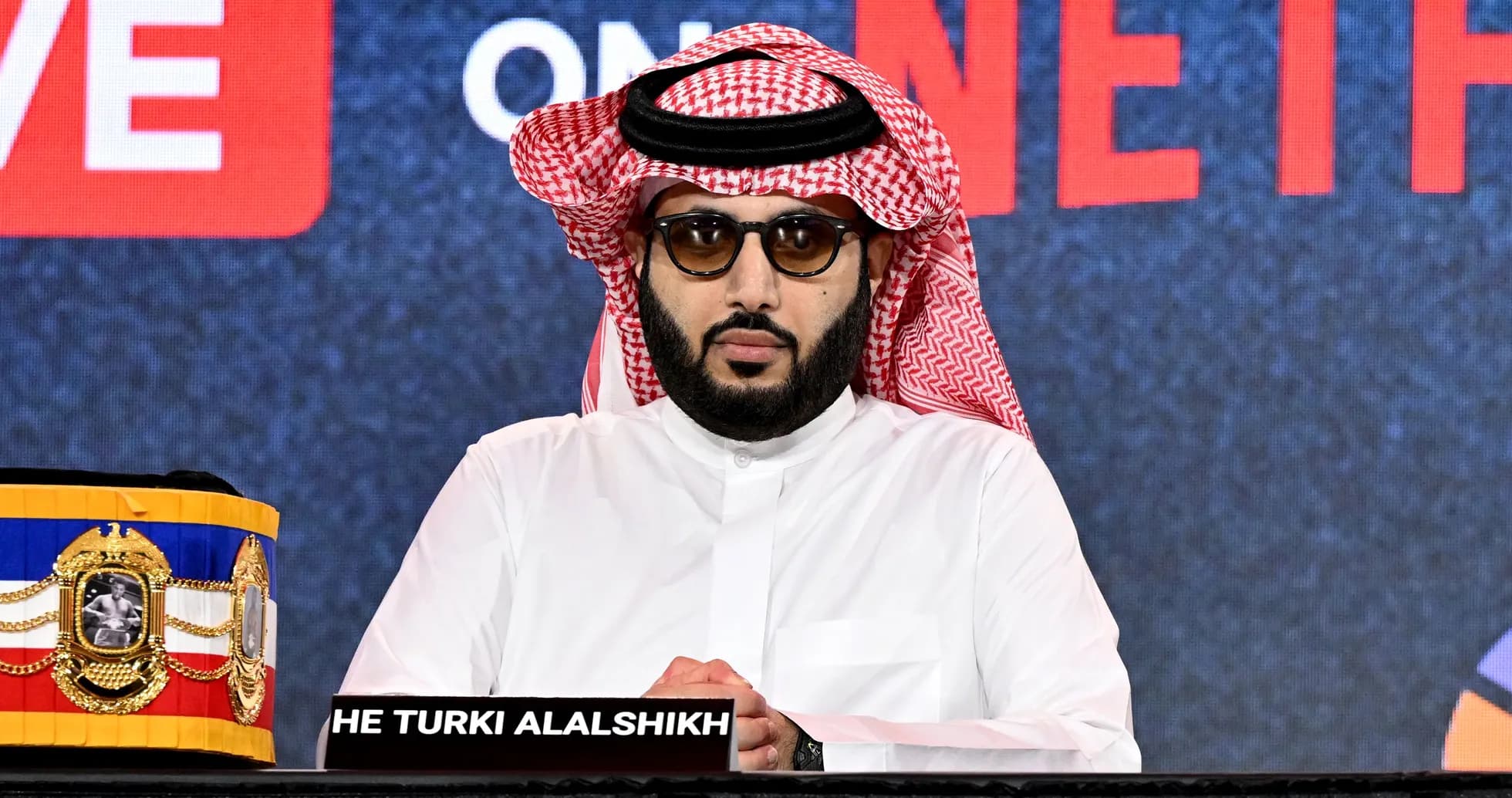
Lion Sport, the consortium fronted by Saudi General Entertainment Authority chairman Turki Alalshikh, has walked away from a deal that had already threaded its way through the major regulatory checks. For supporters who had braced for a new era of heavyweight investment at Pride Park, the announcement landed like a thud.
Instead, Derby remain under the control of David Clowes and Clowes Developments. And, crucially, they are no longer for sale.
In a firm, carefully worded statement, the club drew a line under months of speculation: “For the benefit of any doubt, the club is now off the market and will continue to operate under the loyal, committed and unwavering support of Clowes Developments. Our preparations continue for the new EFL season, beginning against Charlton Athletic on Saturday. The club will offer no further comment.”
No ambiguity. No open shop window. Derby, after a decade of turbulence, are choosing certainty over the promise of a windfall.
Timing kills the deal
Within hours, Alalshikh set out his side of the story. The deal did not collapse over price, ambition or vision, he suggested, but over the calendar.
“I would like to thank everyone at Derby County Football Club, and everyone involved in this process for all their hard work over the past few months,” he said. “We understood that the IFR process takes time and fully respect the importance of that, but unfortunately with the season already started, it would leave us with no time to prepare the team or the club for the season ahead.”
The pressure of the English season’s unforgiving rhythm proved decisive. By the time the regulatory hurdles were cleared, the window for reshaping a squad, a structure and a strategy had almost shut.
“After careful consideration, we don't feel it is right to proceed at this time without the necessary preparation in place, but we will remain in conversation with the club and see what is possible in the future. I personally wish the team and club every success for the season ahead.”
So the door is not bolted, just closed. For now, Derby step back from the brink of a radical change in direction, while Alalshikh keeps a watching brief.
Alalshikh’s elusive English foothold
This is not the first time Alalshikh’s pursuit of a foothold in club football has taken a sharp turn.
He has already sampled the game’s politics and pressures at Pyramids FC in Egypt and at Spanish side Almeria. His name has floated around English football’s gossip columns for years, linked with Millwall, Southampton and Sheffield Wednesday. Each time, the idea of his arrival has stirred debate: immense wealth, estimated around $2.8 billion, paired with a high-profile role in global boxing and entertainment.
Translating that financial muscle into a stable, accepted presence in the English game has proved anything but straightforward. Regulatory scrutiny is only one part of the puzzle. Public perception, club identity and the long shadow of previous ownership sagas across the leagues all weigh heavily on any proposed deal.
Derby’s collapse adds another twist to a complicated ownership story that still has no English chapter.
Derby turn back to the pitch
For Derby County, the noise around boardroom machinations now gives way to something more familiar: the grind of a new campaign.
The club has lived through a brutal decade – brushes with financial ruin, administration, a fall into League One and the long road back. Clowes Developments’ intervention brought stability when it was most needed, rescuing Derby from the brink and restoring a measure of calm around Pride Park.
This latest decision, to take the club off the market, underlines that stance. It is a bet on continuity, on building patiently rather than chasing a whirlwind of global exposure and instant spending power.
The allure of Alalshikh’s backing was obvious. International profile. Commercial reach. The kind of financial clout that can, if used wisely, accelerate a club’s rise. Yet Derby’s hierarchy has chosen to shut down the distraction of a “for sale” sign and back the structure already in place.
The next chapter will not be written in a lawyers’ office or a regulator’s in-tray. It will unfold on the pitch, starting against Charlton Athletic, under owners who have made their position plain.
Derby wanted certainty. Now they have it. What they make of it in the Championship will define whether this was the opportunity that got away, or the moment they quietly chose the right kind of future.