.svg&w=384&q=75 "Naijagoal logo")

Fiorentina vs Atalanta: Serie A Season Finale Analysis
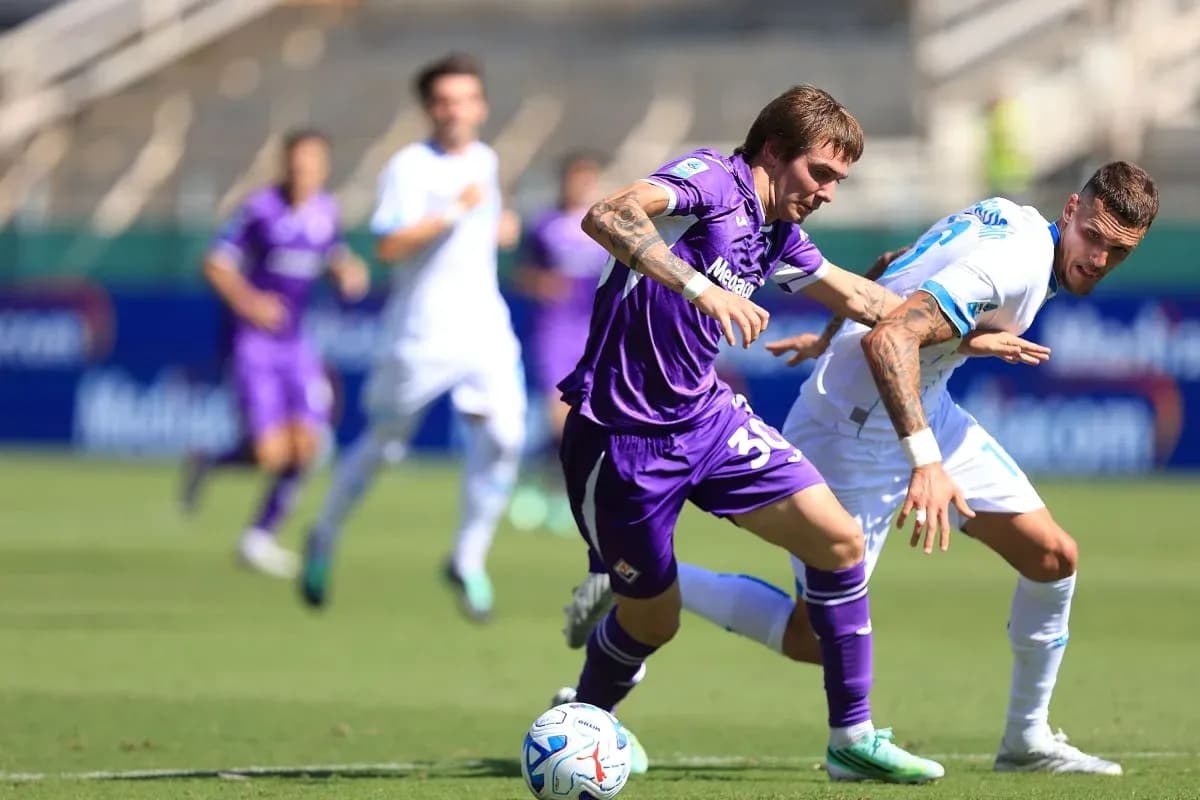
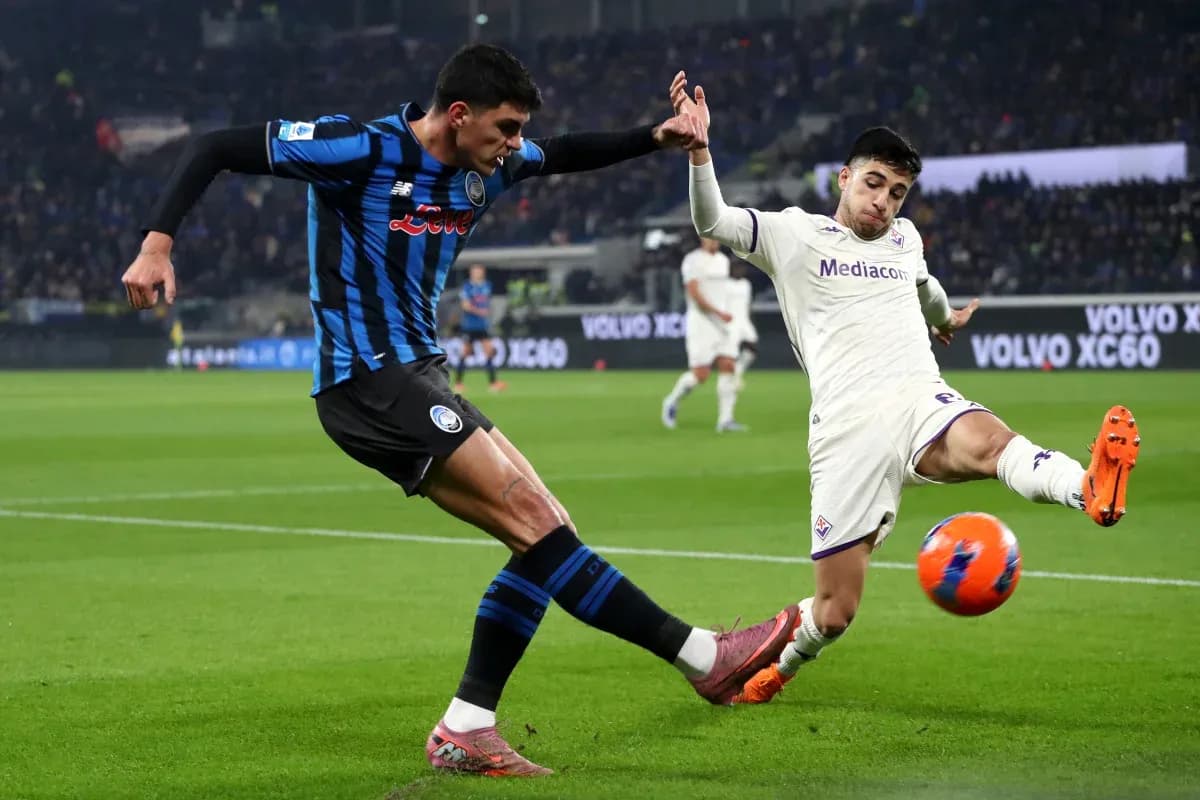
The curtain fell on Fiorentina’s Serie A season at Stadio Artemio Franchi with a result that felt emblematic of their campaign: a 1–1 draw against an Atalanta side built for higher ground. Following this result, Fiorentina closed the league in 15th on 42 points, with a goal difference of -9 (41 scored, 50 conceded). Atalanta, by contrast, finished 7th on 59 points, their positive goal difference of 15 (51 scored, 36 conceded) underlining the structural gap between these two squads.
I. The Big Picture – Systems, Identities, Directions
Paolo Vanoli leaned into Fiorentina’s most familiar shape, a 4-3-3 that has been his default blueprint across 15 league matches. It is a system that wants to be proactive but has often been undermined by thin margins: at home they scored 21 and conceded 21, averaging 1.1 goals for and 1.1 against per match. That statistical equilibrium captures their season-long tension between intent and fragility.
Across from them, Raffaele Palladino stayed loyal to Atalanta’s modern identity: a 3-4-2-1 used in 34 league games. On their travels, Atalanta produced 26 goals and conceded 21, with away averages of 1.4 goals scored and 1.1 conceded. The structure is aggressive but disciplined, designed to overload the half-spaces while keeping three central defenders as a permanent safety net.
The lineups mirrored those philosophies. Fiorentina’s back four of Dodo, P. Comuzzo, D. Rugani and R. Gosens sat behind a hard-working midfield trio of G. Fabbian, R. Mandragora and M. Brescianini. Up front, J. Harrison and A. Gudmundsson flanked R. Piccoli in a narrow front three, tasked with attacking the channels behind Atalanta’s wing-backs.
Atalanta’s back three of G. Scalvini, I. Hien and H. Ahanor were shielded by a muscular midfield box: R. Bellanova and Y. Musah wide, with M. De Roon and M. Pasalic inside. Ahead of them, L. Samardzic and K. Sulemana floated behind G. Raspadori, forming the familiar Atalanta triangle that alternates between pressing trap and creative engine.
II. Tactical Voids – Absences and Discipline
Both managers had to navigate key absences that subtly reshaped the contest.
For Fiorentina, M. Kean (calf injury) and F. Parisi (knee injury) removed both a vertical outlet and an attacking full-back profile from the squad sheet. More damaging in structural terms was the suspension of L. Ranieri after a red card earlier in the campaign. Ranieri’s blend of aggression and recovery pace has been central to Fiorentina’s defensive line; without him, Comuzzo and Rugani had to manage Atalanta’s rotations with less margin for error.
Atalanta travelled without L. Bernasconi (knee injury) and O. Kossounou (thigh injury). Kossounou’s absence in particular trimmed Palladino’s options for a more athletic, front-foot defender on the right of the back three, forcing greater responsibility onto Hien and Scalvini to handle wide isolation and aerial duels.
Disciplinary trends also framed the risk profile. Fiorentina’s season-long yellow card distribution shows a clear late-game spike: 25.30% of their yellows arrived between 76-90 minutes, and a further 15.66% in the 91-105 window. Red cards tell a similar story, with 66.67% in the 76-90 range. This is a side that often defends on the edge as fatigue bites. Atalanta’s yellows also peak late, with 23.33% between 76-90 minutes and 21.67% between 61-75, while their reds are split early (0-15) and late (76-90). The closing stages were always likely to be a volatile phase.
III. Key Matchups – Hunter vs Shield, Engine Room Battles
Hunter vs Shield
Atalanta’s attacking threat is best understood through their season leaders rather than the single match sheet. Nikola Krstović, listed here with 10 league goals and 5 assists, is the archetypal Atalanta forward: 75 shots, 34 on target, 21 key passes and a willingness to duel (266 total duels, 117 won). Even when starting on the bench, his presence in the squad shapes how Fiorentina must defend late in games.
Alongside him, Gianluca Scamacca also reached 10 league goals, with 49 shots and 22 on target, plus 17 key passes. His penalty record – 2 scored from 2 – adds another dimension to Atalanta’s threat in the box. Together, they are the “hunter” unit behind Atalanta’s 51 goals overall, 26 of those on their travels.
The “shield” they were testing belongs to a Fiorentina side that conceded 50 league goals overall, 21 at home. The average of 1.3 goals conceded in total, and 1.1 at home, tells of a defence that is not disastrous but rarely airtight. Ranieri’s absence only heightens the burden on Rugani and Comuzzo, while Dodo and Gosens must choose between stepping high to press Atalanta’s wing-backs or tucking in to guard the half-spaces where Samardzic and Sulemana operate.
Engine Room – Playmaker vs Enforcer
In the middle, the duel between creativity and control is personified by Atalanta’s Charles De Ketelaere and Fiorentina’s screening unit.
De Ketelaere, one of Serie A’s top assist providers with 5 assists, has produced 63 key passes and attempted 102 dribbles, succeeding in 51. His ability to receive between the lines, turn, and either drive at the back four or slide runners in behind is central to Atalanta’s 3-4-2-1. Even starting from the bench, his profile looms over the match narrative: when he enters, the tempo and angle of Atalanta’s attacks change.
For Fiorentina, Mandragora and Brescianini form the first line of resistance in front of the defence. Their job is to block the vertical lanes into Raspadori’s feet and prevent De Roon and Pasalic from dictating rhythm. With Fiorentina’s late-game card spike, their timing in the tackle is as important as their positioning; one mistimed challenge in the 76-90 window can tilt the entire contest.
IV. Statistical Prognosis – Margins and xG Logic
Following this result, the 1–1 scoreline fits the statistical contour of both seasons. Fiorentina’s overall average of 1.1 goals scored and 1.3 conceded, paired with Atalanta’s 1.3 scored and 0.9 conceded, points toward a narrow contest where the away side create slightly better chances but are unlikely to run away with it.
Atalanta’s 13 clean sheets (7 at home, 6 away) and only 8 matches failed to score overall suggest a team that reliably generates xG and suppresses high-quality chances. Fiorentina, with 10 clean sheets and 11 matches where they failed to score, are more volatile: capable of shutting games down, but also of disappearing in the final third.
Layer onto that the discipline patterns – both sides most combustible between 61-90 minutes – and the late-game narrative becomes clear. The intersection of Atalanta’s sustained attacking threat and Fiorentina’s tendency to collect cards and concede pressure late makes the closing quarter-hour the decisive tactical theatre.
In the end, a 1–1 draw at the Franchi feels like the meeting point of these statistical and structural truths: Fiorentina stubborn but limited, Atalanta more polished but not ruthless enough to fully impose their superiority on their travels.