.svg&w=384&q=75 "Naijagoal logo")

European Football's Evolution: From Maradona to Super League
On 16 September 1987, Diego Maradona’s Napoli walked into La Quinta del Buitre’s Real Madrid and straight into a lesson about European football’s ruthlessness. First round, first leg of the European Cup, and it was over almost as soon as it began. Madrid won 2-0 at the Bernabéu, then went to the San Paolo and drew 1-1. I Partenopei were out before the competition had even cleared its throat.
Watching on, Silvio Berlusconi seethed. One of the glamour acts had vanished in mid-September, and that did not suit the owner of AC Milan at all. He did not want his own club, built for the big stage, suffering the same early exit. So he pushed an idea that would echo through the decades: a European super league, a closed shop for the elite. The project never fully materialised, but it scared Uefa enough. Five years later, the Champions League arrived.
That still did not sate the hunger. It never does. First came extra places for the richest leagues. One team became two, then three, then four; in some cases now, it can be five. Then came the next leap: the so‑called Swiss model. The logic is brutally simple and entirely in line with the Berlusconi blueprint – pile up lucrative fixtures between the wealthiest clubs, strip away as much jeopardy as possible, keep the stars on screen for as long as you can. Gabriel Hanot, the journalist who first dreamed up a true continental competition, would look at this and weep.
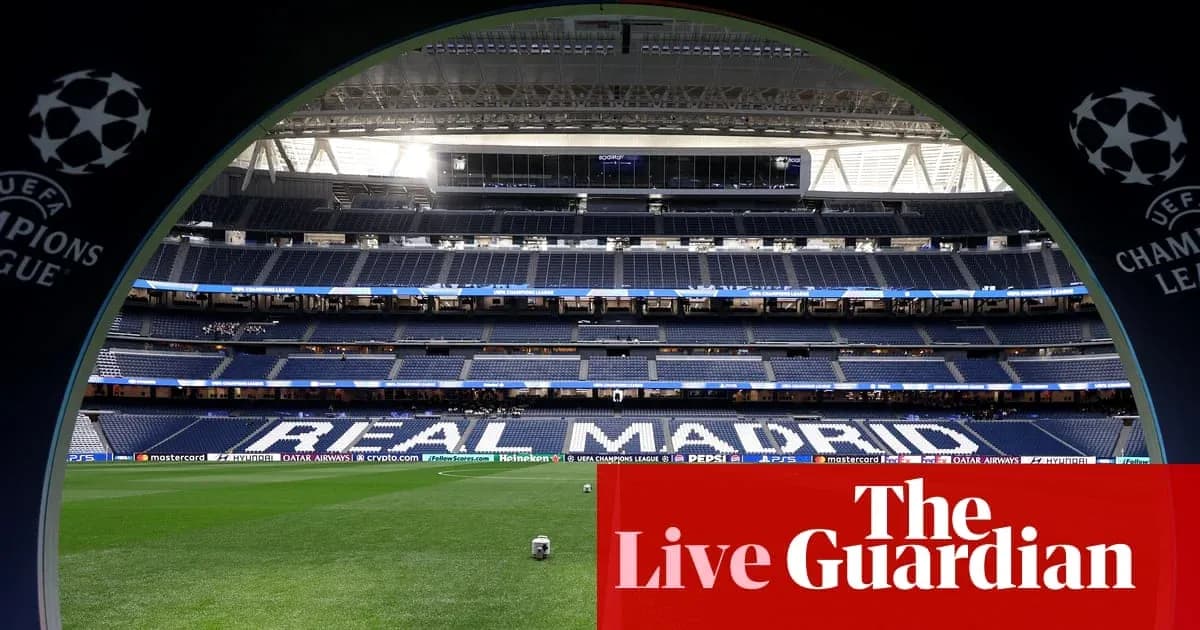
Everyone else? They tune in. Because nights like Real Madrid v Internazionale are almost impossible to resist.
The storylines write themselves. José Mourinho, granted what feels like his latest final chance at the very top, stalks the touchline again, searching for the old electricity. Across from him stands Cristian Chivu, once his on‑field lieutenant, now newly promoted to the Inter dugout at the club where Mourinho delivered perhaps his greatest work. Nostalgia clashes with reinvention under the lights.
And that is only one strand of the evening. Dortmund, with the Yellow Wall roaring at the Westfalen, will showcase Konstantinos Karetsas, the 18‑year‑old midfielder who has burst into the side with startling assurance, against Villarreal. Elsewhere, Porto face Manchester City, Lille meet Real Betis, and the goals, angles and arguments will fly in from every corner.
What does any of it truly mean in this bloated new landscape? Hard to say. But meaning tends to follow money and drama, and there will be plenty of both. Millions will lock in on the promise of high‑grade football, the table maths and format diagrams quietly forgotten.
All the while, the domestic rhythm carries on. The League Cup ticks into another round, floodlights flickering on up and down the country. We will keep track of that too – the shocks, the rotated XIs, the managers trying to pretend they are not bothered while very much needing a result.
So pick your screen. League Cup kick-offs at 7.45pm and 8pm BST, Champions League at 8pm. The structure of the game may have bent towards the elite, but the fixture list still comes at you all at once.