.svg&w=384&q=75 "Naijagoal logo")

England's World Cup Exit: Tuchel's Future in Question
England’s World Cup dream died in Atlanta on Wednesday night, and it died with a whimper rather than the roaring finish many expected.
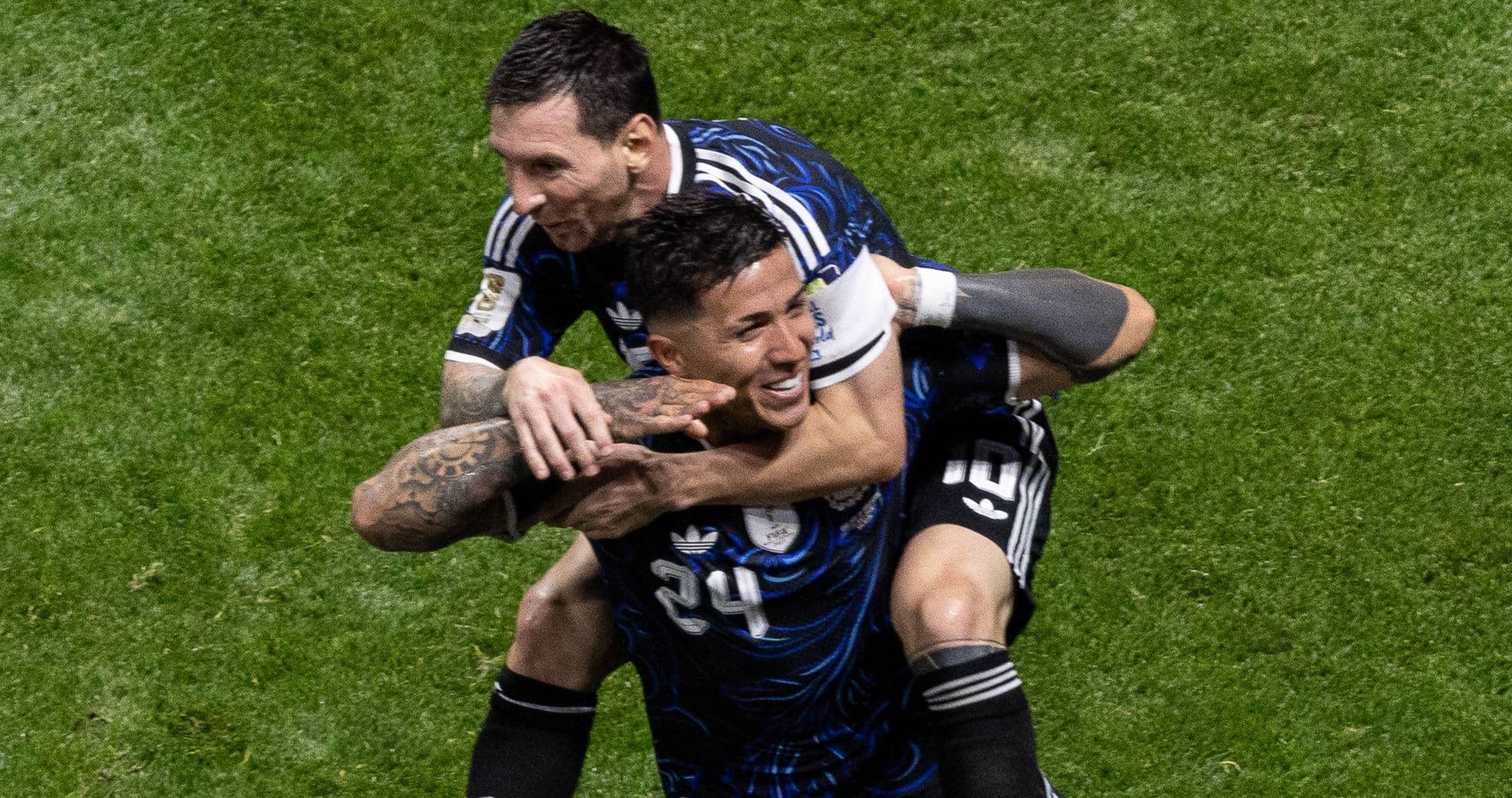
A 2-1 defeat to Argentina at the Atlanta Stadium ended hopes of a place in the final, despite Anthony Gordon’s 55th-minute strike putting England within touching distance of the showpiece. From there, the story turned sour. The lead brought caution, and caution brought trouble.
Tuchel under fire – but still in place
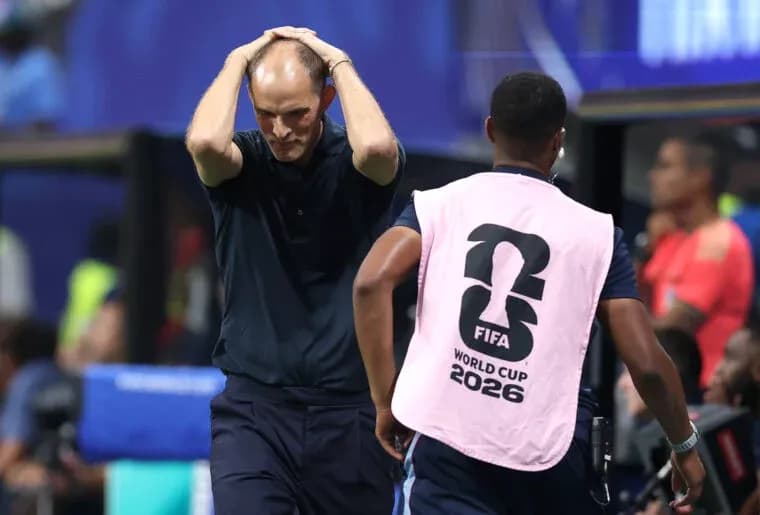
Thomas Tuchel walked into this tournament as the man trusted to turn a talented England generation into world champions. He walks out of it with his tactics under heavy fire but his job intact.
The German coach drew fierce criticism from fans and pundits for retreating into a defensive shell after Gordon’s breakthrough. England dropped deeper, the press eased off, and Argentina were invited onto them. The pressure eventually told, and with it went England’s control of the tie and their route to the final.
Yet despite the anger over the manner of the exit, Tuchel’s position remains secure. According to BBC Sport, the Football Association still backs him and expects him to lead England into Euro 2028. There is no appetite for a reset. Not yet.
Tuchel, 52, was appointed in January 2025 on a deal that was initially due to run only until this World Cup. His work in the early months convinced the FA to move early; in February he signed a two-year extension, tying him to the job through Euro 2028. That commitment now faces its first serious test.
From favourites to frustration
England did not sneak into this World Cup. They arrived as one of the leading contenders and, at first, looked every inch the part.
Croatia felt the full force of that early momentum. A 4-2 win in the opening game sent a message: England were not just here to compete, they were here to dominate. The attacking play flowed, the front line buzzed, and the optimism swelled.
Then came the wobble. Performances against Ghana and Panama lacked the same conviction. The results kept them on track, but the fluency dipped, and questions surfaced about balance, creativity, and control. Tuchel, though, found answers when it mattered most.
The knockout rounds reshaped the narrative. England handled the pressure against DR Congo, then delivered a statement performance at the Estadio Azteca, producing a tactical and technical masterclass to beat Mexico in one of their standout displays of the tournament. That night felt like a turning point, the moment when promise hardened into belief.
Norway posed a different kind of threat. Awkward, disciplined, and dangerous in transition. England met that challenge with authority, coming through “with flying colours” and booking a semi-final that felt like a crossroads for this era of the national team.
The turning of the tide in Atlanta
Against Argentina, England looked on course for the final when Gordon struck early in the second half. The goal seemed to crystallise everything Tuchel had been building: sharp movement, incisive finishing, and a side unafraid of the stage.
Then the mindset shifted.
Rather than pressing home the advantage, England tightened up. Lines dropped, the tempo dipped, and Argentina sensed vulnerability. The semi-final slipped away not in one chaotic moment, but in a slow, suffocating swing of momentum.
By the final whistle, the regret was as sharp as the disappointment. A place in the World Cup final had been within reach. England let it go.
Tuchel, though, is not going anywhere. The FA has made its call. Euro 2028 now looms as both his redemption shot and the defining judgement on whether this project can finally deliver the trophy that keeps slipping from England’s grasp.