.svg&w=384&q=75 "Naijagoal logo")
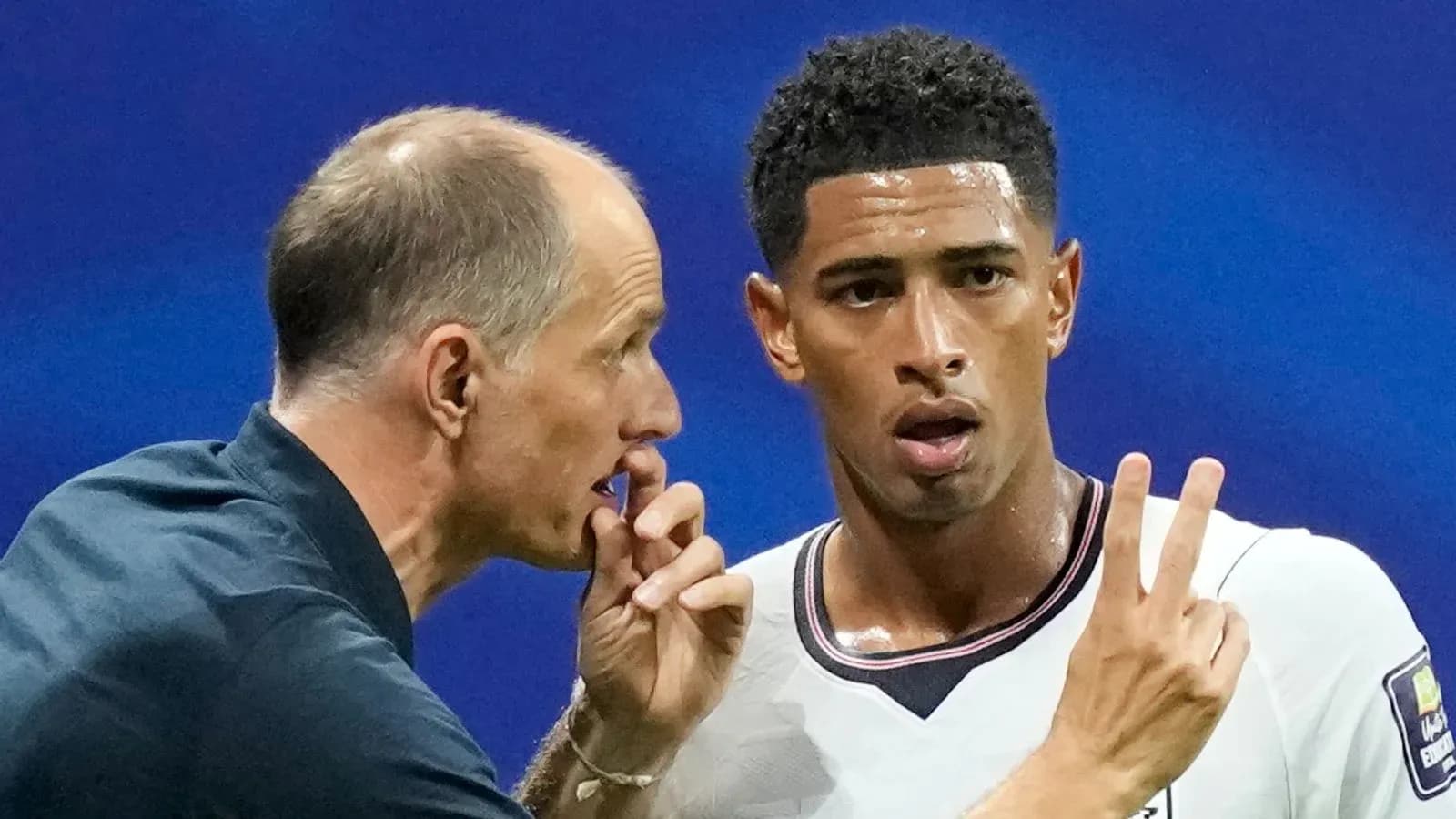

Thomas Tuchel's Gamble: England's World Cup Semi-Final Collapse
Thomas Tuchel came to this World Cup as England’s gambler-in-chief. He picked a squad few others would have dared to assemble, rode out a backs-to-the-wall win over Mexico, and started Morgan Rogers in a World Cup semi-final on what he called “a feeling from the coach.”
For a while, it looked like the jackpot.
Rogers streaked down the left, whipped in a cross, and Anthony Gordon arrived to slam England into the lead. Another roll of Tuchel’s dice had come up six. The first draft of a famous night was already being written.
Then came the substitution. And with it, the collapse.
The turning point
On 71 minutes, with England leading Argentina and the stadium humming with a sense of history, Gordon’s number went up. Ezri Konsa came on. The back four became a back five. England retreated.
It was a decision that felt cautious in real time, not just in hindsight. A team that had already begun to freeze suddenly stepped fully into the cold.
The numbers tell the story. England have now scored first in seven of the 13 knockout games they have lost in the last 30 years. They are the only side this century to take the lead in a World Cup semi-final and fail to reach the final – and they have now managed that unwanted feat twice.
This one will sting for a long time.
After Gordon’s goal, England saw just 17 per cent of the ball in the next 15 minutes and had only nine touches in Argentina’s half. The warning lights were flashing. Yet Tuchel doubled down on defence.
Argentina were pushing, but Jordan Pickford had still not been worked seriously beyond Nico Gonzalez’s header. England were under pressure, but not drowning. The change helped push their heads under.
A plan that backfired
Konsa’s arrival and the switch to a back five did not just deepen England’s anxiety. It stripped them of their most direct outlet. Gordon, the one player who could run Argentina back towards their own goal, was gone.
Rogers, who had been so influential wide on the left, was now shunted into a role behind Harry Kane, nominally alongside Jude Bellingham. From the moment the shape changed to the moment Lautaro Martinez struck the winner, Rogers had one touch. One.
In those 21 minutes, England’s possession sank to 7.2 per cent. They touched the ball eight times in Argentina’s half. They did not deliver a single cross.
Tuchel’s blueprint was clear enough. Djed Spence and Reece James as aggressive wing-backs in the 3-4-3 he has trusted for much of his career, springing out on the break. On paper, it made sense.
On grass, it never materialised. Between them, James and Spence managed just one touch in Argentina’s half for the rest of the game. England’s shape said “counter-attack”; their reality said “camp in and hope.”
And with so few white shirts up the pitch, the ball kept coming back. Straight to the feet of the best player of all time, desperate to get involved.
Lionel Messi did not need a second invitation. Argentina built attack after attack, England unable to hold the ball or clear their lines with any conviction. Konsa, brought on to add security, never won possession back once. He did, however, lose it five times.
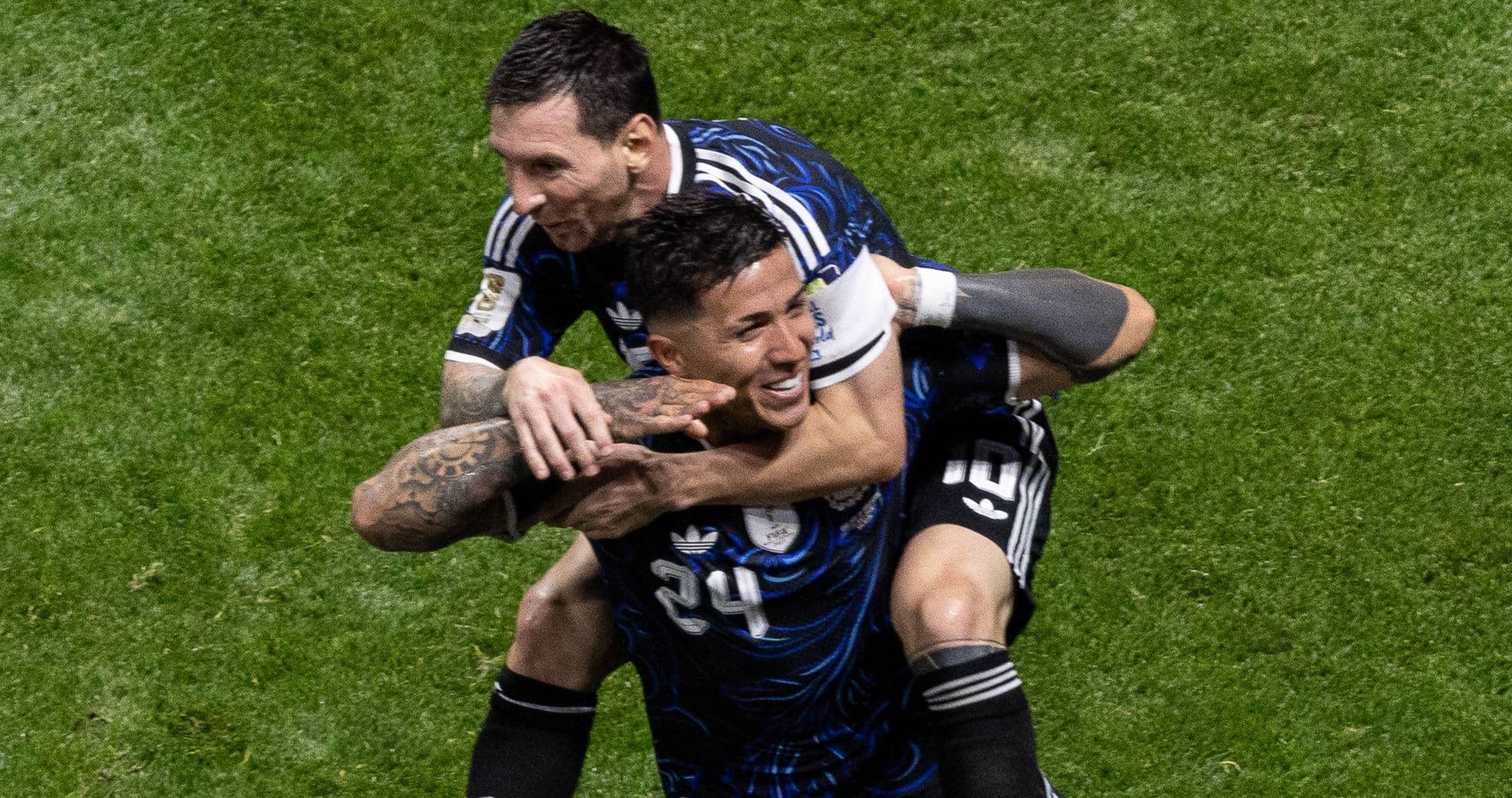
The pressure finally told. Messi turned provider for both Argentina goals, the punishment for England’s retreat arriving with brutal inevitability.
A coach frozen in the moment
Tuchel has built his reputation on in-game clarity. He has often been the coach who spots when his first idea is failing and has the courage to rip it up.
Not here.
As Argentina surged and England shrank, the head coach looked as stuck as his players. The later introductions of Dan Burn and Nico O’Reilly only reinforced the sense of a team reacting to events rather than shaping them. The attacking options stayed largely unused while the tide rolled in.
Maybe the Mexico game lingered too strongly in Tuchel’s mind. England had survived with 10 men in the Azteca, defending their box, winning duels, heading away crosses. That night, the gamble on resilience paid off.
But Mexico had telegraphed their plan: balls into the area, territory, aerial bombardment. Argentina are built on something else entirely. On angles, on passing, on Messi. To invite that side onto you is not brave. It is reckless.
When Tuchel was hired, the brief was clear. Take England beyond what Gareth Southgate had managed. Southgate’s England beat the teams they were expected to beat and faltered when the odds tilted against them. Tuchel was supposed to change that storyline.
He hasn’t. Not yet.
There were signs earlier in the tournament that he might. The rousing half-time team talk against Croatia. The bold attacking changes. The perfectly timed defensive tweak in Mexico City. Those moments suggested England had finally found a coach who could solve games from the touchline when they turned hostile.
He has already committed to stay through Euro 2028. There will be time to reshape, to learn, to prove this was a painful lesson rather than a defining flaw.
But for the next two years, one decision will hang over him: the night England led Argentina in a World Cup semi-final, and their gambler put the chips on defence.