.svg&w=384&q=75 "Naijagoal logo")

Barcelona's Strategic Move: How Deco and Flick Turned Rodri's Transfer
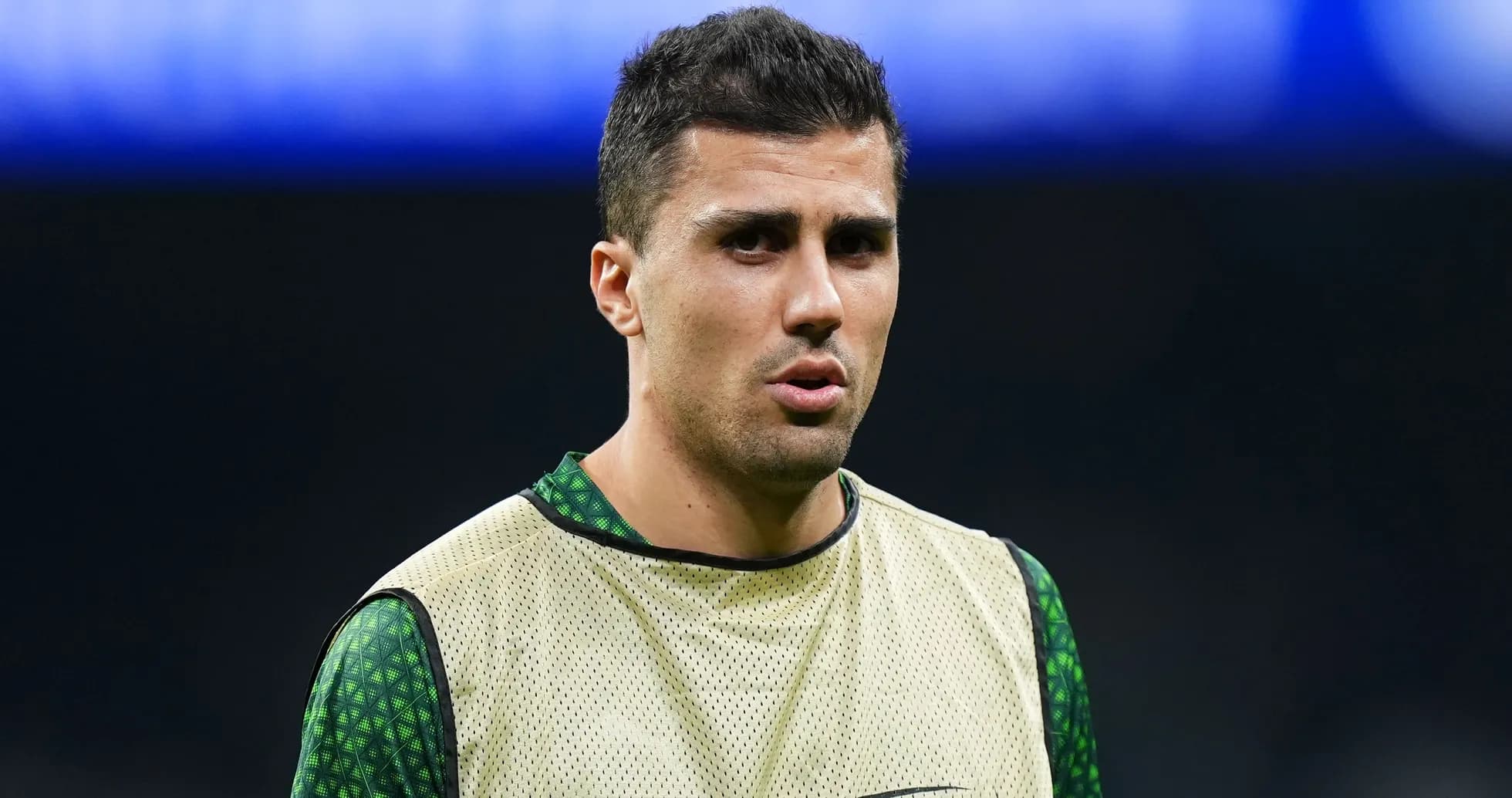
For weeks, the story seemed written. Rodri, the heartbeat of Manchester City and Spain, was drifting steadily towards Real Madrid. The Bernabéu had the edge, the player had listened, the path looked clear.
Then Barcelona slipped in through a side door.
What had been a Madrid-leaning operation was flipped in a handful of days, in near-total silence, by a club that knew it could not afford to lose another generational midfielder to their eternal rival. No leaks, no grandstanding, just a tight inner circle and a plan built on persuasion, not spectacle.
The day Deco changed his flight
The turning point came on Thursday, 30 July. On paper, it was routine. Deco, Barcelona’s sporting director, was due to fly straight from a short break in Croatia to England, where Hansi Flick and his staff were already with the squad preparing for pre-season friendlies.
He did not get on that flight.
Instead, Deco diverted back to Barcelona and stayed more than a day before eventually joining the team. Inside the club, eyebrows went up. Flick and his coaches were already on the ground in England; why was the sporting director delaying his arrival at such a delicate stage of preparation?
Because this was not a routine detour. The club had labelled the operation “strategic”. Deco used those hours for a high-level meeting on Rodri, following up on the initial contacts already made with the player’s camp. The question was simple: was there a real chance to wrest him away from Madrid’s grasp?
Barcelona decided there was. And they moved fast.
A wedding, a hotel, and a two-and-a-half-hour pitch
Timing helped them. Rodri happened to be in Catalonia at the end of July, attending a wedding on the Costa Brava. A social occasion turned into a sporting opportunity.
With secrecy demanded from all sides, a face-to-face was arranged. No cameras, no agents parading in hotel lobbies, no convenient “spotted” photos. Just Deco and Rodri, meeting in a luxury hotel for a conversation that would stretch to around two and a half hours.
Deco went to work. He laid out Barcelona’s sporting project in detail: the structure of the team, the evolution of the midfield, the leadership role mapped out specifically for Rodri. He relayed Flick’s technical vision, the way the German coach saw the Spaniard as the anchor and reference point for years to come.
Until then, Rodri’s path had tilted towards Real Madrid. He had listened to their offer, spoken with them, weighed up the attraction of the white shirt. But crucially, he had not given a definitive yes.
That hotel meeting shifted his calculations.
Flick on the line
Deco’s intervention was only the first wave. Once Barcelona sensed they had opened the door, Hansi Flick stepped through it.
The new coach took a hands-on role, placing several calls directly to Rodri. These were not courtesy conversations. Flick spelled out his tactical plan, explained where and how Rodri would fit, and underlined the leadership he expected from a midfielder he considers one of the best in the world.
Inside the club, there was a clear conclusion: at this stage of the tug-of-war with Real Madrid, the coach could not be a distant figure. He had to be present, audible, convincing. If Barcelona were going to overturn Madrid’s advantage, the player needed to feel not just wanted, but central.
Those calls reinforced the message Deco had delivered in person. The project was coherent, ambitious, and built around Rodri’s profile.
The hidden fixer
Behind the scenes, another figure was working quietly: Dani Codina, Barcelona’s head of player services.
His name never surfaced publicly in the negotiations, but his influence mattered. Codina had previously built a relationship with Rodri during the midfielder’s time at Manchester City, and the two had grown close. That personal bond gave Barcelona something Madrid did not have: a trusted internal voice who could bridge the gap between club and player.
Codina helped arrange the clandestine meeting between Deco and Rodri. He was also instrumental in shaping the environment around the talks, making sure the player felt comfortable with the Catalan project and the people driving it.
While presidents and sporting directors draw the headlines, it was this network of trust that allowed Barcelona to operate in near-complete silence.
Silence, then the call
The days that followed were defined by discretion. No strategic leaks, no carefully placed briefings. Barcelona and Rodri’s representatives stayed in close contact, but the curtain remained firmly closed.
Then, last Thursday, came the moment the club had been waiting for.
A call arrived from Rodri’s camp. The message: the project had convinced the player. Discussions had reached an advanced stage. The work of Deco, Flick, Codina and the rest of the inner circle had turned what looked like Madrid’s deal into Barcelona’s opportunity.
A series of calls, one crucial hotel summit, and a web of trusted relationships had changed the direction of one of the summer’s most significant transfer battles. Real Madrid, who only days earlier held the upper hand, suddenly found themselves pushed out of the lead.
A strategic blow in the eternal duel
Now, only the final touches remain. The framework is in place, the will of the player is aligned, and Barcelona see Rodri as a cornerstone in the rebuilding of their midfield — a figure of experience, authority and continuity in a department that has struggled to replace its legendary predecessors.
For Barcelona, this is about more than signing an elite midfielder. It is a statement inside the eternal rivalry. To prise a player of this calibre away from a race Madrid thought they were winning would land a heavy blow on their rivals’ plans and send a clear message about who still has the power to shape the future of Spanish football’s centre circle.
The question now is not how Barcelona turned the deal around.
It is how much this single operation will redefine the balance of power between the two giants in the seasons to come.