.svg&w=384&q=75 "Naijagoal logo")

Americans at a Crossroads in Europe: Tillman, Aaronson, Robinson, Pepi
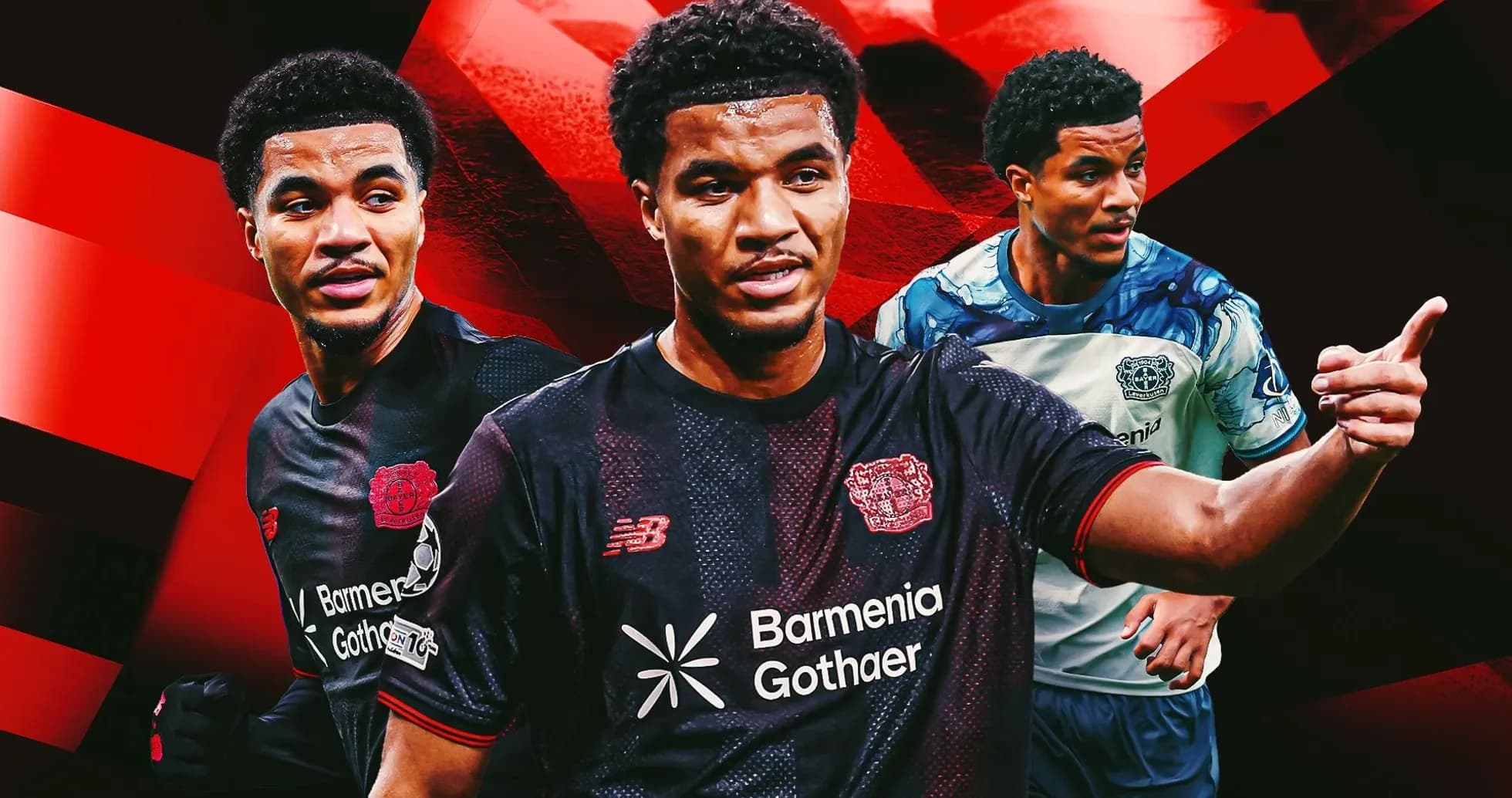
Malik Tillman walked out of the World Cup with his reputation sharpened. Mauricio Pochettino had taken the elegant No.10 who once floated between the lines at PSV and pushed him deeper, turning him into a No.8 who hunted the ball and drove it up the pitch. The tricks stayed, the swagger stayed – and those two outrageous free kicks carved his name into USMNT folklore – but the job description changed.
Now he returns to a club that barely resembles the one he joined a year ago.
Twelve months back, Bayer Leverkusen were still basking in the glow of breaking Bayern Munich’s grip on the Bundesliga and looking like a side built for Champions League nights. That version has vanished. Last season’s flat, joyless campaign dumped them into the Europa League and left the squad looking drained rather than dominant.
Tillman got caught in that malaise. Six goals and one assist across all competitions is a modest return for a player of his talent, and he never quite imposed himself as the creative heartbeat or the relentless presser he’d hinted he could be.
So this season becomes a reset.
Carles Martínez Novell arrives from Toulouse with a reputation for making a little go a long way. Four years of coaxing progressive, front-foot football out of limited resources in France have earned him this step up. It’s the kind of appointment that suits Leverkusen’s current reality: a coach on the rise at a club that needs to rise again.
For Tillman, it could be the ideal marriage. Martínez Novell wants his teams to play through the thirds, to commit bodies forward, to use midfielders who can both break lines and break presses. Tillman can do that as the new-look Pochettino-style No.8 or as an old-school No.10, closer to goal, with license to drift and create.
There is room for him here. Real room, not just minutes off the bench.
And the first test is gentle on paper. Elversberg, fresh to the Bundesliga, arrive as underdogs and potential cannon fodder. For Tillman, it’s a chance to set the tone: is he the player who drifted through last season, or the one who bent a World Cup to his will from midfield?
Aaronson’s endless engine, lingering questions
Brenden Aaronson remains one of the most intriguing puzzles in American football.
He runs. He presses. He sprints again. He tracks back, he pops up in pockets, he keeps asking for the ball. He has grown as a playmaker, too, slowly adding more nuance to the chaos. Yet the numbers still nag away in the background: 33 goals and 31 assists in 268 league matches. Solid, not spectacular. Respectable, not ruthless.
At Leeds, that tension has followed him around. There were moments when it felt like his time at Elland Road might simply fizzle out, his high-energy game not quite enough to secure a permanent place in the side.
Daniel Farke has seen something different.
The German has backed Aaronson, and this season the American looks set for a proper run as a starter in a system that leans heavily on work rate and structure. His first outing of the campaign, a 1-0 win over Nottingham Forest, fit the pattern of his career so far.
No chances created, no goal, no assist. But the numbers behind the ball told another story: seven defensive contributions, 14 sprints, six ball recoveries. Classic Aaronson. Tireless, tidy, always on the move, always giving his full-back cover and his midfield an outlet.
The old question refuses to go away: is that enough?
Leeds have tried to answer it in the market. Harry Wilson’s arrival on the right wing brings a left-footed threat and set-piece quality that should ease the creative burden on Aaronson. It might free the American to play with a little less weight on his shoulders, to pick his moments rather than feel like he has to do everything.
But Leeds still need more in the final third. The structure is there, the effort is there. The spark is not always guaranteed.
Brentford, drilled and disciplined, will expose any lack of cutting edge on Sunday afternoon. Aaronson will run, he will press, he will help Leeds control large chunks of the game. The next step in his career, though, demands something more ruthless: a decisive pass, a cold finish, a moment that turns a hard shift into a match-winning performance.
Robinson, chaos, and a harsh lesson from Cole Palmer
Alvaro Arbeloa’s first game in charge of Fulham was wild.
The Cottagers lost 3-2 to Chelsea, but the scoreline barely scratched the surface of what unfolded. Fulham threw bodies forward, unleashed their young, creative players, and embraced the kind of “controlled chaos” that Arbeloa seems determined to cultivate in the final third.
For a manager who struggled to navigate the egos and tactical demands of Real Madrid, this feels like a better fit: a talented, hungry squad willing to run and risk.
Antonee Robinson sits right at the heart of that idea.
The USMNT left-back has always been at his best when he’s allowed to fly forward, overlap aggressively, and play as an auxiliary winger. Arbeloa wants exactly that from his full-backs. Against Chelsea, Robinson obliged, and the numbers underlined it: he completed more line-breaking passes than Fulham’s left winger, Cesar Palacios.
He was brave on the ball, ambitious in his positioning, and a constant outlet.
The problem? Cole Palmer.
Chelsea’s playmaker delivered a clinic on the night, drifting into pockets, turning sharply, and dragging Robinson into uncomfortable areas. The Fulham defender spent long stretches chasing shadows as Palmer pulled strings, and the highlight reel did him few favours.
So Robinson walks into the next game with a split report card: exciting going forward, exposed going the other way.
Sunderland now await, and their situation adds another layer. The Black Cats somehow muscled their way into Europe last season and now have to juggle domestic demands with a looming Europa League schedule. Rotation, fatigue, and divided focus are all in play.
On paper, they look vulnerable – exactly the sort of opponent a high-energy, front-foot Fulham side should relish. For Robinson, it’s a chance to reassert his defensive authority without losing the attacking edge Arbeloa clearly wants from him.
If Fulham are going to live in chaos, their left-back has to prove he can thrive in it at both ends of the pitch.
Pepi, stuck in place but still central to PSV
Ricardo Pepi arrived at the World Cup with a clear target in sight: win the starting striker role in a straight fight with Folarin Balogun. It never happened. Around 200 minutes on the pitch, no goals, no assists. A tournament that was supposed to launch him instead left him stalled.
The months since have felt just as uneven.
In January, he hovered on the brink of a Premier League move, his name tied to a step up that seemed to match his trajectory. Then came the broken arm. The transfer never materialised. He went back to scoring for PSV, doing his job, but not quite breaking through the ceiling everyone expected him to smash.
This summer, the big move stayed theoretical again. No Premier League, no new league, no reset. Just more goals in Eindhoven and the nagging sense that he’s running on a treadmill rather than sprinting up the ladder.
PSV, though, are not complaining.
Pepi is their main man up top, the focal point of an attack built to dominate domestically and compete in the Champions League. They have a title to defend and European nights to prepare for, and they need their No.9 to keep producing.
So far, he has. Two goals in three league games underline a simple truth: whatever is happening around his career, Pepi is still scoring. He has also found the net in his last two outings, a small but important reminder of his rhythm.
Next up is Utrecht at home, a fixture PSV should control. Another goal, another sharp performance, and suddenly the narrative shifts. The questions about stalled moves and missed chances don’t disappear, but they get quieter.
For Tillman, Aaronson, Robinson, and Pepi, this season offers the same challenge in different colours: turn promise and hard running into something more concrete. The talent is not in doubt. The stage is set. Who turns potential into power?