.svg&w=384&q=75 "Naijagoal logo")

Australia vs Egypt: A World Cup Clash in Dallas
In the Texan heat of Dallas, two very different football stories intersect with the same prize dangling just out of reach: a likely shot at Argentina in the round of 16.
Australia and Egypt arrive at this World Cup round of 32 clash with matching résumés on paper – both second in their groups, both hardened by narrow margins – but with sharply contrasting identities. One built on collective graft and discipline, the other on the star power and cutting edge of Mohamed Salah.
Only one of them walks away with their tournament truly alive.
Socceroos walking the tightrope
Australia know exactly where they stand. One eye might be tempted to wander toward the prospect of Lionel Messi and Argentina, but they cannot afford it. Not here.
Their path to Dallas has already shown how thin the margins are. A sharp 2-0 win over Turkey to open the campaign suggested momentum, structure, and belief. That was checked almost immediately by a 2-0 defeat to the USA, a reminder that any lapse in intensity gets punished at this level.
Then came the grind. A goalless draw with Paraguay, a match that never quite opened up but mattered enormously. It left Australia locked on points with the South Americans, sneaking through on goal difference rather than flair. Functional, not flamboyant. Effective, not extravagant.
Leadership has become a quiet theme of this campaign. Harry Souttar, thrust into the captain’s role, has had to grow quickly. His presence at the back, his aerial command, and his responsibility in big moments now shape how this Australian side carries itself. The Socceroos are not a team of stars; they are a unit that leans heavily on structure, concentration, and the willingness to suffer without the ball.
Egypt lean on their talisman
On the other side stands Egypt, a team that rarely does anything the easy way but almost always feels dangerous. They too finished second in their group, level on five points with Belgium in Group G and separated only by goal difference.
Their route was defined by control and calculation. A draw with Belgium. A draw with Iran. A win over New Zealand. Nothing spectacular, but always competitive, always in the game. Salah and his teammates did just enough, then trusted their defensive resilience and attacking flashes to carry them through.
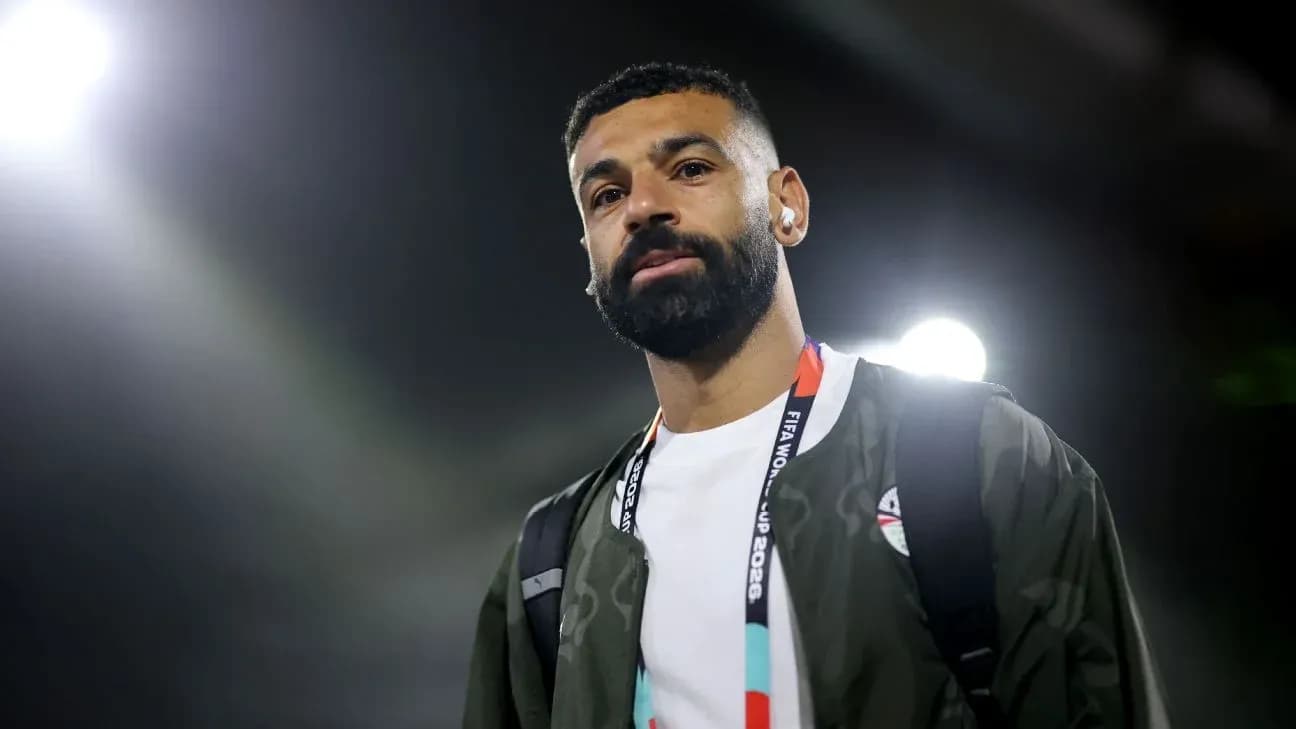
The biggest boost arrives in the form of their captain and superstar. Mohamed Salah has recovered from a hamstring issue in time for this tie, and his presence changes everything. With him on the pitch, Egypt carry a different kind of threat – the sort that forces defenders to drop a yard deeper, the sort that turns half-chances into panic.
Egypt know this stage. They have lived on the knife-edge of tournament football for years, often dragged forward by Salah’s brilliance and an uncompromising defensive spine behind him.
History offers few clues
For all the noise around this match, the fixture itself is a rarity. This will be only the third meeting between the two nations.
Egypt have the most recent bragging rights, a 3-0 friendly win back in 2010 that underlined their technical superiority at the time. The other encounter, at the 1987 President's Cup in South Korea, offered a very different story: a 0-0 stalemate and an Australian victory on penalties.
That split history mirrors the present. Egypt, with Salah, carry the aura. Australia carry the stubbornness.
What’s at stake in Dallas
Strip away the narratives and the equation is brutally simple. Win, and a likely clash with Argentina awaits in the round of 16. Lose, and all the work – the cautious draws, the hard-fought clean sheets, the recovery from injuries – evaporates in 90 minutes.
For Australia, it is about staying in the moment, not the marquee tie that might follow. For Egypt, it is about turning Salah’s return into something tangible, something that justifies the risk and the wait.
Dallas will decide which story continues and which one stops dead.