.svg&w=384&q=75 "Naijagoal logo")

2026 World Cup Day 23: Knockout Matches in Dallas, Miami, and Kansas City
Day 23 at the 2026 World Cup doesn’t ease in. It hits full stride and stays there.
Australia vs Egypt – Nerves, history and a hamstring in Dallas
Dallas opens the day with a matchup that carries more tension than pedigree. Australia and Egypt arrive with modest histories, but both stand on the brink of something neither nation has ever tasted: a World Cup knockout win.
Australia slipped out of Group D on four points, a team that never quite dazzled yet never folded. They beat Turkiye 2–0, lost to the United States, then ground out a 0–0 against Paraguay. Functional, not flashy. But in tournament football, functional survives.
Egypt’s route from Group G looked steadier on paper – five points and top-end quality in the squad – but the picture changed the moment Mohamed Salah grabbed his hamstring in the group finale against Iran. He was forced off, the kind of image that can drain belief from a dressing room in seconds. Head coach Hossam Hassan remains optimistic his captain will play. If Salah is sharp, Egypt can carry a threat. If he is not, the attack suddenly looks thin, predictable, easier to cage.
This is the sort of tie that often gets decided by a single mistake or a single moment of bravery. Which brings us to the most unlikely central figure in Dallas: a 26-year-old goalkeeper with five caps.
Tony Popovic stunned Australian fans before the tournament by dropping long-time No. 1 and former captain Matthew Ryan for Melbourne City’s young keeper, Beach. It felt like a gamble bordering on reckless. It has aged very well.
Beach produced a standout display in the win over Turkiye, then followed it with a second clean sheet against Paraguay. He looks calm, decisive, unfazed by the stage. He will have to be again. Egypt may not pepper the goal if Salah is limited, but the chances they do create will be loaded with pressure. One slip, one misjudged cross, and Australia’s campaign can vanish.
History sits in the stands for this one. Neither country has ever won a World Cup knockout match. Ninety minutes – or 120, or penalties – to change that forever.
Argentina vs Cape Verde – The champions and the dreamers in Miami
From jeopardy in Dallas to pure theatre in Miami. Argentina, the defending champions, arrive like a machine; Cape Verde, the World Cup’s storybook underdog, walks into the noise with nothing to lose and everything to remember.
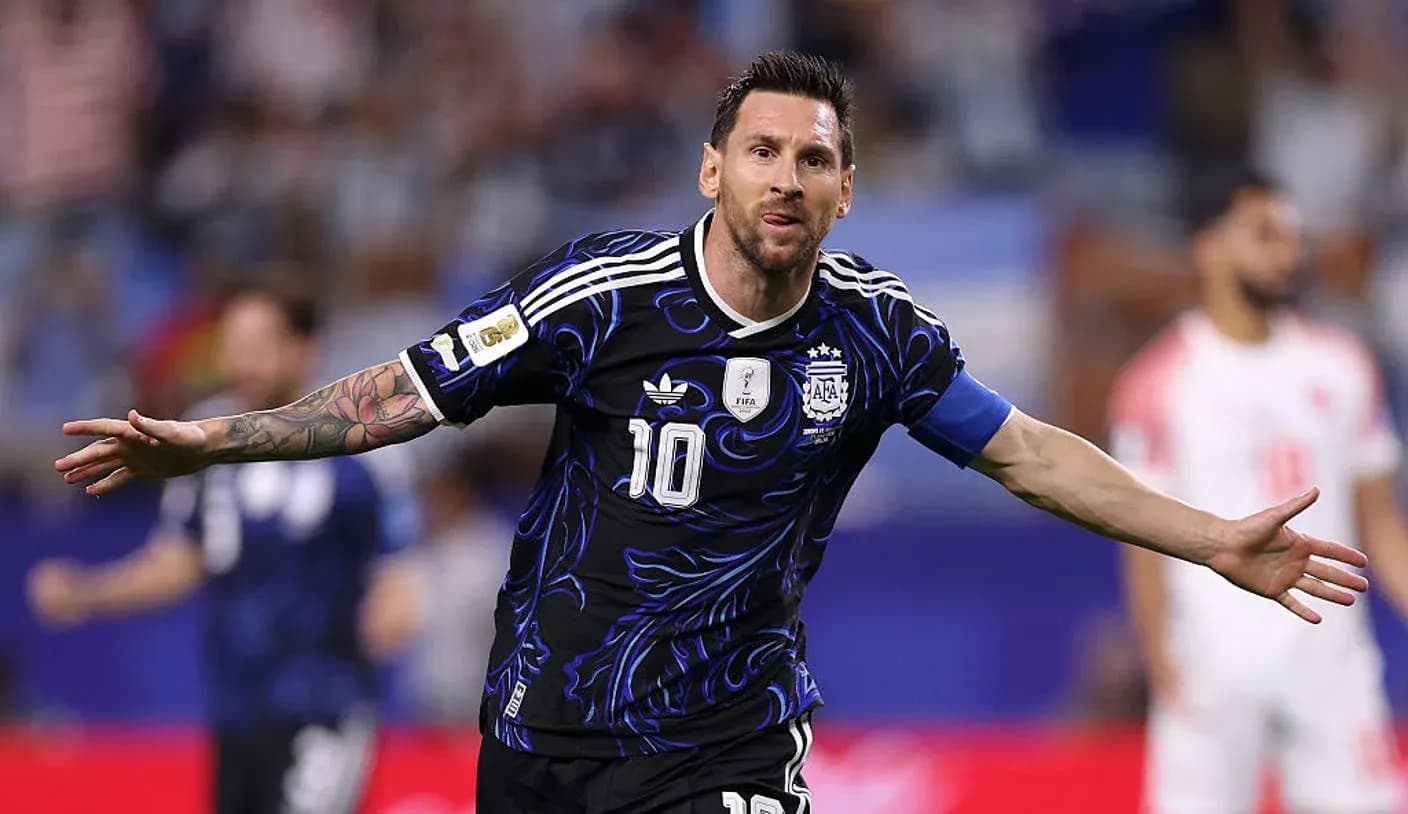
Argentina crushed Group J. Three games, three multi-goal wins, no hint of a stumble. They have now won 10 straight matches, and Lionel Messi, at 39, sits tied atop the tournament scoring charts with six goals. The numbers sound fictional. They are not.
Cape Verde’s tale runs on a different current. Three draws, unbeaten, and a place in the Round of 32 that few outside their camp seriously predicted. They held Spain to 0–0, a result that sent a jolt through the tournament and announced that the Blue Sharks were not simply here to swap shirts and take photographs.
Vozinha has been at the heart of it. The Cape Verde goalkeeper has repelled waves of pressure, commanded his box, and given his defenders something priceless: trust. His reward is a date with the most ruthless attack in the competition and the greatest player of his generation.
There is no need to overcomplicate the “player to watch” conversation. It is Messi. Still.
He has 19 World Cup goals now, a number that feels like it belongs to a different era. He is not a nostalgia act, not a ceremonial captain drifting through his final dance. He is driving this Argentina team, still slipping into pockets, still choosing the right pass or the right shot more often than anyone else on the pitch.
Cape Verde will try to compress space, to deny him angles, to crowd him with legs and bodies and hope. Spain could not find a way past Vozinha. Almost everyone else has failed to keep Messi off the scoresheet. Something has to give.
The gap in class is obvious, but so is the romance. A defending champion at full throttle against a nation that has already rewritten its own footballing history. Miami gets a night that could either become another chapter in Messi’s legend or the greatest upset the Blue Sharks will ever know.
Colombia vs Ghana – Silk against sandpaper in Kansas City
The day closes in Kansas City with a clash of styles that could turn cagey, nasty, or unexpectedly brilliant.
Colombia emerged from Group K with authority. Wins over Uzbekistan and DR Congo, a scoreless draw with Portugal, and an attack that looks as fluid as any in the tournament. Luis Díaz stretches the field, James Rodriguez stitches it together, and the team moves with a confidence that suggests it expects to be here deep into July.
Ghana arrives from a very different angle. One of the third-place qualifiers out of Group L, they survived not by overwhelming opponents but by stripping games down to the bare minimum. Carlos Queiroz has tightened the back line quickly, restoring the discipline that has defined so many of his teams. Across the entire group stage, Ghana managed just 15 shots. That number tells you almost everything: this is a side that embraces the grind.
Colombia are heavy favorites. On paper, the gulf in attacking intent is stark. On grass, it may look like something else entirely. Ghana’s physical, low-event approach can turn a flowing match into a slog. Fouls, breaks in play, long balls, second balls. They will try to disrupt rhythm, slow the tempo, and drag Colombia into a fight instead of a football exhibition.
In the middle of it all stands James Rodriguez, Colombia’s captain and emotional barometer. His club career has not followed the arc many once imagined, but the national team remains his stage. He still sees passes others don’t, still controls the pace when given time and space.
Here, the challenge is more than technical. He must lead. He must absorb the fouls, the delays, the frustration, and keep Colombia’s head clear. Ghana will test his patience as much as his touch.
Three games. Three very different tests. A new knockout-round milestone in Dallas, a world champion and a dreamer colliding in Miami, and a late-night chess match in Kansas City.
For some, this is the day the World Cup truly starts. For others, it might be the day it ends.