.svg&w=384&q=75 "Naijagoal logo")


Argentina Triumphs Over Cape Verde in World Cup Round of 32
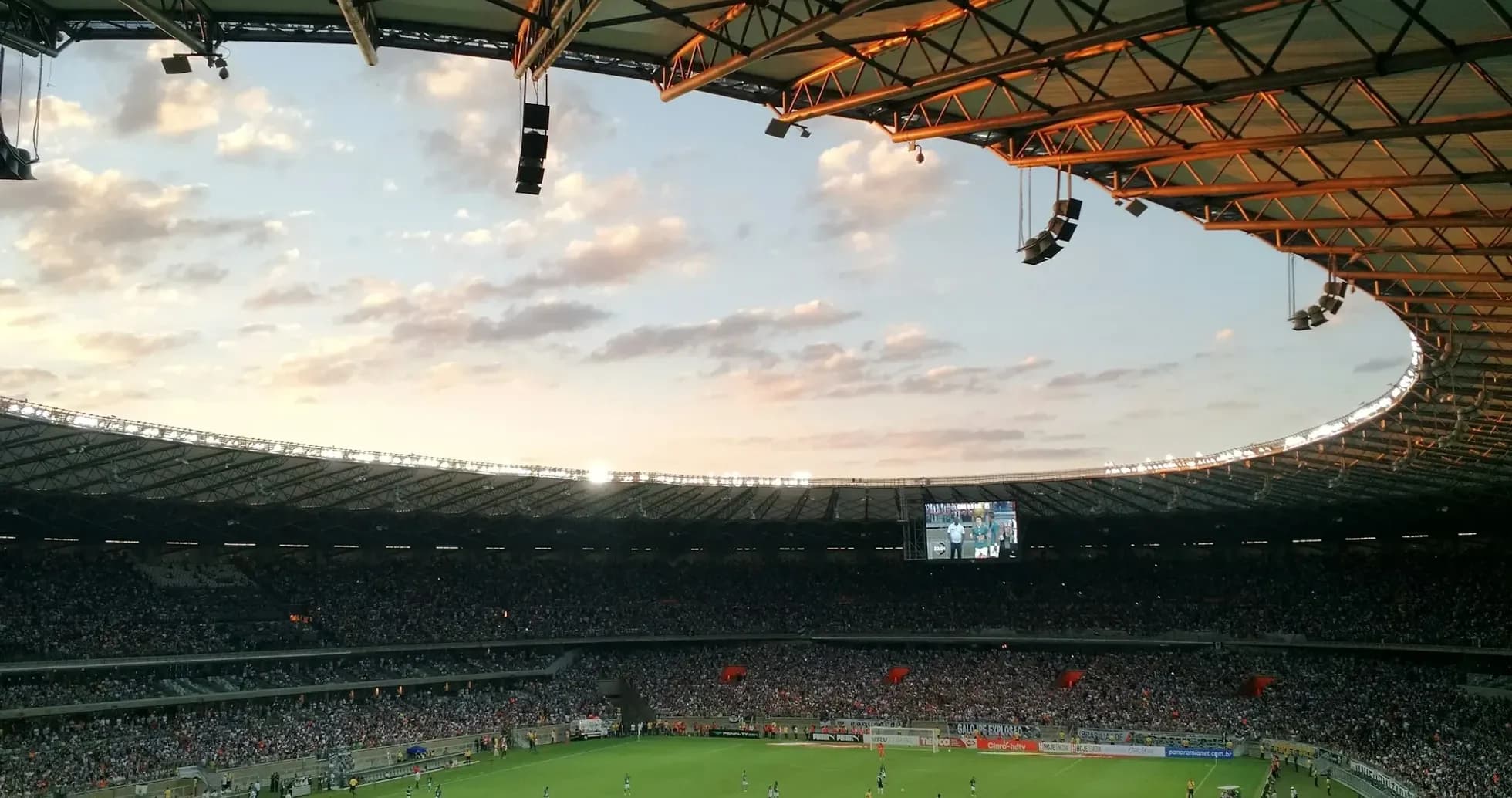
Under the Miami lights at Hard Rock Stadium, Argentina and Cape Verde Islands dragged each other through 120 minutes of World Cup tension, a Round of 32 tie that finished 2–1 after extra time and never needed penalties. It was a meeting of opposites: the reigning group juggernaut against a stubborn survivor, an Argentina side that had swept Group J with three wins from three, and a Cape Verde team that had drawn its way out of Group H.
Heading into this game, the numbers painted Argentina as a machine in motion. Overall this campaign they had played 4 matches, winning all 4. At home venues they had played 3 times and won all 3; on their travels they had played once and won that as well. They had scored 11 goals in total and conceded 3, giving them an overall goal difference of +8, built on an attacking output of 2.8 goals per game and a defensive average of 0.8 goals conceded. At home, that profile sharpened: 8 goals scored and 2 conceded for a home goal difference of +6, with 2.7 scored and 0.7 conceded per game. Even their biggest wins – 3-0 at home, 1-3 away – suggested a side comfortable dictating the script.
Cape Verde arrived with a different identity. Overall they had played 4 matches without a single win, drawing 3 and losing 1. On their travels they had played 3 times, drawing 2 and losing 1, scoring 4 and conceding 5 away for an away goal difference of -1. Their total goal record of 4 scored and 5 conceded (overall goal difference -1) spoke of fine margins: 1.0 goal for per game, 1.3 against. They had, however, kept 2 clean sheets in total and failed to score twice, a profile of a side that oscillates between defensive solidity and attacking silence.
The tactical shapes on the night reflected those identities. Lionel Scaloni doubled down on Argentina’s preferred 4-4-2, a structure they had used in all 4 matches this tournament. Emiliano Martinez anchored the side behind a back four of Nahuel Molina, Cristian Romero, Lisandro Martinez, and Facundo Medina. In front of them, Rodrigo de Paul, Alexis Mac Allister, Enzo Fernandez, and Thiago Almada formed a fluid midfield line, with Lionel Messi and Lautaro Martinez paired as dual forwards.
This was not a conservative 4-4-2; it was a platform for overloads. De Paul’s positioning on the right of midfield and Molina’s overlapping runs threatened to pin back Cape Verde’s left side, while Almada’s tendency to drift inside from the left lane invited Medina to push up and create a pseudo-back-three in build-up. Messi, notionally a forward, was always likely to drop between the lines, turning the shape into a 4-4-1-1 in possession and asking Lautaro Martinez to stretch the last line.
Pedro Leitao Brito answered with Cape Verde’s now-familiar 4-1-4-1, a formation they had used in all 4 of their matches. Vozinha started in goal, shielded by a back four of S. Moreira, R. Lopes, D. Borges, and S. Lopes Cabral. K. Lenini sat as the single pivot, with R. Mendes, L. Duarte, D. Duarte, and J. Cabral strung across the midfield band, and N. Da Costa alone up front.
The Cape Verde structure was designed to compress central spaces and survive waves of pressure. Lenini’s role as the screening midfielder was critical: he had to slide across to Messi’s side when the Argentine captain dropped off, while also tracking the runs of Fernandez and Mac Allister from deep. The wide midfielders, J. Cabral and R. Mendes, were tasked with double duty: closing Argentina’s full-backs while springing forward to support N. Da Costa on transitions.
Discipline and timing were always going to be a subtext. Argentina’s yellow-card profile this tournament was unusually back-loaded: all of their cautions had come late, split evenly between 76-90, 91-105, and 106-120 minutes, each window accounting for 33.33% of their total. That hinted at a side that tightens the screw as matches wear on, sometimes stepping over the line in the closing stages. Cape Verde, by contrast, had shown an early edge: 40.00% of their yellows arrived in the opening 0-15 minutes, with another 20.00% between 16-30. They tended to front-load their aggression, then manage the game more cautiously until another spike in the 61-75 and 91-105 windows.
Those card patterns intersected intriguingly with the match’s 120-minute arc. Argentina’s willingness to escalate intensity late dovetailed with Cape Verde’s fading physical and mental reserves after an hour, precisely the phase when a 4-1-4-1 can begin to sag between the lines. The longer the tie stretched, the more it suited Scaloni’s side, who had already shown they could maintain tempo deep into extra time.
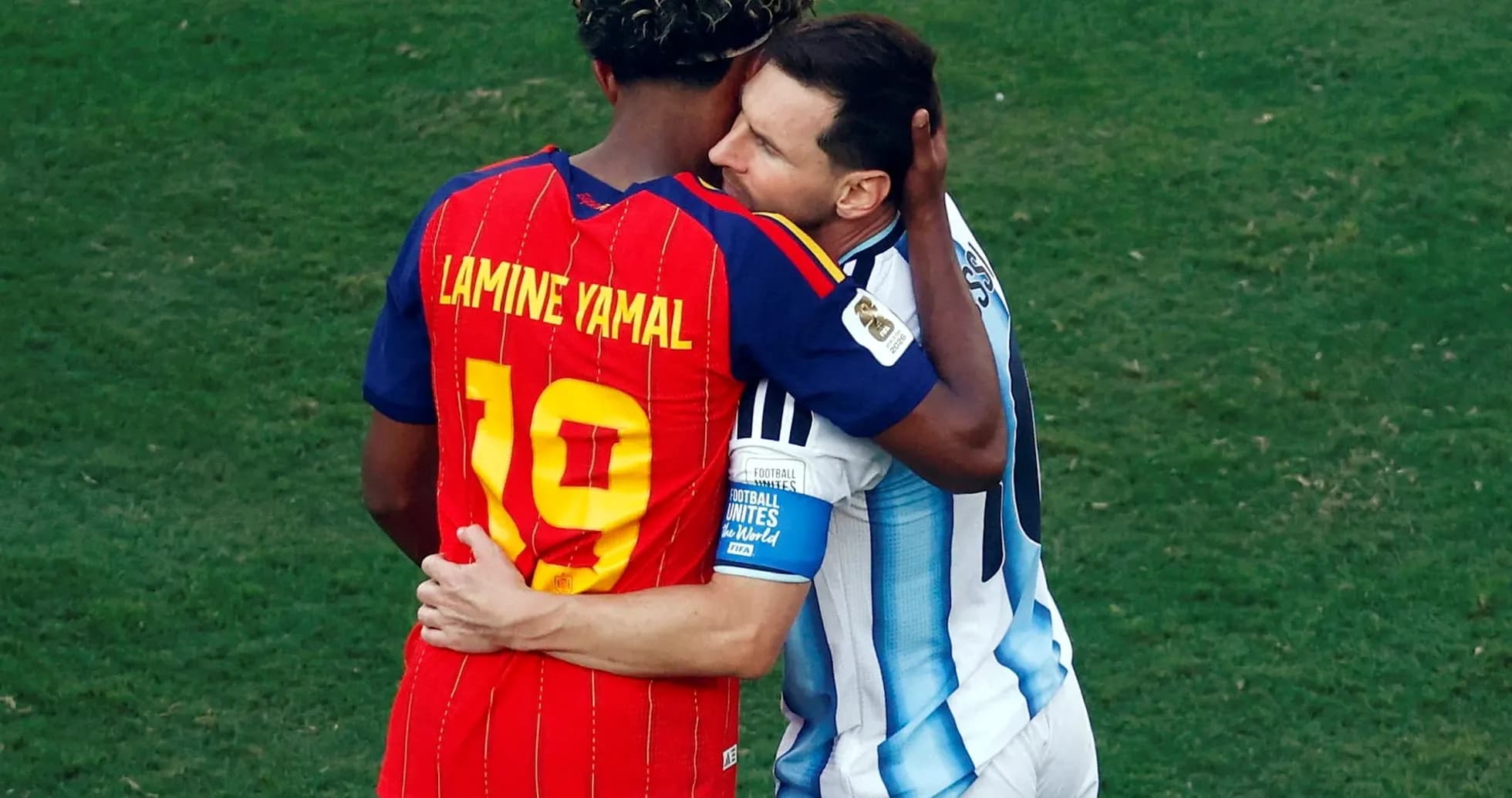
The “Hunter vs Shield” duel was always going to revolve around Messi. Heading into this game, he led the World Cup scoring charts with 7 goals in 4 appearances, firing 22 shots with 15 on target and crafting 10 key passes. His 9.28 average rating underlined his all-phase influence: 141 passes completed with 80% accuracy, 5 successful dribbles from 11 attempts, and 11 fouls drawn. The one blemish was from the spot: Messi had missed 1 penalty this tournament, and with Argentina as a team having taken 2 penalties in total, scoring 1 and missing 1, there was no illusion of perfection from twelve yards.
Cape Verde’s “shield” was collective rather than individual. Their away defensive average of 1.7 goals conceded per game and the heaviest away defeat of 3-2 showed they could be opened up, but rarely without resistance. The double-Duarte axis, L. Duarte and D. Duarte, had to compress space around Messi, while R. Lopes and D. Borges were tasked with tracking Lautaro Martinez’s runs and defending the box against cut-backs and second balls.
In the engine room, Enzo Fernandez and Alexis Mac Allister against Lenini and the interior midfielders was the battle that determined territory. Fernandez’s ability to step into the right half-space and Mac Allister’s timing between the lines threatened to pin Cape Verde’s 4-1-4-1 deep, turning it into a 4-5-1 and leaving N. Da Costa isolated. For Cape Verde, the out-ball to J. Cabral or R. Mendes was essential to escape, using their wide midfielders to drag Argentina’s full-backs backwards and buy breathing room for Lenini.
Statistically, the prognosis before a ball was kicked tilted heavily sky blue and white. Argentina’s overall clean-sheet count of 2 and their failure to score in 0 matches underscored a side that almost always imposes itself. Cape Verde’s 2 total clean sheets and 2 matches without scoring hinted at volatility: they could hold firm, but if they conceded first, their attacking limitations might be exposed.
Over 120 minutes, that script broadly held. Argentina’s structural superiority, late-game intensity, and the individual genius of Messi eventually broke Cape Verde’s resistance, even as the underdogs stretched the contest to its physical and emotional limits. In the end, the Round of 32 tie became a microcosm of both teams’ campaigns: Argentina relentless and ruthless in extra time, Cape Verde organized, brave, but ultimately a step short against the tournament’s most finely tuned machine.