.svg&w=384&q=75 "Naijagoal logo")

World Cup Fever in Los Angeles: A Personal Journey
Los Angeles is a long way from Wembley, but the question from home never changes. “So, is there World Cup fever over there?”
You hear it in every WhatsApp message, every hurried call from a grey English evening to a sun‑blasted Californian morning. People want a sweeping, cinematic answer – flags in every window, strangers high‑fiving in the street, wall‑to‑wall coverage on TV. The truth is more prosaic, and somehow more interesting.
A World Cup in the Gaps
Two decades have passed since I last found myself in the host country for a major tournament outside England. Germany 2006 was chaos and joy and steins of beer that never seemed to empty. Ian, Matt, Oli and I drove from town to town, following the carnival rather than the schedule, dancing with Trinidad and Tobago fans, turning down Brazil v Australia tickets because the hangover and the midday sun formed a tighter press than any back four.
This time, it’s work. Deadlines, running orders, hotel Wi-Fi that collapses the moment you need to upload a podcast. The romance has been replaced by accreditation lanyards and production meetings, yet the game still finds its way in through the cracks.
The US is so vast it almost mocks the idea of “tournament atmosphere”. Los Angeles alone feels like three countries stitched together with freeways. I tried to LimeGlide – a bike with no pedals and plenty of misplaced confidence – from West Hollywood to Santa Monica. One minute I was drifting along, sun on my face, wind in my hair. The next I was marooned on a dual carriageway in a no‑cycling zone, dragging an inert lump of metal through a hedgerow, miles from anything resembling a football crowd.
So the World Cup, for us, lives in a much smaller orbit. An hour between games means your world shrinks to a Trader Joe’s, the cafe over the road and a hotel pool full of influencers comparing abs and TikTok metrics, arguing over who’s on the guest list for the opening night of Nylon nightclub. Football, in theory, is miles away.
Yet step into the bars of West Hollywood and the picture changes. US shirts everywhere. A Bosnia top here, a Croatia scarf there. A quiet “Good luck later” tossed to a passing Bosnian as if it’s the most natural thing in the world. Not a nation gripped, but pockets of people utterly consumed.
Basketball First, Then the Ball at Their Feet
If anything, the early days belonged to basketball. You can’t move for Knicks and Spurs talk. I somehow became a Spurs fan by osmosis – bad timing, as it turned out. To pick them and then watch them cough up the biggest lead in NBA finals history (or something near enough) felt almost reassuringly on‑brand.
The most stirring moment of the trip so far didn’t even involve a ball at someone’s feet. Guardian Football Weekly listener – and, as an afterthought, mayor of New York – Zohran Mamdani delivered a speech at the Knicks parade that stopped me cold. He reeled off the names of basketball players I’d never heard of, yet the cadence, the conviction, the sense of a city and a sport colliding, raised the hairs on the back of my neck.
Then football finally landed.
The US win over Paraguay lit a fuse. Not among the blow‑ins and the day‑trippers, but among the lifers – the journalists, the broadcasters, the people who’ve carried the torch for this sport in a country that keeps telling them to care more about something else. Their relief was almost physical. This wasn’t just three points; it was another argument, another data point, another reason for the sceptics to take the game seriously.
In England, a World Cup triumph or a last‑32 exit barely shifts the dial. The game is already the dominant religion. For the US and Australia, a deep run changes things. A quarter-final, or better, can move football from niche to necessary. It’s a burden the players don’t need, but it sits on their shoulders all the same.
Fed Square, a Refugee and a Country Built on Others
The most emotional moment of the tournament for me didn’t happen in LA. It came via a screen, thousands of miles away, in my adopted home city of Melbourne.
Fed Square, heaving with green and gold, erupted as Nestory Irankunda – a refugee – took a touch and scored the kind of goal children dream about. The scene was pure, unfiltered joy. In an age of rising populism and nationalism, there was something quietly profound about it: a young man whose family fled conflict, now scoring for Australia, a country built on immigration, just like the US.
You don’t need a thinkpiece to explain why that matters. You just need to watch those faces in the crowd.
Connor Metcalfe’s reaction afterwards only added to the charm. Staring at his goal in the mixed zone, he delivered the most Australian review imaginable: “Far out that was far out, that was ick!” – or something close enough. You couldn’t script it, and you wouldn’t want to.
For reasons I can’t fully explain, I love the Socceroos in a way that jars with my feelings whenever Australia’s cricketers appear. Maybe it’s the underdog thing. Maybe it’s the sense that, for them, this sport is still scrapping for its place.
England at Arm’s Length
Distance from England has its perks. Over here, you’re spared the pub bores and phone‑in warriors obsessing over whether Thomas Tuchel belts out the national anthem. I doubt King Charles is losing sleep over it. Why should anyone else?
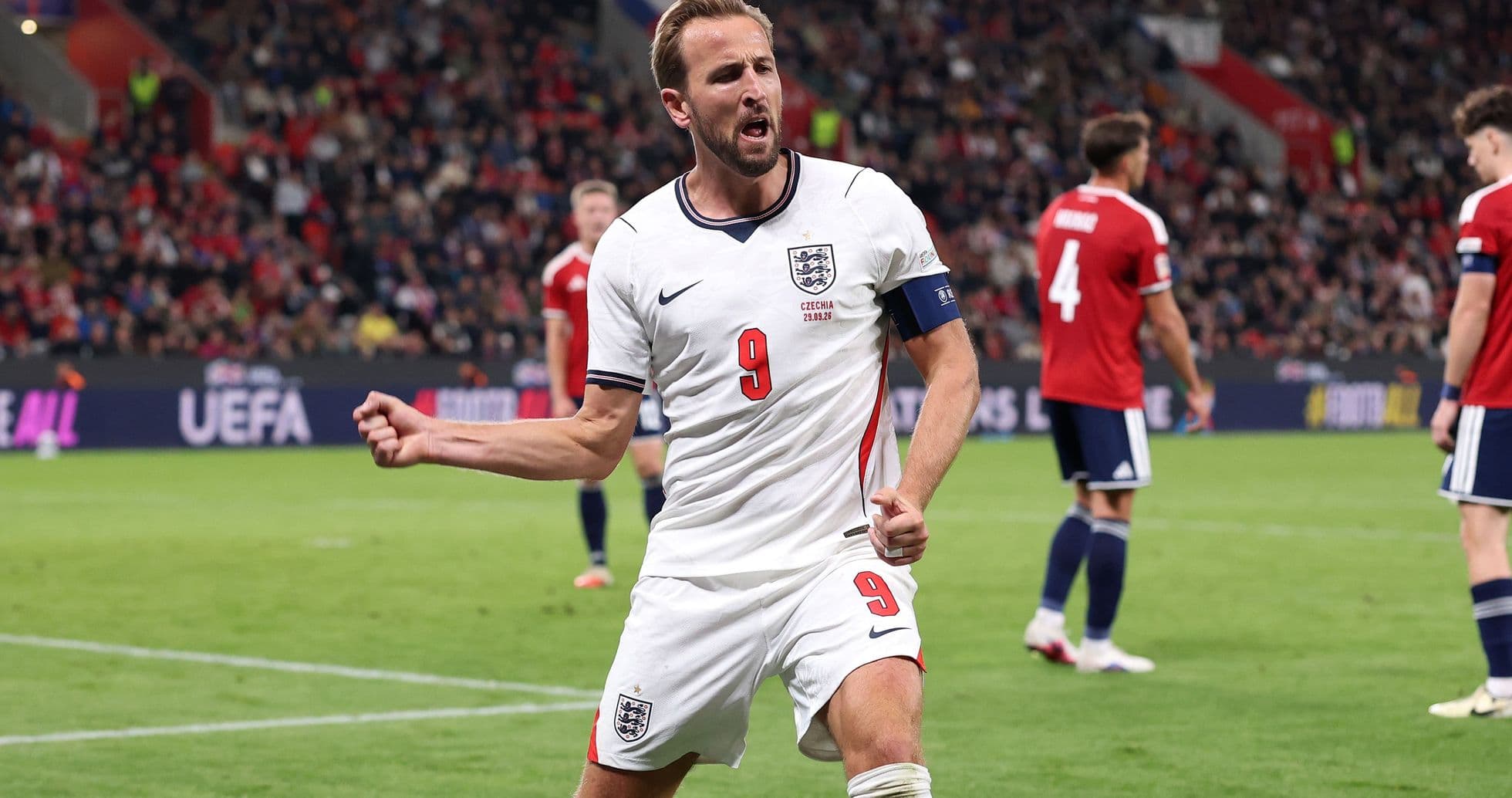
What matters is that England are good. And fun. Harry Kane finally has pace around him. Noni Madueke is grinning his way through games. Elliot Anderson keeps turning up in the right spaces. Djed Spence has somehow morphed into the Road Runner. For once, there’s hope without the usual undertow of dread. Not yet, anyway.
Life With Barry and the Fox Sports Circus
Most days boil down to two things: living with my friend and co‑host Barry Glendenning, and watching Fox Sports. That’s the real reality show. The only unresolved question is whether Zlatan Ibrahimovic will throttle Alexi Lalas on air before Barry does the same to me off it.
The coverage here? Pretty good. There’s plenty of basic “soccer” chat, but that’s hardly unique. BBC and ITV do the same when England play; you’re not talking to the same audience that tunes in for Crystal Palace v Brentford on a Monday night. Not everyone wants xG maps and pressing triggers.
What I could live without is Christian Pulisic’s Wells Fargo advert dropping in during every hydration break. There’s only so many times you can watch a man open a bank account in slow motion.
Back at the flat, Barry and I are discovering that we’re probably not built for a lifetime of cohabitation. I don’t think I’ve annoyed him at all, if you ignore the following: eating an apple too loudly, failing to screw the lid on a Coke Zero bottle tight enough, offering unsolicited chilli‑chopping advice, asking whether he needed the big saucepan, decanting yoghurt into a bowl, doing too much laundry and criticising his unapologetic flatulence – from both ends.
Aside from that, harmonious.
Cracking the States, One Key Fob at a Time
Somehow, people are invested in all this nonsense – the domestic gripes, the travel mishaps, the late‑night analysis – on Instagram, on the podcast, on YouTube, or wherever you happen to get your content these days.
Is it pilot season? Maybe. Barry has just helped the star of Selling Sunset with her key fob – not a euphemism, unfortunately – and you start to wonder what exactly counts as a breakthrough in this town.
For now, the tournament rolls on, the games slot into the gaps between Trader Joe’s runs and Fox studio hits, and the World Cup lives in the bars, on the screens and in those small pockets of people desperate for football to matter here as much as it does everywhere else.
Big things might be coming. Until they do, the ball keeps rolling, and that’s enough.