.svg&w=384&q=75 "Naijagoal logo")

Tottenham's Ambitious Rise in the Women's Super League
Tottenham are no longer content with survival stories and plucky cup runs. The way they have attacked this summer’s transfer window screams something different: they want to sit at the grown‑ups’ table in the Women’s Super League – and stay there.
This is not tinkering. It is a reset with intent.
A club that has outgrown its old skin
Spurs finished fifth in the WSL last season, a leap forward from the year before when they flirted dangerously with relegation. That escape appears to have jolted the club into a new gear. Staff numbers have swelled, training facilities have been sharpened, and the women’s team now has its own base at the Hotspur Way training centre.
Not everything has gone their way. Plans for a new women and girls’ academy facility were blocked in court this week, a reminder that infrastructure progress is rarely smooth. Yet the direction of travel is unmistakable.
This is a club that has already tasted the big stage. Barely months after promotion in 2019, they drew almost 40,000 to the Tottenham Hotspur Stadium for a north London derby against Arsenal. A year later, they were bold enough to bring in USA superstar Alex Morgan on a short-term loan after the birth of her child. In 2024, they walked out at the Women’s FA Cup final.
They have been edging towards the spotlight for years. Now they are paying to stay in it.
Record fees and a clear idea
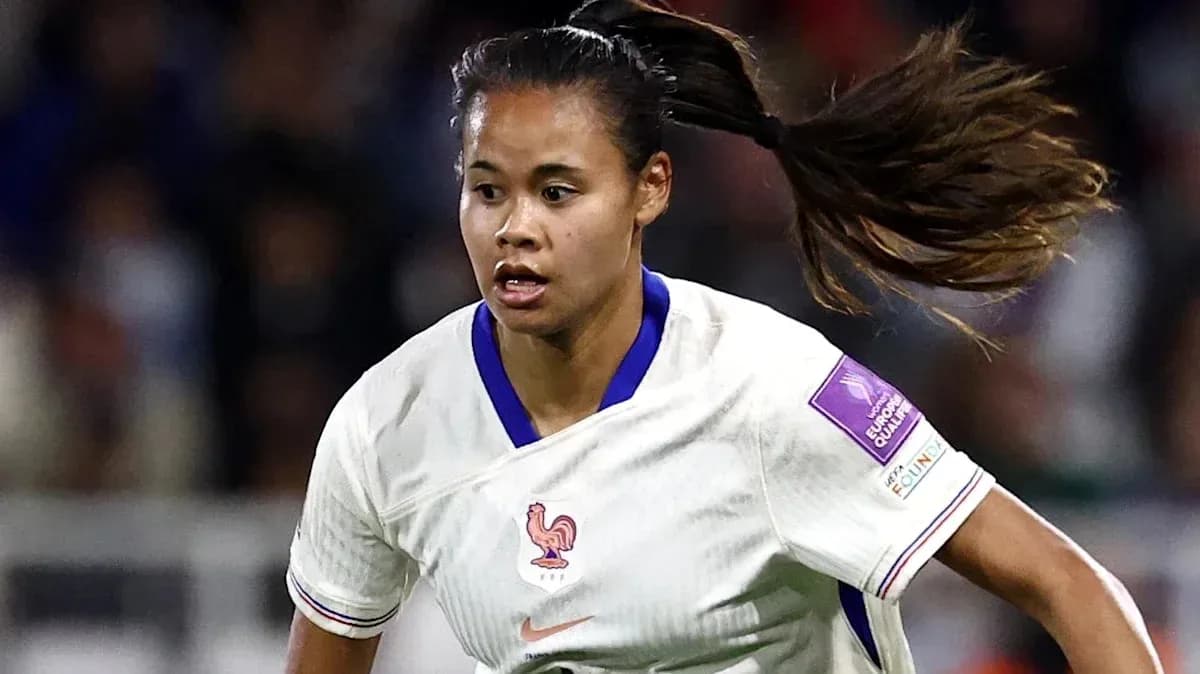
The headline this summer is simple: Tottenham have broken their club transfer record to land France defender Alice Sombath from Lyon. It follows the roughly £375,000 outlay on Signe Gaupset in January – serious money in the women’s game and a clear statement that Spurs will not watch the arms race from the sidelines.
Around those deals, the squad has been reshaped with purpose. Forwards Shekiera Martinez and Kirsty Hanson bring proven firepower. Caitlin Dijkstra strengthens the back line, Victoria Pelova adds guile in midfield, and goalkeeper Selma Panengstuen deepens competition in goal.
This is not scattergun recruitment. Since Martin Ho arrived in July 2025, Tottenham have worked to a 12‑month plan for each cycle, identifying targets across three transfer windows rather than scrambling late in the market. Talks for striker Cathinka Tandberg and defender Toko Koga were already advanced before Ho had even signed his contract; both have since become pillars of his side.
Ho spent his first summer studying what he had, not rushing to rip it up. Only then came the evolution – broad, deliberate, and rooted in what he wants this team to look like.
Club sources are adamant: they hit every key target in January, and they say the same about this summer, even with the window open until 3 September. The deals were pushed through early so Ho could have a full pre‑season with the entire group. No late arrivals, no excuses.
Behind the scenes, managing director Andy Rogers has been driving this window. After 24 years at Spurs, he is preparing to step down, and this feels like part legacy project, part launchpad – a squad designed to be handed over in a strong, upward trajectory.
Eyes on Europe, obstacles everywhere
The ambition is not whispered. Ho has been consistent: Tottenham want to compete with the WSL’s elite and build a squad capable of playing in Europe.
That is a brutal task in this league. Only the top three qualify for the Women’s Champions League, and those places have become a private members’ club dominated by Arsenal, Chelsea, Manchester City and Manchester United. To break into that group, Tottenham must leap not just one rival but several, all with deeper European experience and established winning habits.
The competition beneath the elite is getting sharper too. London City Lionesses and Brighton are spending aggressively, both determined to crash the top‑three party themselves. Their ambition has lit a fire under Spurs. Fall asleep now and you risk being left behind in an era where transfer records are tumbling and the financial landscape is still being drawn.
This is also a volatile phase in the women’s game. Debates around financial regulations and salary caps are still in their infancy. For the moment, clubs with the will and the resources can pour in money with little resistance, though that freedom may not last. Tottenham’s push – on both the women’s and men’s sides – is arriving in that window of opportunity.
The men’s team, remember, are also in the middle of a bold rebuild after a dismal campaign that almost ended in Premier League relegation. The spending on the women’s side is not a side project; it is part of a broader strategic shift following the departure of long‑time chairman Daniel Levy in September 2025 and a shake‑up in the boardroom.
Vinai Venkatesham’s arrival as chief executive from Arsenal in April 2025 is central to that. He played a key role in Arsenal Women’s success and has been brought in with the expectation that he can help replicate that structure and relentlessness at Tottenham.
Talent, time – and a fanbase to match
On the pitch, the model is clear. Spurs are blending some of the best young talent in Europe – players like Gaupset and Sombath – with proven WSL scorers in Hanson and Martinez. It is a squad built for Ho to mould, not a short‑term gamble on fading stars.
Yet one of the club’s biggest challenges sits outside the white lines. Tottenham averaged just 1,734 fans in the WSL last season, a number that is flattered by the occasional bigger crowd at the main stadium. For a club with this level of investment and ambition, that figure jars.
If Spurs are serious about joining Europe’s elite, the growth of their fanbase has to keep pace with their recruitment. The players are arriving. The infrastructure is edging forward. The strategy is in motion.
Now comes the hard part: turning all that planning and spending into something that can stare down Arsenal, Chelsea, City and United over 22 games – and persuading thousands more people that it is worth being there to see it.