.svg&w=384&q=75 "Naijagoal logo")
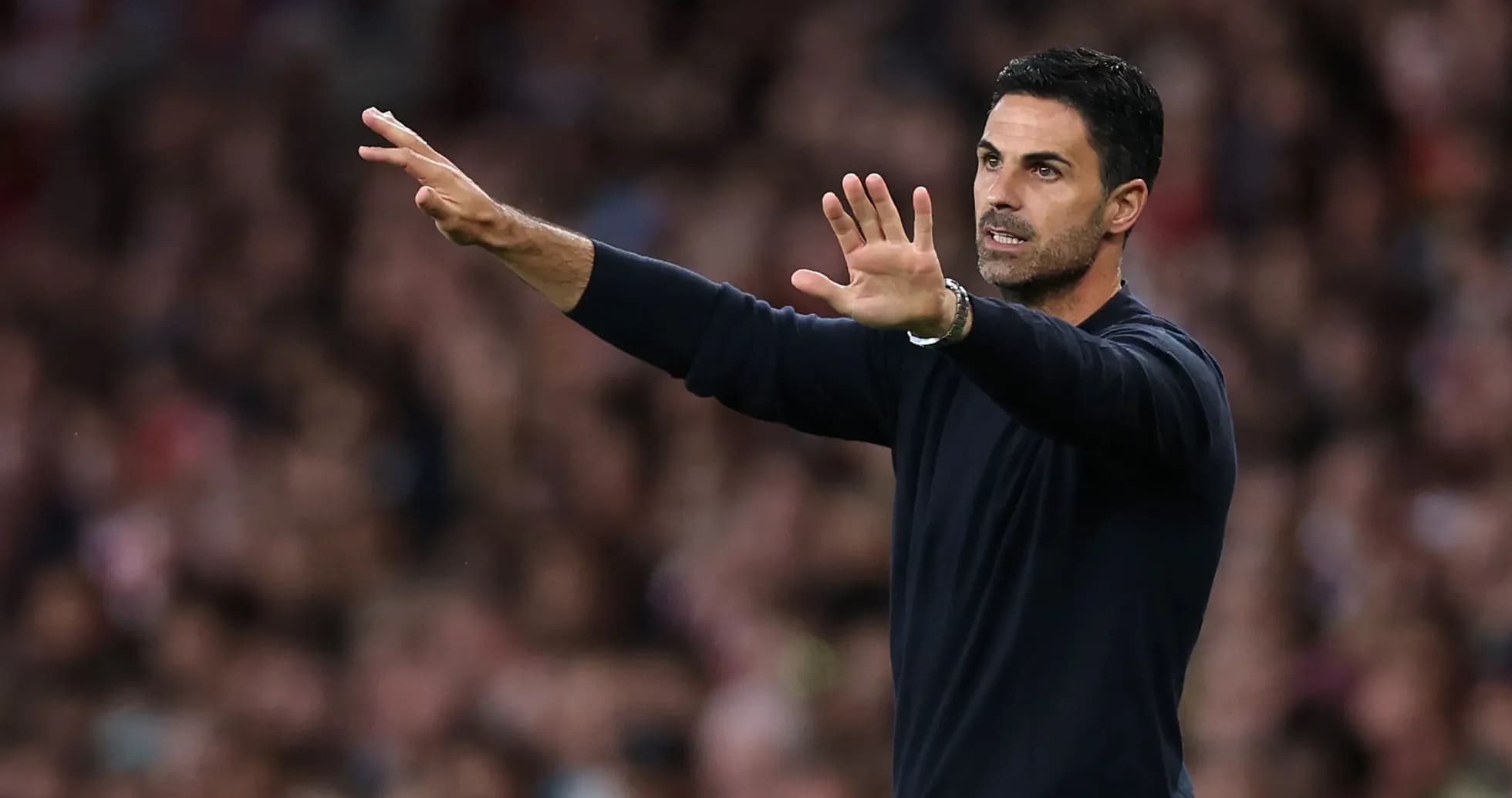

Mikel Arteta Calls for Expanded Matchday Squads
Mikel Arteta is pushing hard for change – and he wants it now.
The Arsenal manager has urged Premier League chiefs to act quickly and expand matchday squads this season, insisting the issue is no longer about tactics or ego, but “player welfare”.
At present, clubs can name nine substitutes, an increase from the seven allowed before the Covid-19 pandemic. For Arteta, that still isn’t enough for the modern game. Not when the calendar is crammed with international fixtures and elite squads are stacked with high‑profile talent.
He has already felt the strain. Ahead of Arsenal’s clash with Aston Villa, Arteta has had to make brutal calls, leaving big names like Gabriel Martinelli and Gabriel Jesus out of his matchday squad entirely. According to reports, the pair are now set to leave, underlining just how combustible these selection battles can become.
“That is why I have been begging Premier League officials to extend those numbers just for the safety of the players, which is the most important thing,” Arteta said.
He believes the current rules are out of step with the demands placed on top sides.
“I think every team needs more than 20 players on the pitch, ideally, to maintain the level of demand in the international matches we face, but these are the rules, and within these rules, we have to play,” he continued.
The sporting argument is obvious: more options, fresher legs, better protection against fatigue and injury. But Arteta keeps circling back to the human side. The manager sees the emotional toll when a fully fit first‑team player is told he won’t even travel with the squad.
“We need to be very close to the players to explain those situations in the right way, so that everyone feels their importance, because they will indeed be important,” he said.
Those talks wear on him. They are not the standard “you’re on the bench today” conversations. They are far harsher. A player who has trained all week, who expects to be in the fight, ends up at home on the sofa, watching his teammates on television.
“The question should be put to the players more than anyone else,” Arteta added. “What do they want? If they say: no, I would rather stay at home, then we will have a problem because they will not like what they are doing.”
He doesn’t believe many would choose the sofa.
“I am sure that if you ask the players, everyone would want to be part of the team on matchday, otherwise you would have to tell one of them that he is not even part of the matchday squad. That is extremely hard. And it will not benefit anyone.”
For Arteta, this is not just a technical regulation buried in a rulebook. It’s about how a club functions day to day. A player cut from the squad cannot properly be assessed in real competition, cannot feel the same sense of belonging, cannot ride the emotional wave with the group.
“This does not benefit the club, nor does it benefit the assessment of the player, nor does it help them feel part of it. In my opinion, it is a real problem and it has a very simple solution.”
The fix, in his eyes, is straightforward: let managers name more players. Keep the dressing room together. Protect legs and minds in a season that only ever seems to get longer.
Now the question hangs over the Premier League: will they move with the pace of the modern game, or leave managers like Arteta juggling stars and welfare on a bench that still feels too small?