.svg&w=384&q=75 "Naijagoal logo")

England's Strategy Against Messi: Seizing Opportunities in the World Cup Semi-Final
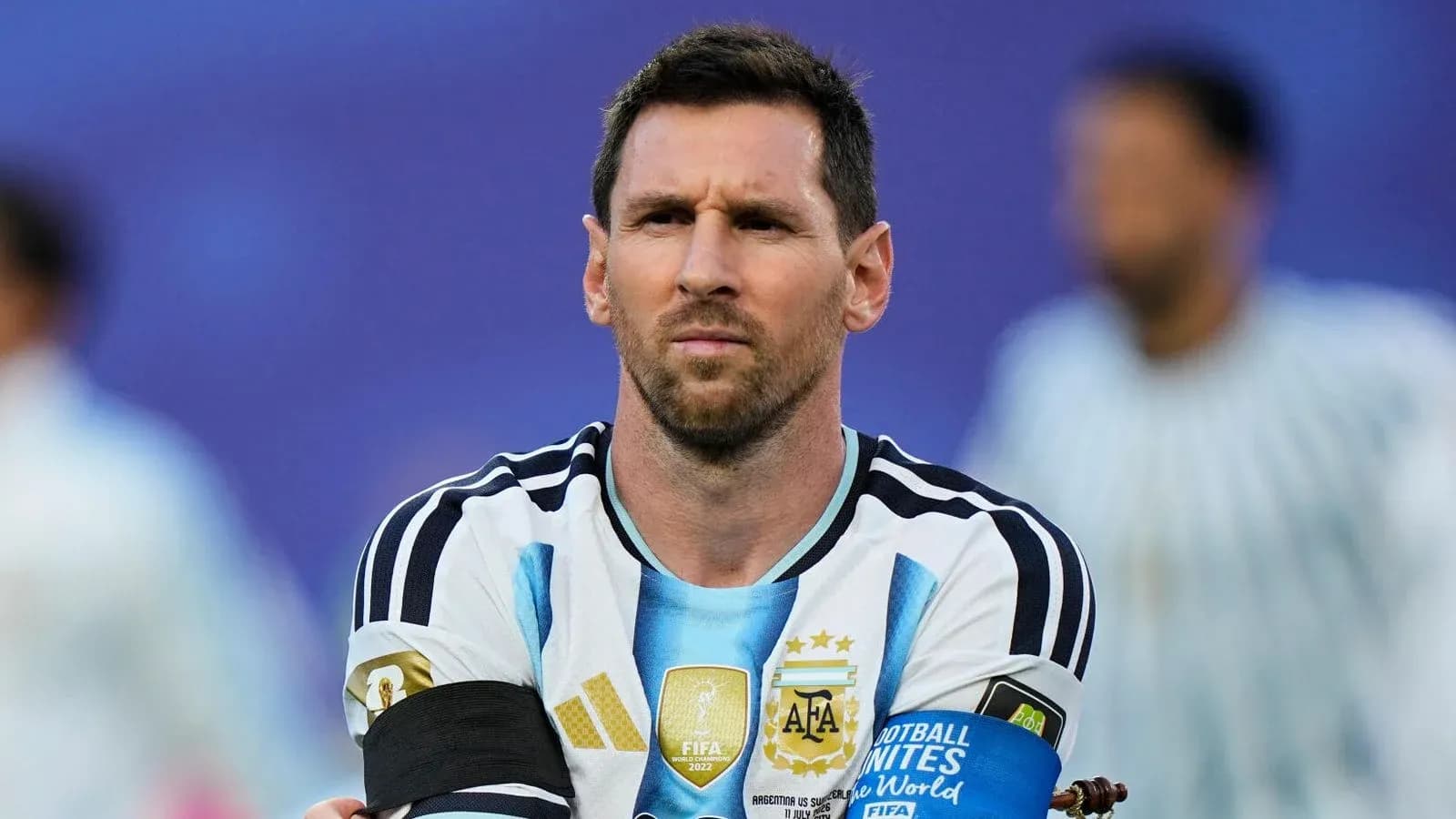
Jamie Carragher has seen enough of Lionel Messi to know one thing: you don’t stop him. You survive him – and then you punish what he leaves behind.
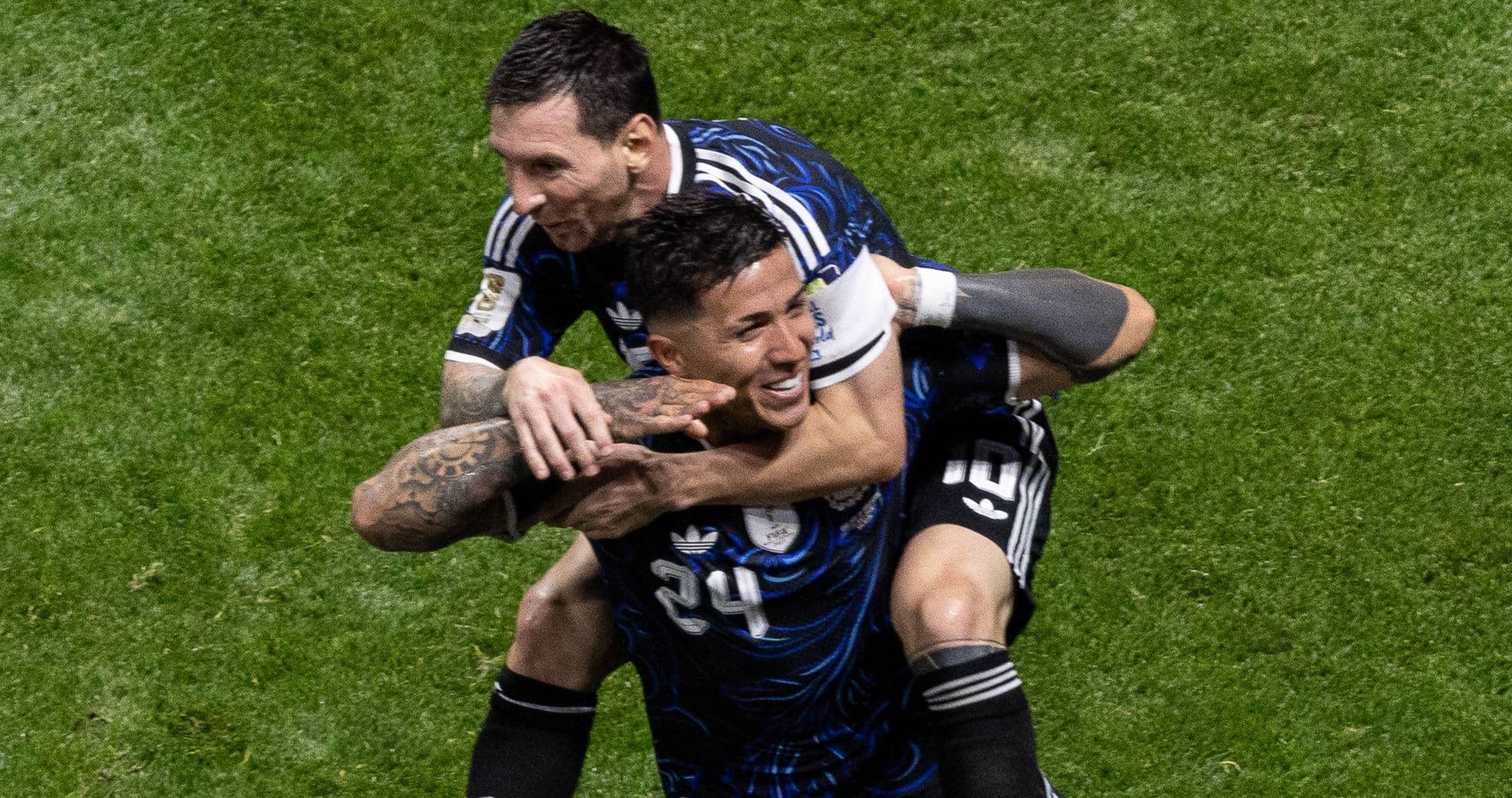
As England prepare for a World Cup semi-final against Argentina in Atlanta, the conversation has inevitably circled back to the 39-year-old phenomenon who has dominated this tournament. Eight goals, two assists, and the familiar feeling that everything runs through him as Argentina chase a second straight World Cup final.
Thomas Tuchel’s job is to find a way to contain that. Carragher’s view? England should be just as interested in where Messi isn’t as where he is.
‘You can’t just stand next to him’
"It's nothing new with Messi. He's been around for 20 years and no one has found the answer," Carragher said, laying out the reality that every elite coach and defender has faced.
"There has to be a plan. I don't think it will be a man-marking job, but they need a plan. The players will be expecting that. It's not admitting defeat in any way. You're coming up against arguably the greatest player of all time. He's shown that in this tournament too."
Then came the twist. While most obsess about how to shut Messi down, Carragher wants England to see opportunity when Argentina don’t have the ball.
"Also, they should be thinking about how they can exploit Lionel Messi as well. He walks about when the opposition have got the ball, so that doesn't mean England's left-back should stand next to him for the whole of the game.
"They can exploit the fact that Argentina only defend with nine outfield players."
That single point will shape England’s approach. If Messi stays high and strolls, the space behind Argentina’s attacking full-backs becomes a runway for England’s left side. The risk is obvious – leave Messi, and you live with the fear of the turnover – but Carragher wants England to be bold, not cowed.
Echoes of Croatia
Carragher also sees a tactical pattern he likes. He expects Argentina to back themselves on the ball, just as Croatia did in England’s opening game.
"I don't think there's too much between the teams. I'm hoping that this game has got elements of the Croatia game in it, where you're playing against a side who fancy themselves as a good team," he said.
"I certainly don't think they'll be getting everybody behind the ball. They'll try to tackle us, and will that leave space for ourselves to attack? Their full-backs like to go high and wide, but they don't really play with wingers, so maybe that's something we can exploit."
That kind of match-up suits Tuchel. Space to attack. A team willing to commit bodies forward. A contest, not a siege.
"I'm hoping that it's a different type of game than what we've seen from the majority of England games throughout this competition. I still don't think England have been anywhere near the best in performance-wise."
England are in the last four without ever truly catching fire. Argentina, led by a vintage Messi, have. Atlanta offers the chance to flip that narrative.
Tuchel’s honesty, Bellingham’s heat
Off the pitch, Carragher also moved to cool talk of tension between Tuchel and his players after the quarter-final win over Norway.
Tuchel had been openly critical of England’s use of the ball and insisted they almost threw the tie away. Jude Bellingham, asked about those comments in the immediate aftermath, pointed to the brutal conditions in Miami – temperatures above 33C, humidity pushing the feel close to 40C – and suggested the manager didn’t fully grasp how hard it was on the pitch.
Carragher saw nothing alarming in any of it.
"I didn't think there was anything wrong at all with Tuchel's comments," he said. "He's probably a little bit emotional after the game. England didn't play particularly well and could have easily lost that game against Norway.
"I totally understand Tuchel. We know what he was like at Chelsea. That's one of his plus points. He tells you straight. You've seen him against [Djed] Spence in this tournament.
"In a World Cup, a manager's got to be decisive. He's got to make big decisions, he's got to tell people straight. You can't wait. Things need to happen right away. I thought the interview from the manager was brilliant."
If Tuchel was emotional, so was Bellingham – for different reasons.
"Jude, again, he's emotional after the game. He's just scored a couple of goals, and then he's realised how hard it was on the pitch, and the conditions as well. I could understand that, but Thomas Tuchel will be absolutely fine with that."
In other words: this is tournament football. High stakes, high emotion. Honest words are part of the job.
Saka over Madueke – no saving bullets now
On the team sheet, Tuchel’s choices are narrowing. Declan Rice is fit. Reece James has returned, coming off the bench against Norway. The real debate sits on the right flank.
Noni Madueke has started four times this summer. Bukayo Saka, his Arsenal team-mate, has three starts and a lingering fitness issue that has shadowed his tournament.
For Carragher, the decision is still clear.
"I think Madueke's had a lot of chances in this tournament," he said. "It hasn't quite happened for him. Saka certainly hasn't been at his best, but as we know, he's not 100 per cent fit.
"I'm just hoping with each minute or longer he's on the pitch and other appearances, we start to see a little bit of what we know of Bukayo Saka."
This is not the night, Carragher insists, to think about tomorrow.
"These are the games you take a chance in. If he's right, or you think you can get something from him, you've got to pick him. There's no worrying about what comes after that. I know it's a World Cup final after that, but this game is too important."
Argentina. Messi. A World Cup semi-final under the lights in Atlanta. England must find a way to live with the greatest – and then have the courage to attack the space he leaves behind.