.svg&w=384&q=75 "Naijagoal logo")

Sunderland vs Manchester United: Tactical Arm-Wrestle Ends in 0-0 Draw
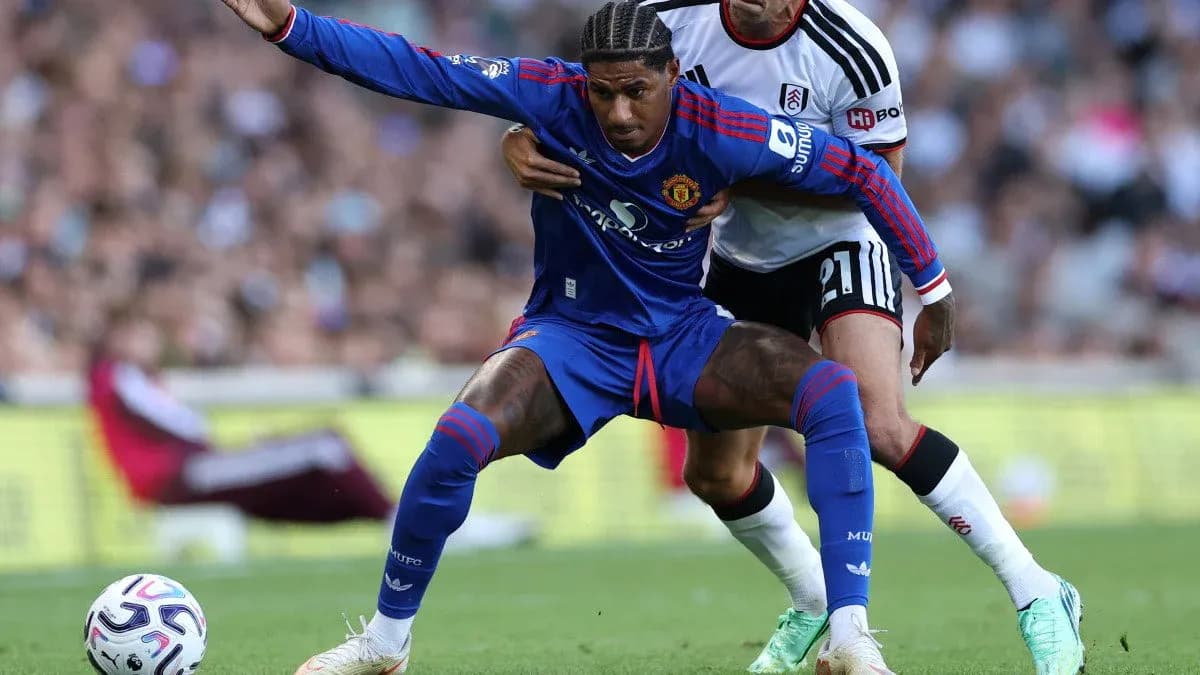
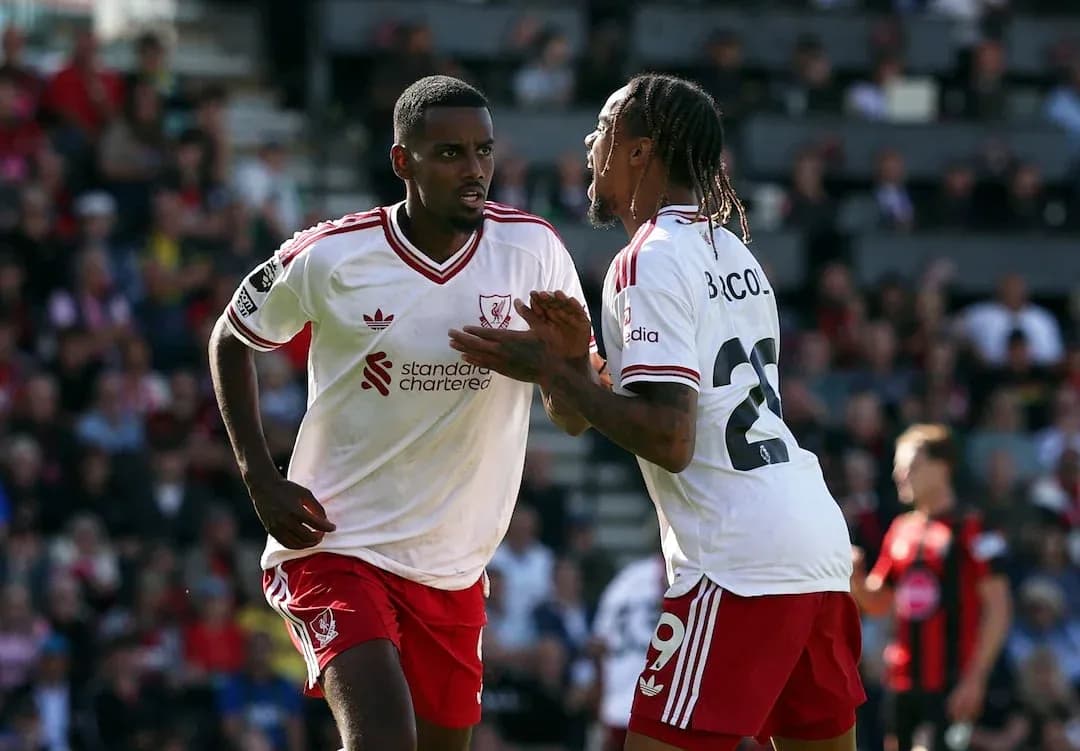
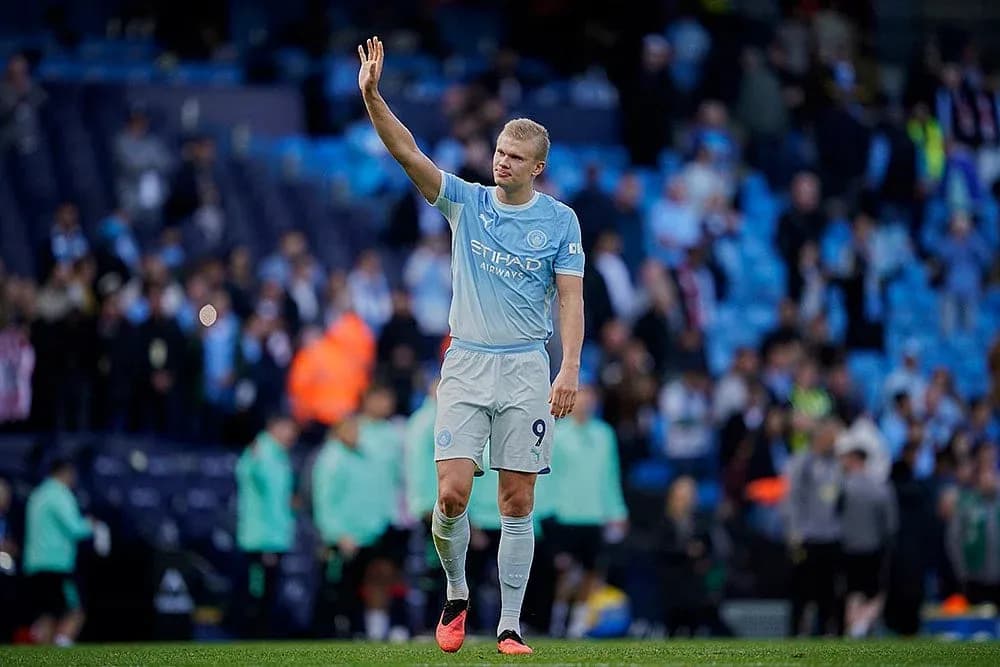
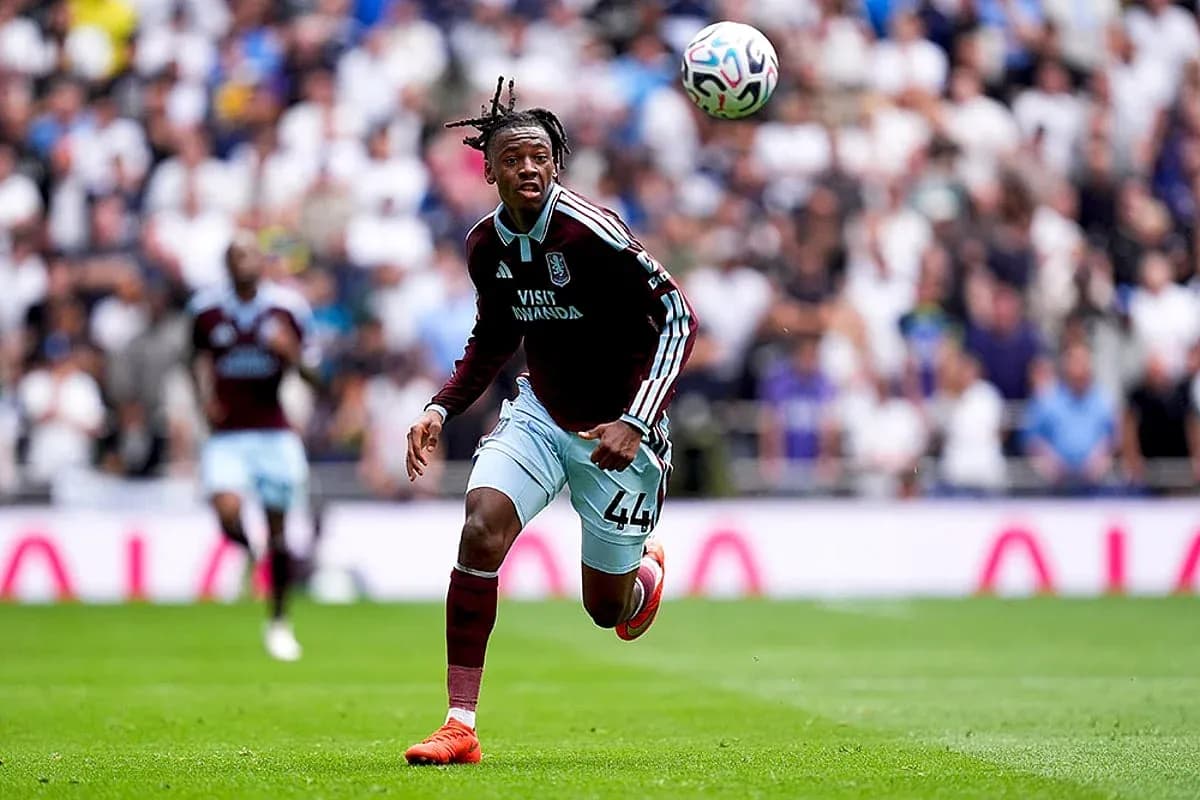
The Stadium of Light felt like a crossroads as Sunderland and Manchester United walked out under the grey May sky, a 0-0 that would ultimately say as much about their identities as any high‑scoring thriller. Following this result, the table still framed them as clubs on different trajectories: Sunderland in 12th on 48 points, United in 3rd with 65. Yet for 90 minutes, the gap between a side fighting to consolidate Premier League status and one chasing the Champions League narrowed into a tactical arm-wrestle.
Sunderland’s season has been built on balance rather than brilliance. Overall they have 37 goals for and 46 against across 36 matches, a goal difference of -9 that captures their knife‑edge existence. At home, though, they are a different proposition: 23 goals scored and 19 conceded at the Stadium of Light, averaging 1.3 goals for and 1.1 against. This is a team that leans into the energy of its own crowd, and Regis Le Bris’ selection underlined that: a compact, physically robust back four in front of Robin Roefs, with Lutsharel Geertruida and Nordi Mukiele adding athletic aggression, Omar Alderete as the aerial anchor, and Reinildo Mandava offering bite and recovery speed on the left.
Ahead of them, the double pivot of Granit Xhaka and Noah Sadiki was the hinge on which Sunderland’s game turned. Xhaka arrives here as one of the league’s most influential deep playmakers: 1 goal and 6 assists in total this campaign, backed by 1,684 total passes at an 83% accuracy and 34 key passes. He is Sunderland’s metronome and their shield, with 49 tackles and 20 blocked shots underscoring his defensive value. Enzo Le Fée, with 4 goals and 5 assists and 48 key passes, floated higher, knitting transitions and offering the guile to break lines when the chance came.
But Sunderland entered this fixture with important absences that shaped their tactical voids. Daniel Ballard, a central defensive pillar with 2 goals, 24 blocked shots and 1 red card this season, was suspended after his dismissal. His absence removed a dominant duelist and organiser from the heart of the back line. R. Mundle, missing with a hamstring injury, further thinned the attacking rotation. Those losses pushed Le Bris toward a more conservative posture: protect the box, compress space between the lines, and trust Brian Brobbey’s strength up front to hold counters together.
Manchester United, by contrast, arrived as one of the division’s most dangerous attacking units. Overall they have 63 goals scored and 48 conceded, a goal difference of 15 that reflects a side willing to live with chaos if it brings cutting edge. On their travels they have 27 goals for and 26 against, averaging 1.5 scored and 1.4 conceded away from home. Michael Carrick’s side is not built to suffocate games; it is built to win them.
Yet even United had to navigate their own absences. Benjamin Šeško, with 11 league goals and 1 assist, was out with a leg injury. He has taken 51 shots with 34 on target, a classic penalty‑box finisher whose presence usually pins back defences. Matthijs de Ligt, missing with a back injury, removed a high‑level organiser from the back line. That placed more responsibility on Harry Maguire, whose season has been defined by extremes: 1 goal, 2 assists, 10 blocked shots and 1 red card. Maguire’s aerial dominance and willingness to step into duels remained vital, but his disciplinary record meant any late‑game scramble carried risk.
In midfield, United’s identity is crystal clear. Bruno Fernandes, the league’s top creator with 19 assists and 8 goals, is the side’s compass. Across 33 appearances and 2,886 minutes he has produced 125 key passes and 1,881 total passes at 82% accuracy. He is both the architect and the risk-taker, as shown by 5 yellow cards and 2 missed penalties from 6 taken. Behind and around him, the energy of Kobbie Mainoo, the vertical threat of Matheus Cunha and the craft of Mason Mount and Amad Diallo formed a rotating carousel of movement between the lines.
Cunha in particular embodies Carrick’s aggressive ethos. With 9 goals and 2 assists, 57 shots (34 on target) and 88 dribble attempts with 41 successful, he is United’s chaos agent, constantly driving at defenders, drawing 54 fouls and committing 26 himself. His presence in the starting XI, even with Šeško absent, ensured Sunderland’s back line could never relax.
The disciplinary undercurrent added a sharp edge to the contest. Sunderland’s season-long yellow card pattern shows a clear spike between 46-60 minutes, where 23.38% of their cautions arrive, followed by sustained aggression late on with 18.18% between 61-75 and 16.88% from 76-90. They also have a worrying red‑card profile: 1 dismissal between 16-30, 1 between 31-45, and another between 91-105. Reinildo himself has 7 yellows and 1 red; Trai Hume has 9 yellows. United are no strangers to disciplinary risk either: Casemiro, though not in this particular matchday squad, has 9 yellows and 1 yellow‑red this campaign, while the team overall sees 21.31% of their yellows between 46-60 and 19.67% from 76-90, plus red cards clustered between 46-60 and 76-90. This was always likely to be a match where the middle third of the second half crackled with tension.
Within that landscape, the key matchups emerged clearly. The “Hunter vs Shield” duel centred less on an individual Sunderland scorer — their goals are spread — and more on how Brobbey’s physical presence could disrupt United’s back line. Maguire’s aerial strength and Lisandro Martínez’s aggression had to cope with direct balls and second phases, especially given Sunderland’s home scoring average of 1.3. Conversely, United’s attacking firepower, averaging 1.8 goals per game overall, ran into a Sunderland side that has kept 11 clean sheets in total and concedes just 1.1 goals at home on average.
The “Engine Room” battle was pure theatre: Xhaka and Le Fée against Bruno Fernandes and Mainoo. Xhaka’s 249 duels (151 won) and 49 tackles set the tone for Sunderland’s resistance, while Le Fée’s 83 tackles and 27 interceptions made him the side’s pressing spearhead. On the other side, Bruno’s 50 tackles, 5 blocked shots and 19 interceptions show he is more than a luxury creator; he is the emotional and tactical heartbeat. Every United attack flowed through his positioning between the lines, every Sunderland transition depended on whether Xhaka and Le Fée could smother his space.
From a statistical prognosis, this had the makings of a narrow United edge. Their away scoring rate of 1.5 goals per game, combined with a total clean sheet count of 7, suggested they had enough structure to edge a game where their superior individual quality — Bruno’s creativity, Cunha’s dribbling, Joshua Zirkzee’s link play — could tilt the xG balance in their favour. Sunderland’s home resilience and 11 total clean sheets hinted at a low‑scoring contest, but their overall average of 1.0 goals scored per game and 1.3 conceded suggested they might eventually bend under sustained pressure.
Instead, Sunderland’s defensive discipline without Ballard, the work rate of Hume and Reinildo on the flanks, and the positional intelligence of Xhaka and Le Fée combined to neutralise United’s usual late‑game surge. United’s own defensive line, anchored by Maguire and Martínez with Luke Shaw and Noussair Mazraoui wide, managed the transitions without the lapses that have sometimes plagued their travels.
Following this result, the numbers will mark it as a goalless draw in Round 36 of the Premier League, but the tactical story runs deeper: Sunderland proved their defensive structure can stand up to Champions League‑level opposition, while United were reminded that even with elite creators and a season goal difference of 15, there are days when territory and possession are not enough to break a well‑drilled mid‑table side playing with nothing to fear.