.svg&w=384&q=75 "Naijagoal logo")

Sunderland and Manchester United Battle to 0–0 Draw in Premier League
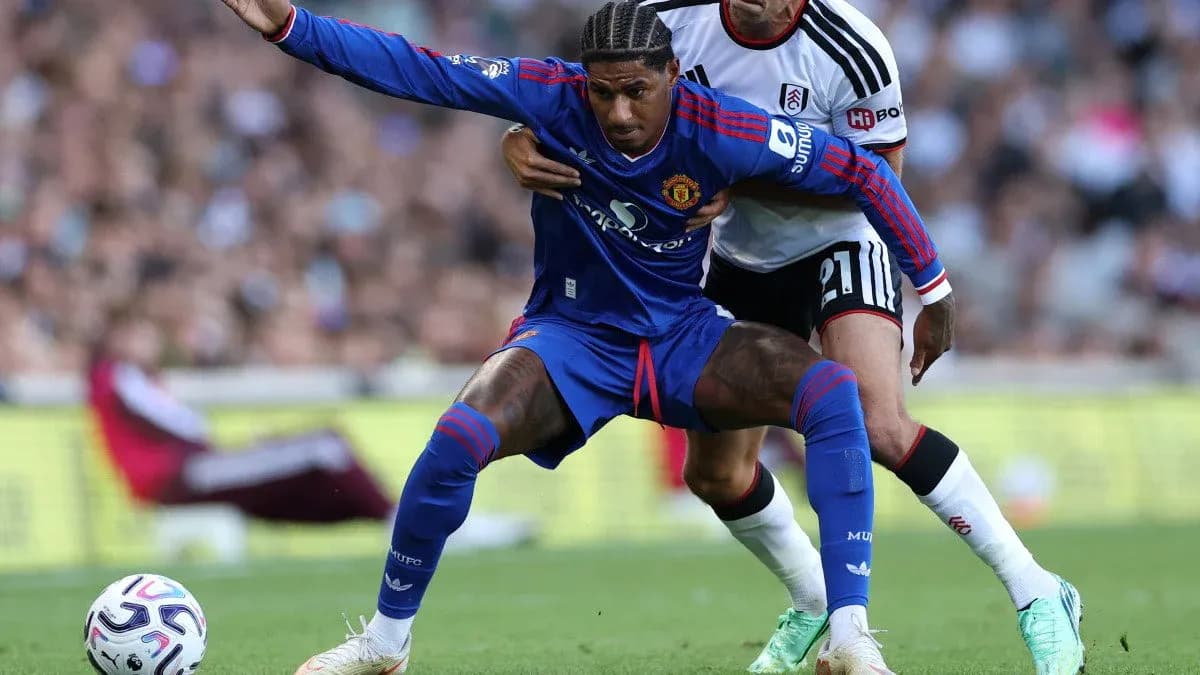
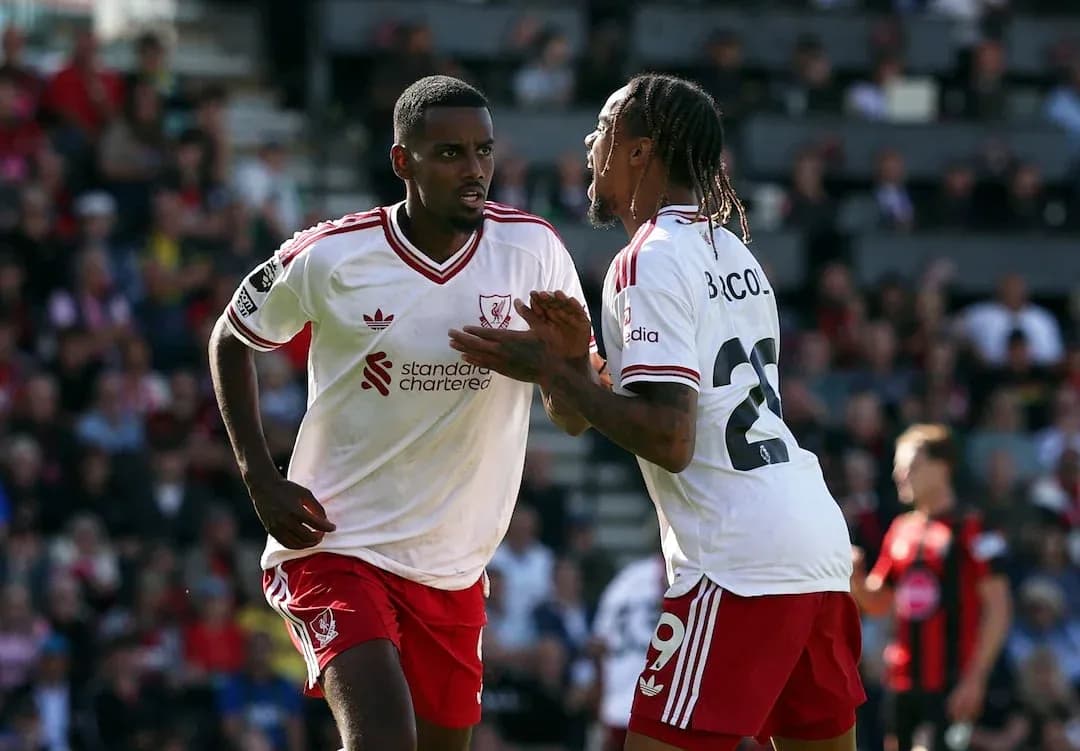
Sunderland and Manchester United played out a goalless but tactically rich 0–0 at the Stadium of Light in Premier League Round 36, with both sides cancelling each other out more than they truly threatened. Sunderland edged possession 51–49 and generated the higher attacking volume and quality (15 shots to 11; xG 1.25 to 0.62), but Manchester United’s defensive structure and Senne Lammens’ four saves preserved a point. Regis Le Bris’ team looked the more coherent in sustained build-up, while Michael Carrick’s side leaned on compactness, transitions and set pieces, especially corners, to stay competitive in a match defined more by control and discipline than chaos.
The disciplinary story was one-sided and entirely on Manchester United’s shoulders: three yellow cards, all in the second half, with Sunderland remaining card-free despite committing the same number of fouls (12 each).
Disciplinary log
- 54' Mason Mount (Manchester United) — Foul
- 58' Joshua Zirkzee (Manchester United) — Foul
- 90+3' Matheus Cunha (Manchester United) — Simulation
No red cards were issued, and Sunderland finished with zero bookings, underlining a controlled defensive performance despite an even foul count.
The game’s tempo rose after the interval, and so did the physical and psychological intensity. Mount’s 54' yellow for “Foul” came as United tried to disrupt Sunderland’s rhythm in midfield, a sign that Le Bris’ double pivot of Granit Xhaka and Noah Sadiki was beginning to dictate circulation. Just four minutes later, Zirkzee’s 58' booking, also for “Foul”, reflected United’s forwards being forced into defensive work as Sunderland pushed their back line higher and compressed the pitch.
Carrick’s first structural adjustment arrived at 65': Patrick Dorgu (IN) came on for Joshua Zirkzee (OUT). This substitution shifted United away from a pure centre-forward reference and towards a shape with more defensive security on the flank, likely moving Matheus Cunha into more advanced central zones while Dorgu provided width and defensive cover. Ten minutes later, at 75', Bryan Mbeumo (IN) came on for Amad Diallo (OUT), adding a more direct, vertical threat on the break and slightly rebalancing United’s attacking depth without sacrificing work rate.
Le Bris delayed his first change until the 79', a statement of confidence in Sunderland’s control of the match. Nilson Angulo (IN) came on for Chemsdine Talbi (OUT), injecting fresh legs and more direct running from midfield or wide spaces to attack tired United defenders. In stoppage time, Sunderland made a second offensive-leaning change: at 90', Eliezer Mayenda (IN) came on for Trai Hume (OUT), a move that tilted the structure towards a more aggressive front line for the final moments.
The final card, at 90+3', was emblematic of United’s frustration: Matheus Cunha was booked for “Simulation”, ending the match with a disciplinary record that contrasted sharply with Sunderland’s composure.
From a tactical perspective, Sunderland built their game on controlled possession and layered progression. With 51% of the ball and a strong passing base (493 total passes, 84% accuracy), they used Granit Xhaka as the central metronome, recycling possession and switching play. The back four of Lutsharel Geertruida, Nordi Mukiele, Omar Alderete and Reinildo Mandava provided a stable platform; their willingness to step into midfield allowed Sunderland to compress United and keep them pinned for long stretches.
The shot profile reinforces Sunderland’s territorial advantage: 15 total shots, with 9 inside the box and 4 on target. They also produced 6 corners, which, combined with their higher xG (1.25), point to sustained pressure rather than isolated moments. Enzo Le Fée and Talbi offered between-the-lines presence and ball progression, while Brian Brobbey worked as the central reference, occupying Maguire and Lisandro Martínez and creating pockets for late midfield arrivals.
Defensively, Sunderland were efficient and disciplined. Despite allowing 11 shots, they restricted United to just 1 on target and an xG of 0.62, a strong Defensive Index for a side facing a traditionally dangerous opponent. Robin Roefs needed to make only 1 save, a testament to the quality of Sunderland’s block and their control of United’s shooting zones. The “goals prevented” value of 1.81 for Sunderland’s side underlines that, across the season context, this level of defensive resilience is in line with strong shot-stopping and chance suppression.
Manchester United, by contrast, leaned on structure over fluency. Their 49% possession and 478 passes at 82% accuracy show they were not overrun, but they struggled to convert phases into clear chances. The shot map (11 total, 6 inside the box, 1 on target) suggests that Sunderland’s defensive line consistently forced United into low-quality or blocked efforts (5 shots blocked). United’s 7 corners were a key attacking route, but Sunderland’s aerial structure, anchored by Alderete and Mukiele, coped well.
In midfield, Kobbie Mainoo and Mount tried to connect with Bruno Fernandes and Cunha, yet United’s attacking shape often became disconnected. Fernandes had to drop deeper to influence build-up, which reduced his presence in the final third. Zirkzee’s booking and subsequent substitution at 65' highlight how isolated he became against a compact Sunderland back line, forced into defensive duels instead of attacking combinations.
In goal, the contrast was stark: Lammens made 4 saves to Roefs’ 1, reflecting Sunderland’s higher shot volume. Both sides shared an identical “goals prevented” figure of 1.81 in the dataset context, but in this match, it was Lammens’ activity that kept United level, while Roefs was largely protected by his structure.
Statistically, Sunderland’s higher xG (1.25 vs 0.62), superior shot volume and slightly better possession suggest they were the more likely winners on balance of play. Both teams committed 12 fouls, but only United collected cards — three yellows to Sunderland’s zero — underlining a pattern where Carrick’s side increasingly resorted to riskier interventions and, in Cunha’s case, “Simulation” in search of marginal gains.
In synthesis, Sunderland’s Overall Form in this fixture — measured by control, chance creation and discipline — looked stronger than the 0–0 scoreline implies. Their Defensive Index was excellent: low-quality shots conceded, minimal work for Roefs, and no cards despite equal fouling. United’s point, meanwhile, was earned through defensive resilience, goalkeeper performance and tactical adjustments, but their attacking structure remains the clear area of concern highlighted by this data.