.svg&w=384&q=75 "Naijagoal logo")

Steve Clarke on Scotland Exit: Controlling My Narrative
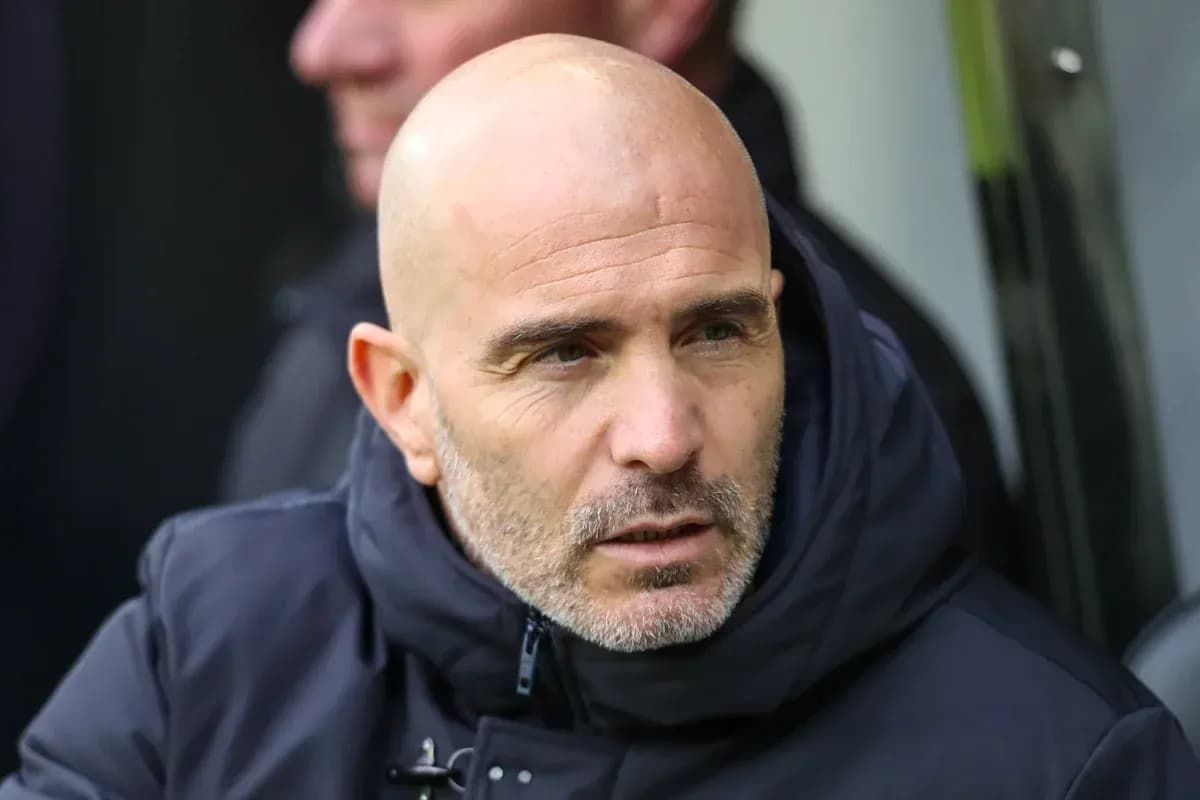
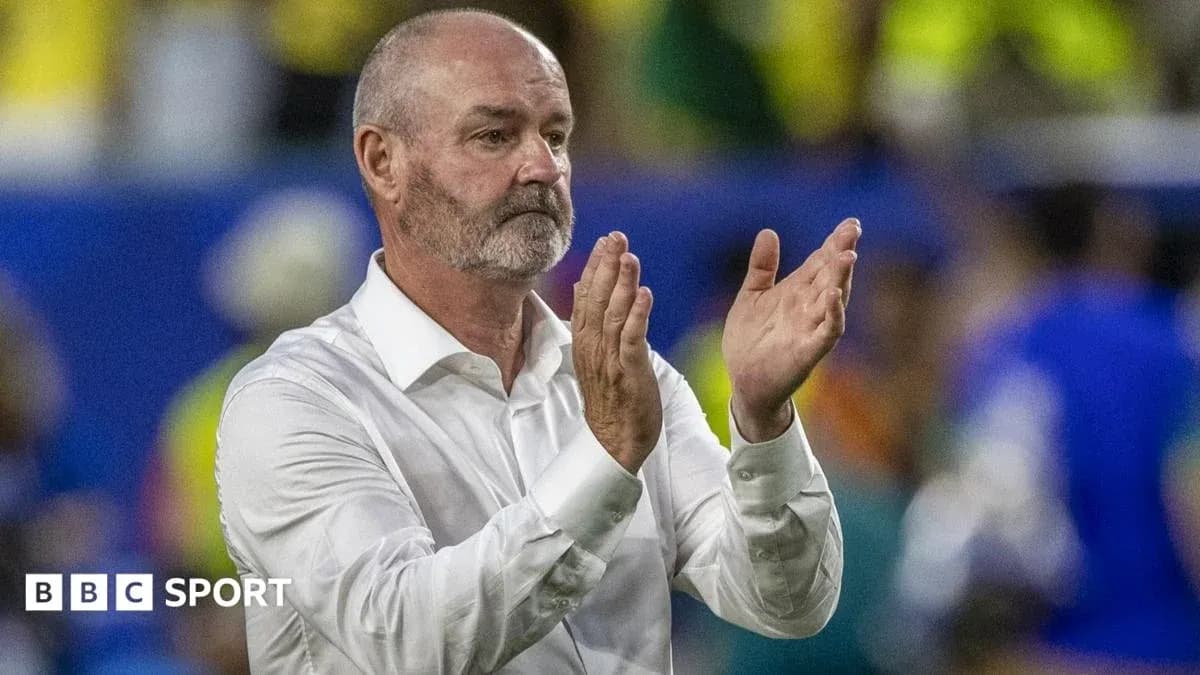
Steve Clarke has revealed he had to push the Scottish FA into giving him a new contract before the World Cup – all while knowing he would walk away if Scotland once again failed to escape the group stage.
Speaking publicly for the first time since resigning as national head coach, the 63-year-old laid out the timeline and his thinking in a candid interview with former Chelsea and Scotland team-mate Pat Nevin at a Spartans Community Foundation dinner in Edinburgh.
“It was never really a change of mind,” Clarke said, as quoted by The Scotsman. “I am quite a complex person. I wanted to control my narrative.”
Contract stand-off before the World Cup
Clarke explained that by March, with the World Cup looming, he still had no offer on the table from the SFA.
“Obviously we got to March and I hadn't been offered a new contract, which I thought was pretty strange,” he said. “You start to think are they hedging their bets a little bit, waiting on the tournament in the summer.”
So he decided to force the issue.
He admitted he used the media in March “to give the SFA a little shove”, triggering a flurry of negotiations. Talks ran “non-stop from the beginning of April really to the middle of May, just before the Curacao game”.
The message from Clarke to the hierarchy was blunt: agree a deal before the squad flew to the World Cup or he would publicly announce he was leaving the job.
“And I said to them if we don't agree a new contract before we go to the World Cup then I will say I am leaving the job. They panicked a little bit and gave me the new contract.
“It was like drawing teeth trying to get it over the line. But we got it over the line anyway.”
A deal signed, an exit already mapped out
Even as he inked a four-year extension on the eve of the tournament, Clarke insists he had already made peace with the idea of stepping aside if Scotland again fell at the first hurdle.
“But I always knew in my head that if we did not get out of the group stage then I would probably leave,” he said. “The only way I would have stayed on is if they had been three fantastic games and they went against you.”
The campaign in the Americas never reached that standard.
Scotland edged Haiti 1-0, then lost 1-0 to Morocco before a 3-0 defeat to Brazil left them clinging to a mathematical hope of reaching the knockouts as one of the best third-placed sides. The goal difference damage was brutal, the mood even more so.
“We had to stay for four or five days [in Charlotte], the longest four or five days ever just sitting and waiting, knowing you are going home because the goal difference was not good enough,” Clarke recalled.
He had gone into the tournament with a clear target.
“I knew we needed four points. I got hammered in the media for saying that. Somebody hammered me for saying, ‘nah, that's us, we are going home’. But I was right.”
Time for a new voice
Clarke said that after the Brazil defeat he spoke to several senior players and felt a shift. The group, he sensed, needed a different leader to take the next step and finally punch through a major-tournament glass ceiling.
Those conversations hardened his decision to resign despite the fresh contract. His departure cleared the way for Sebastien Pocognoli, the new head coach he has already contacted.
Clarke revealed he spoke to Pocognoli last week to wish him well and, with Euro 2028 on home soil, he believes the pathway is about as generous as Scotland will ever see.
Two spots at the finals will be reserved for the best-ranked hosts who fail to qualify as group winners or runners-up. Clarke’s verdict on that safety net was pointed and typically dry: he believes “even Scotland” cannot fail to make it.