.svg&w=384&q=75 "Naijagoal logo")


Portugal's World Cup Draw: Ronaldo's Performance Under Scrutiny
MIAMI GARDENS, FL – The questions came for Cristiano Ronaldo. Rúben Dias sent them straight back to the team.
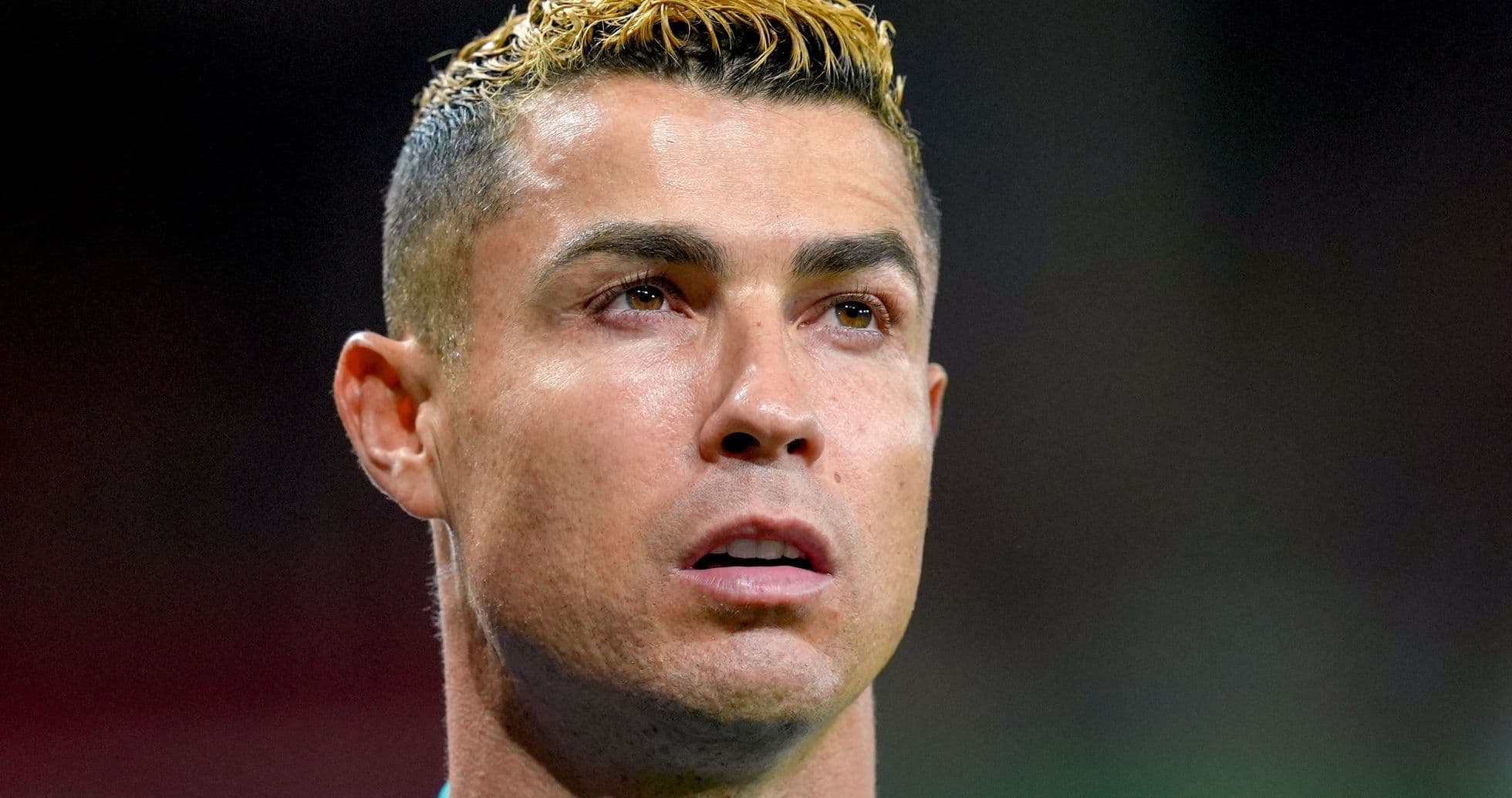
On a humid night in South Florida, Portugal opened their World Cup campaign with a 1-1 draw against DR Congo that felt far flatter than the scoreline. Ronaldo, at 41 and appearing in his sixth World Cup, went scoreless and largely starved of service, a combination that lit up the debate around his place in this side.
Dias wanted no part of the blame game.
The Manchester City defender dismissed the idea that Ronaldo’s presence or performance had dragged Portugal down, instead pointing firmly at a collective failure to keep their foot on DR Congo’s throat after a dream start.
First Half
João Neves needed only six minutes to put Portugal in front, glancing in a header with the kind of precision that usually signals a long, punishing night for the opposition. That should have been the platform. It never became one.
From there, the urgency drained away.
"We scored a goal in a match we knew would be very difficult," Dias said through a translator. That early breakthrough, he suggested, may have lulled Portugal into the wrong kind of control. They kept the ball. They did not hurt anyone with it.
What followed was possession without purpose. Portugal circulated the ball, but the vertical runs dried up, the risk disappeared, and DR Congo grew bolder with every safe sideways pass in red.
They were invited back into the contest, and they accepted. Yoane Wissa’s equalizer before halftime punished exactly what Dias described: a team that stopped creating real danger.
Final Whistle
By the final whistle, the numbers told a brutal story. Portugal finished with just one shot on target – Neves’ header in the sixth minute – and never forced DR Congo goalkeeper Dimitry Bertaud into another serious save. For a side loaded with attacking talent, it was a staggering drop-off.
"I think we lost the chance to create danger, to make them feel the danger, to make them feel threatened," Dias admitted. "Because of that, the game took on a strange atmosphere."
Strange is one word for it. A team that so often overwhelms opponents instead drifted, content to recycle the ball while DR Congo grew sharper in transition and more confident in duels. The crowd sensed it. So did the players.
Ronaldo, inevitably, stood at the center of the postgame storm. No goals. No trademark moment. A 41-year-old icon, scrutinized on the biggest stage once again. Yet Dias insisted the noise swirling around his captain is nothing this group hasn’t seen before.
"I think each one of us, including Cristiano, is used to dealing with media attention in contexts like the World Cup," he said. "I believe that nothing new is happening to us."
That calm sounded deliberate. Portugal know how quickly a World Cup narrative can twist around a superstar, how a single off night can become a referendum on a career, a legacy, a future role. Dias chose to frame it differently: this was not Ronaldo’s failure, but a collective misfire in the final third.
The defender repeatedly returned to the same theme – not enough incision, not enough threat, not enough of the ruthless Portugal that usually turns early leads into comfortable wins. The problem, in his view, lay in attitude and ambition with the ball, not in the identity or age of the man leading the line.
Portugal now stare at a crucial response game on June 23 against Uzbekistan. The table will not panic them yet; the performance might. The standard they set for themselves is higher than one shot on target and 84 minutes of sterile control.
The next match will show whether this was an early warning or just a stumble from a side still settling into the tournament’s rhythm – and whether Ronaldo’s supporting cast is ready to give him the chances a sixth World Cup deserves.