.svg&w=384&q=75 "Naijagoal logo")

South Korea's K League Players Demand Schedule Change Amid Record Heat
South Korea’s leading footballers have drawn a clear line in the heat haze: the K League, they say, can’t go on like this.
With temperatures smashing records across the country in August, the Korea Pro Footballers Association (KPFA) has publicly demanded that the league abandon its traditional Spring–Fall calendar and switch to a Fall–Spring season to escape the worst of the summer.
“The K League must transition to the Fall-Spring schedule to protect players from the worsening climate crisis and punishing summer heat,” the KPFA said in a statement this week, stressing that the change is also vital “to maintain the league’s leadership within Asia and its global competitiveness.”
That plea lands in the middle of a brutal Korean summer. Earlier this month, the southeastern city of Yangsan hit 42.5 degrees Celsius (108.5 Fahrenheit), the highest reading in decades of official records. Authorities urged people to stay indoors. The country’s baseball league didn’t hesitate: it shut down for a week as the mercury climbed.
Football kept going.
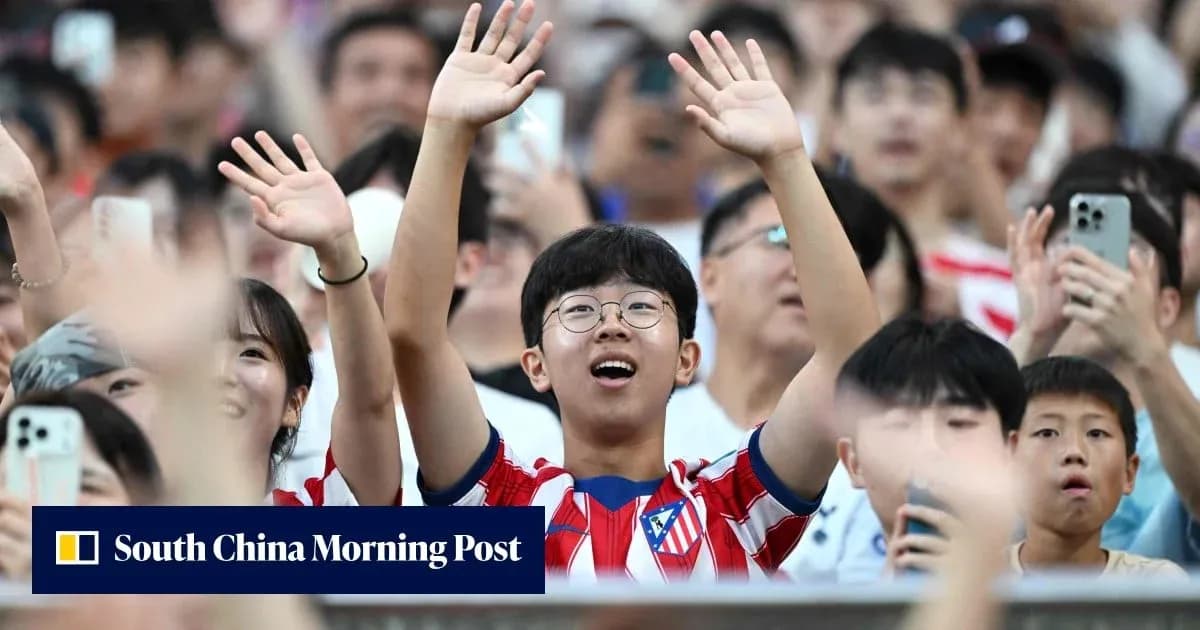
The oppressive conditions have seeped into every corner of the sport. Even the glamour of a Premier League giant could not fully cut through the heat. Manchester City’s friendly against a K League All Star side last week drew a smaller crowd than expected, with fans put off by the sweltering conditions. Only when City faced Atletico Madrid in another pre-season exhibition on Sunday did a full house finally turn up.
In Seoul, the heat has been relentless. The capital’s run of 17 consecutive “tropical nights” – when temperatures never drop below 25 degrees Celsius – only ended on Monday. For players asked to run, press, and sprint through that, the KPFA’s warning is as much about basic welfare as performance.
The calendar makes the tension obvious. The 2026 K League season kicked off on February 28 and is set to run until December 6, locking the bulk of the campaign into late spring, summer, and early autumn. Under normal conditions, that long stretch already tests squads and pitches. Under this climate, the calls to rip up the schedule have grown louder, sharper, and harder to ignore.
The league now faces a stark choice: cling to tradition, or redraw its entire season to keep pace with a changing planet and an increasingly unforgiving summer.