.svg&w=384&q=75 "Naijagoal logo")

Morgan Rogers: The Pressure of a £117 Million Move to Chelsea
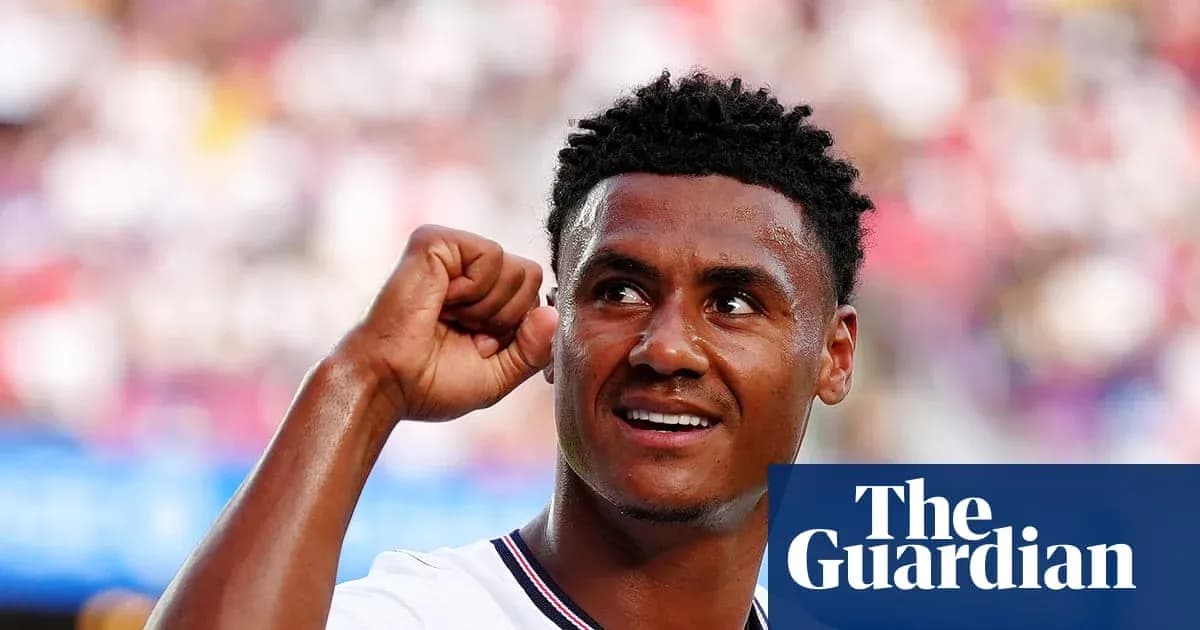
Morgan Rogers has barely pulled on a Chelsea shirt and already he is carrying a burden no British footballer has ever known.
A £117 million move from Aston Villa, the most expensive transfer for a British player in history, and an unveiling laced with bravado: Chelsea, he said, are "the biggest club in London" and the "perfect" fit for his game. Arsenal fans heard the subtext. So did plenty inside the game, after months of talk that Mikel Arteta had earmarked Rogers as a priority signing.
Strip away the noise, though, and the logic is brutal. Arsenal would have been the safer, smarter step.
Rogers walks into a storm at Chelsea
Leaving an upwardly mobile Aston Villa, Champions League-bound and clearly defined under Unai Emery, to join the reigning champions? No one would have questioned that. But Chelsea are not that destination. Not now.
They are starting yet another reboot under the polarising BlueCo regime, this time with Xabi Alonso fronting the project and no European football on the calendar. Fewer games should help a squad that limped to 10th last season, but Alonso is not a magician, and the squad is already weaker in key areas.
Marc Cucurella has gone to Real Madrid. Enzo Fernandez could follow him out of the door. Lose both and Chelsea are stripped of a major outlet at left-back and a central reference point in midfield. That is not the platform a £117m attacking talent needs.
The tactical picture is murky, too. Rogers thrives as a No.10, operating between the lines, facing goal, driving into space. Cole Palmer, Chelsea’s standout performer last season, also wants to occupy those same central pockets. Alonso must somehow fit both without choking the middle of the pitch.
If Palmer becomes the axis of the side, Rogers probably gets pushed wide. He can play there, but he won’t be the same force he was at Villa, where Emery turned him into a devastating counter-attacking weapon. Chelsea will see far more of the ball, face deeper defences and tighter spaces. That is a very different job.
Alonso’s preference for control, structure and patient possession could smother the very spontaneity that made Rogers so dangerous in the Midlands. At Villa, he could burst into open grass. At Chelsea, he will often be asked to unpick a packed back line with less room to accelerate and improvise.
Then there is the weight of that fee. At 23, Rogers is expected to transform a club that has lost its way. The reality is harsher: he is an excellent talent, but not a one-man solution to Chelsea’s problems. If he does not ignite instantly, the pressure will be relentless, and the narrative will turn quickly.
Carrick left exposed by United’s caution
If Chelsea have gambled on money, Manchester United have gambled on restraint.
Michael Carrick earned the permanent job the hard way. Third place in the Premier League, a return to the Champions League and a sense of calm after years of turbulence. That should have been the springboard for a serious summer.
Instead, the INEOS-led ownership has tightened the tap. Just £75m spent, with Andrey Santos arriving from Chelsea and Youri Tielemans from Aston Villa. Two smart additions, but nowhere near enough for a club trying to compete on multiple fronts.
United’s squad is thin, dangerously so.
Casemiro’s departure has ripped out their defensive shield. Mason Mount still cannot stay fit. Manuel Ugarte is coming back from an ACL injury. They need another midfielder simply to cope with the schedule, never mind improve on last season.
Across the back line, the depth is just as alarming. Injuries or suspensions will expose a lack of reliable options. Up front, Joshua Zirkzee is edging towards Serie A, which could leave Benjamin Sesko as the only natural No.9. One knock, and the entire attacking plan changes.
The risk is obvious. A slow start, confidence evaporating, old anxieties returning. Carrick’s early record – 12 wins from his first 17 games – bought him credit, but those results were built on individual moments and defensive discipline rather than a fluid, progressive style. United still looked conservative on the ball, still struggled to build from the back.
That template will not survive three games a week, from August to spring. If the season is already drifting by early December, the conversation will turn from progress to survival – not in the table, but in the dugout. Carrick could easily become the next casualty of an era already littered with short-lived projects, leaving INEOS searching for a fourth head coach in barely two and a half years.
Arsenal’s window opens as City reset
While others stall or stumble, Arsenal have finally kicked the door down.
After three straight seasons of finishing runners-up, they did not blink this time. They won the 2025-26 Premier League by seven points ahead of Manchester City, holding their nerve where they had previously cracked. That psychological barrier has gone.
Now they start as favourites – and not just by a whisker.
Liverpool’s defence is paper-thin. United lack the numbers for the slog ahead. Aston Villa have tightened their spending. Chelsea and Tottenham are in transition. The field is clearing.
Only City stand in Arsenal’s way, but even at the Etihad the ground is shifting. Pep Guardiola has gone. So have Bernardo Silva and John Stones, two pillars of the most dominant domestic side English football has seen. Then came the hammer blow: Rodri, the 2024 Ballon d’Or winner, sold to Barcelona for £65m.
Rodri was the metronome and the shield, the player who stitched City together in and out of possession. Losing him is not just a tactical issue; it rips out a chunk of their identity.
Elliot Anderson has arrived for £116m, a huge investment and a clear statement, yet City are entering a transitional phase whether they like it or not. The Community Shield offered an early glimpse: Arsenal swept them aside 3-0, a performance that underlined the gap in cohesion and left Enzo Maresca with serious questions to answer.
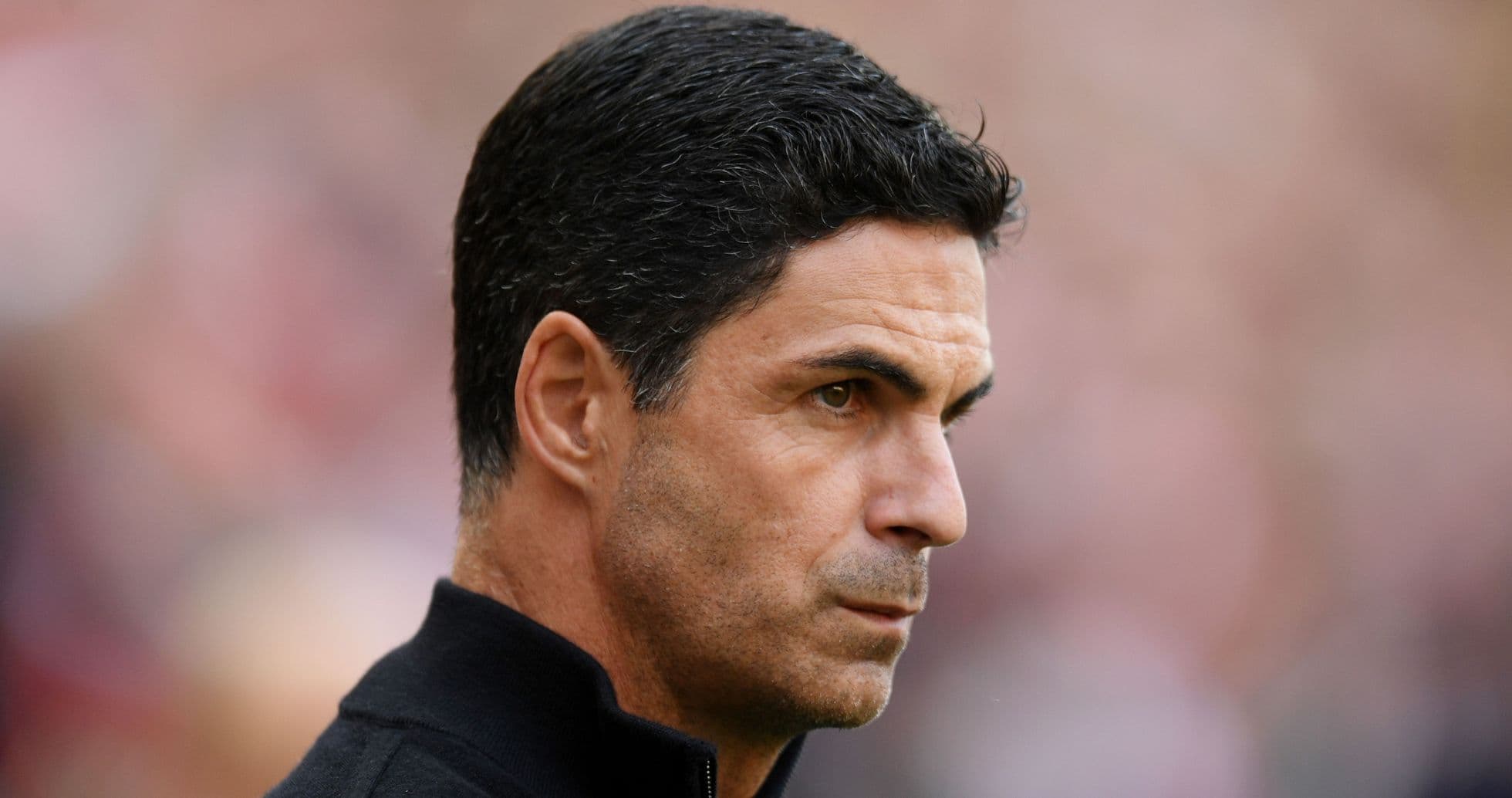
Arteta, by contrast, has the most settled, balanced squad in the division. Stability has been reinforced, not disrupted, with the addition of Bruno Guimaraes from Newcastle, an all-action Brazilian midfielder who adds yet another layer of intensity and quality.
Unless Arsenal implode or suffer an injury crisis of freakish proportions, the title should stay in north London in 2027.
Arbeloa walks into a trap at Fulham
The managerial carousel has spun in dramatic circles.
Marco Silva left Fulham in June after five successful years, heading home to Portugal to replace Jose Mourinho at Benfica. Mourinho, in turn, returned to Real Madrid after the club parted ways with Alvaro Arbeloa following a turbulent six-month stint.
Fulham then completed the loop by appointing Arbeloa on a three-year deal.
On paper, there are reasons for optimism. Arbeloa learned under Mourinho and Carlo Ancelotti during his playing days at Real. As a coach, his commitment to youth at both Castilla and the senior side suggests Fulham’s academy prospects will get chances.
But the job he inherits is unforgiving, and his CV is thin.
Silva kept Fulham competitive by building a pragmatic 4-2-3-1 around defensive organisation and structure. Arbeloa wants a higher line, more aggression, more risk. With Fulham’s limited resources, that approach could leave them badly exposed.
His man-management and tactical acumen are under the microscope. At Madrid, dressing-room friction undermined his authority. The glare will be softer at Craven Cottage, but the dynamic will be the same if results turn. And results are likely to turn.
Gonzalo Garcia and César Palacios have followed him from Madrid. Teenage forward Jonah Kusi-Asare has joined permanently from Bayern Munich after impressing on loan. Promising pieces, but not enough to offset what has been lost.
Harry Wilson, top for both goals and assists last season, has not been replaced. There is no obvious source of creativity to fill that void. Strip that output from a mid-table squad and you invite trouble.
The fixture list does Arbeloa no favours. Chelsea, Liverpool and Manchester United all come within the first five games. An early slide towards the bottom three feels almost baked in. In that scenario, the Premier League’s ruthless cycle tends to repeat itself: Arbeloa looks a strong candidate to be the first manager sacked in 2026-27.
Newcastle’s dream turns sour
Not long ago, Newcastle felt like the coming force.
A 2025 League Cup triumph over Liverpool ended a 70-year wait for major domestic silverware. Champions League qualification followed for the second time under Eddie Howe. The bond between manager, players and supporters was strong; the Saudi-backed owners had their figurehead.
Fifteen months later, the mood has flipped.
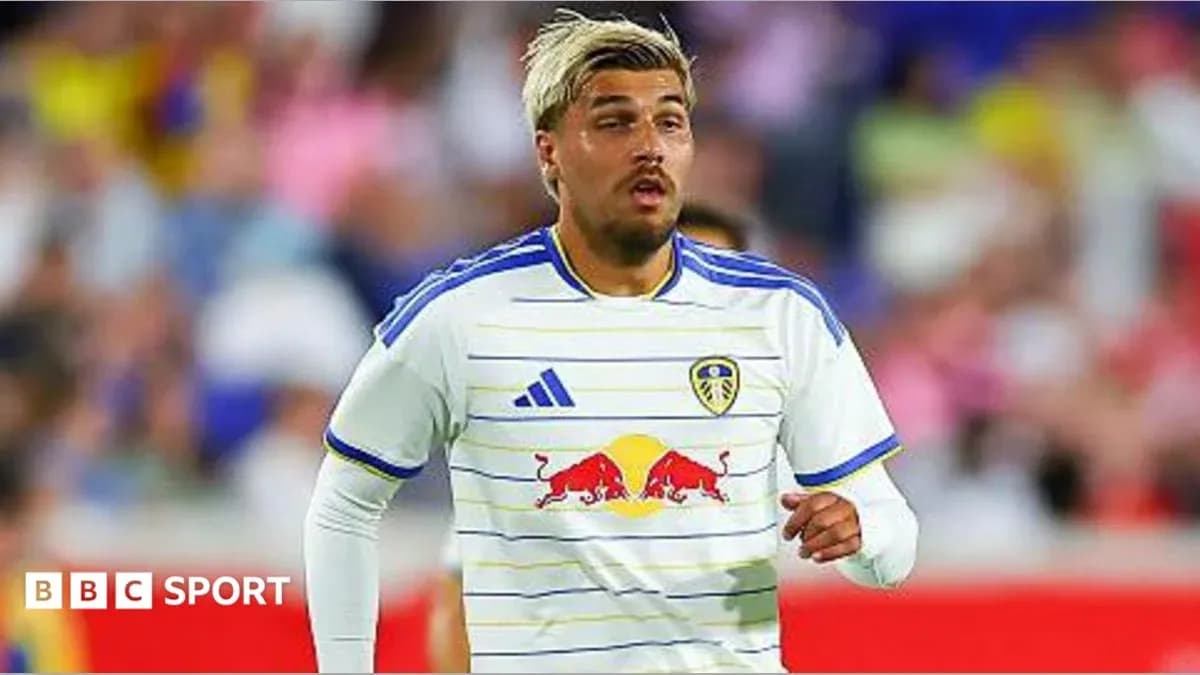
Alexander Isak, Anthony Gordon, Sandro Tonali and Bruno Guimaraes have all gone. Four talismanic figures, four holes still not properly filled. Of the five signings made in the current window, only one is over 20. High-profile targets have turned them down repeatedly.
Howe has departed too, deciding his five-year cycle had run its course. This was the moment to bring in an elite European coach, someone with the gravitas and track record to steady a listing project. Instead, Newcastle have turned to Matthias Jaissle, fresh from three years at Al-Ahli in the Saudi Pro League.
Jaissle is cut from similar cloth to Howe in terms of philosophy. Front-foot, aggressive, intent on pressing high and attacking quickly. Newcastle CEO David Hopkinson has called him a "rock star". The problem is, the band around him is not ready for the tour.
The squad is still reeling from a 12th-place finish. Confidence is brittle. The dressing room has lost its biggest names. Jaissle has barely had time to impose his methods. Above all that, supporters feel alienated by a series of ownership decisions that have eroded trust and poisoned the atmosphere.
There is still quality in the group, enough on paper to stay clear of the bottom three. But relegation battles are not fought on paper. Newcastle have already suffered the drop twice this century, and the warning signs are flashing again.
With resources like these, dropping into the Championship would be a humiliation. In the chaos that now surrounds St James’ Park, it is no longer an unthinkable one.