.svg&w=384&q=75 "Naijagoal logo")

Jamal Musiala's Health Scare: A Neurological Diagnosis
Jamal Musiala’s latest scare did not come from a crunching tackle or a mistimed challenge. It came from his own body.
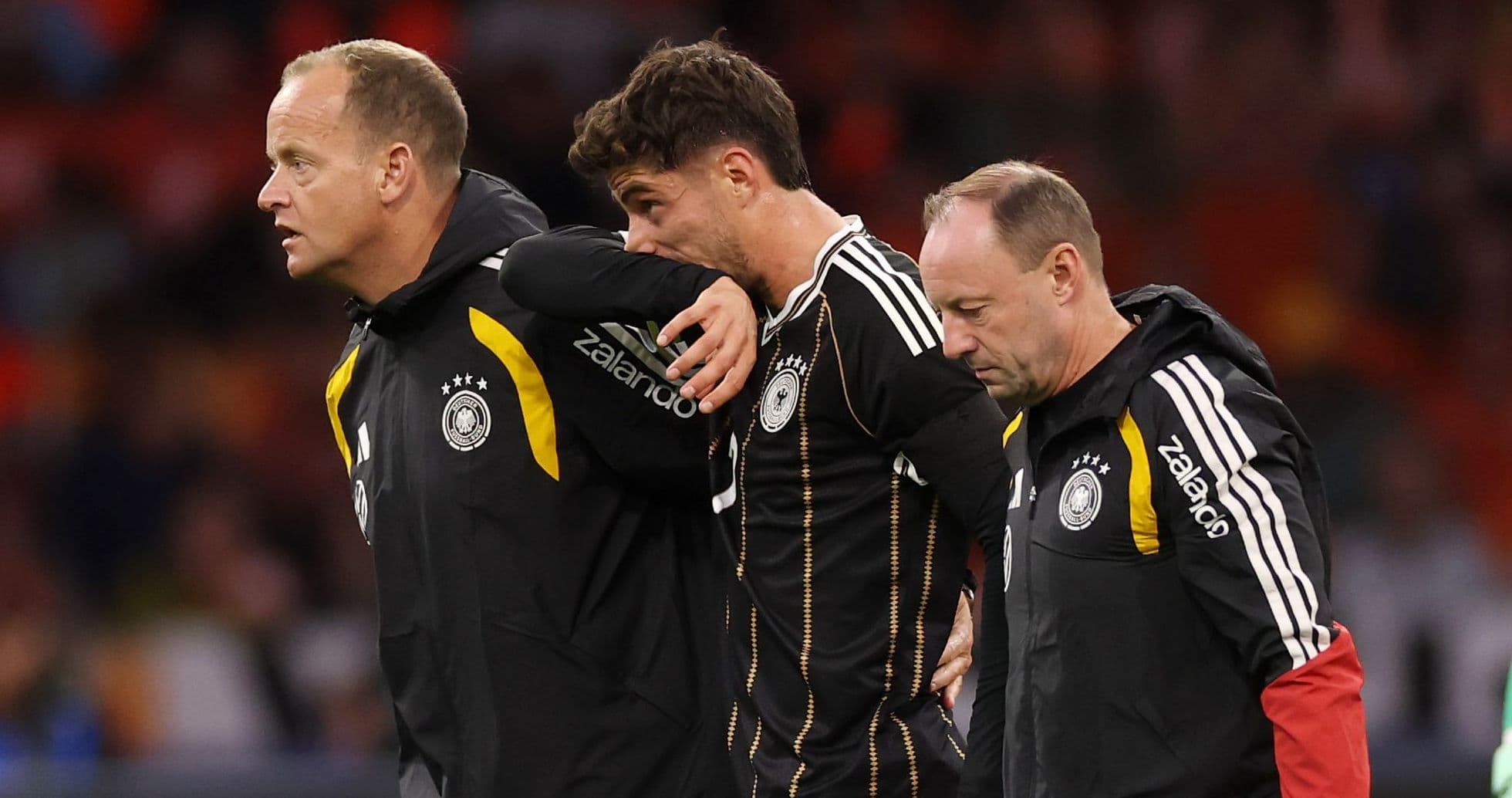
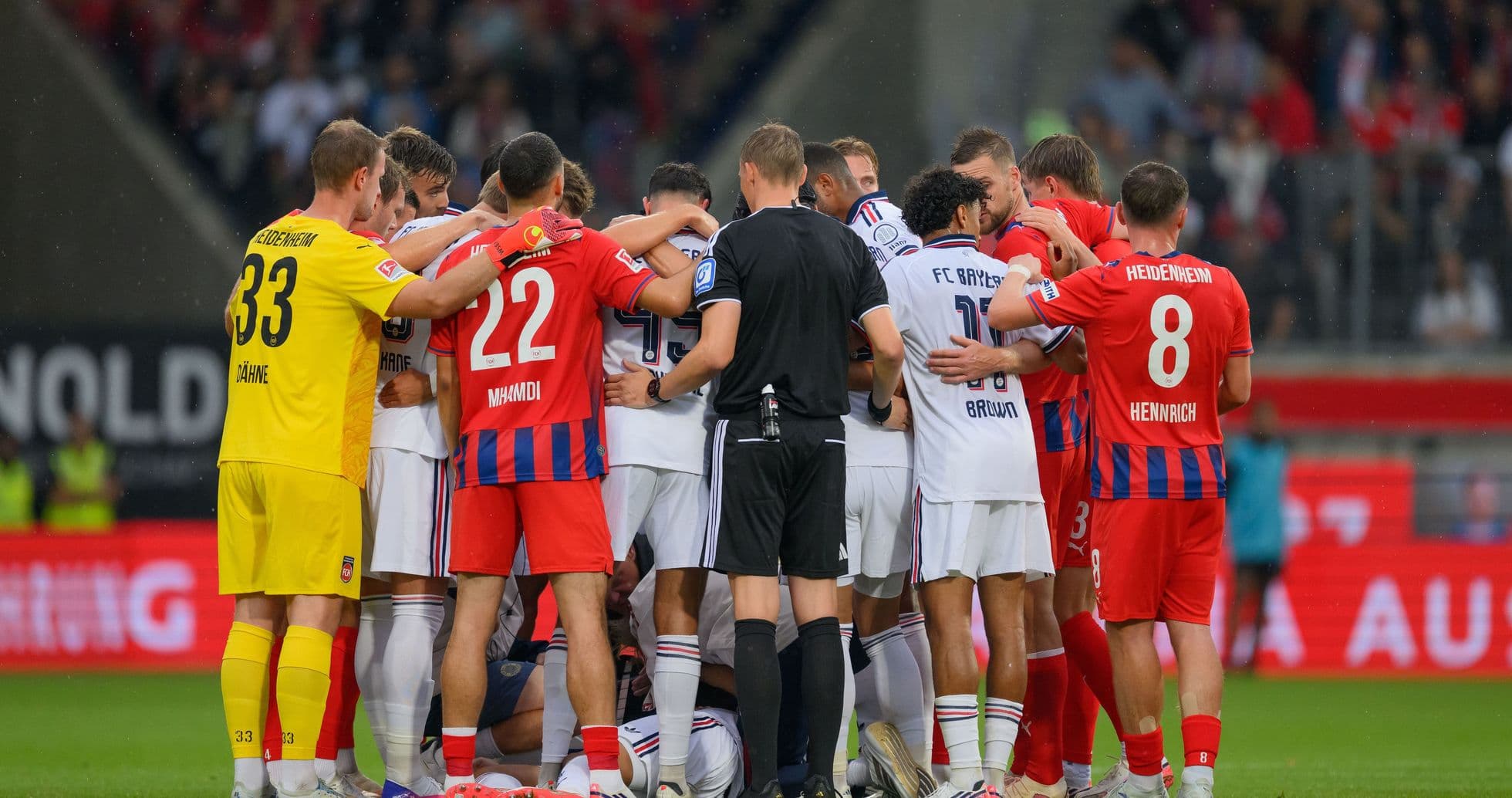
The Bayern Munich playmaker collapsed on the pitch for the second time in four days during a friendly win over Heidenheim, sending a jolt of anxiety through the club and its supporters. The 23-year-old looked dazed, required on-field treatment and was helped from the pitch, a chilling echo of a similar episode against RB Leipzig earlier in the week.
This was no routine pre-season knock. It was something far more unsettling.
A diagnosis, and a reality check
Bayern sporting director Max Eberl has moved quickly to stress that the club is fully on top of the situation and firmly behind Musiala. The player himself then broke his silence, revealing he has been diagnosed with temporary, brief absence seizures caused by a neurological dysfunction.
To understand what that means, German outlet BILD turned to Prof. Christoph Kleinschnitz, head of neurology at the University Hospital Essen. His assessment underlined both the seriousness and the manageability of the condition.
“From a neurological perspective, this could potentially be an epileptic seizure. It could be a form of absence epilepsy, as symptoms such as brief periods of unresponsiveness are consistent with it,” he explained.
He also drew a clear line: no definitive label without the full battery of neurological test results. But the broad message offered a measure of reassurance. According to Kleinschnitz, the condition is highly treatable, though it would demand long-term therapy. Crucially for Bayern and for Musiala himself, his view is that the midfielder can continue his football career.
Another hurdle after a brutal year
For Musiala, this comes on the back of an already punishing spell. His last campaign was shredded by a brutal injury run. He missed a large part of the 2025-26 season after suffering a fractured fibula along with a dislocated and broken ankle during the Club World Cup against Paris Saint-Germain.
Those were the kind of injuries you can see, hear, almost feel through the television. Orthopaedic trauma, surgeries, rehab rooms, the long, lonely road back to fitness.
Now, just as he tries to build rhythm again, a different kind of challenge emerges – one that sits invisibly in the nervous system rather than in a scan of bones and ligaments.
Balancing the final stages of recovery from those major leg injuries with the careful management of a newly diagnosed neurological condition has instantly become the central task for Musiala and the medical team around him. The priority is clear: stability first, football second.
Caution, confidence and the season ahead
The good news for Bayern is that the specialists around Musiala are confident this diagnosis does not have to derail his career, provided he follows a structured, long-term treatment plan. The club’s doctors, external neurologists and the player’s own support network are now aligned on one thing: there will be no shortcuts.
Musiala has spoken with optimism about his new routine and the medical care he is receiving. Inside Säbener Straße, the hope is that this is a hurdle, not a turning point.
Bayern want their No. 10 back at the heart of things as they go hunting for trophies on every front. They know what a fully fit, fully sharp Musiala brings: line-breaking dribbles, goals from nowhere, that ability to tilt a game in a single movement. But this time, his return will be judged not just on match fitness or tactical readiness, but on neurological stability and medical clearance.
For now, the club, his family and his friends are locked in around him as he navigates this new reality and settles into an ongoing treatment plan. The fans will wait for the only signal that matters – the medical green light – before they see him glide back into the No. 10 role.
When it comes, the real question will not be whether Jamal Musiala can still play. It will be how high he can climb after everything his body has already put him through.