.svg&w=384&q=75 "Naijagoal logo")

Liverpool vs Chelsea: Premier League Clash at Anfield
Anfield stages another heavyweight Premier League clash on 9 May 2026 as Liverpool host Chelsea in round 36 of the league season. With Liverpool sitting 4th on 58 points and chasing Champions League qualification, and Chelsea down in 9th on 48 points and desperate to salvage a faltering campaign, the stakes are high even without direct 1/4 final implications.
Context and stakes
In the league, Liverpool’s position is strong but not yet secure. They have 58 points, a goal difference of +12 (59 scored, 47 conceded) and a recent form line of LWWWL. That inconsistency has left the door slightly ajar for rivals, but a formidable home record at Anfield – 10 wins, 4 draws and only 3 defeats from 17 league games – underpins their top‑four push.
Chelsea arrive in starkly contrasting mood. Ninth with 48 points and a goal difference of +6 (54 for, 48 against), their form is a brutal LLLLL across the last five league outings. They are good enough to trouble anyone on their day, but that “day” has been missing for weeks, and a trip to Anfield is about as unforgiving a place as any to try to reset.
Tactical outlook: Liverpool
Across all phases this season, Liverpool have been a high‑event side: 59 goals for and 47 against in 35 matches, averaging 1.7 scored and 1.3 conceded per game. At Anfield, they are more dominant, scoring 32 and conceding 18 in 17 matches (1.9 for, 1.1 against on average). The numbers point to a team that still leans on front‑foot football and volume attacking.
The preferred structure has been clear. In the league, Liverpool have lined up in a 4‑2‑3‑1 in 31 of 35 fixtures, occasionally switching to 4‑2‑2‑2 or 4‑3‑3. The double pivot offers some protection for an aggressive front four, and the full‑backs are encouraged to advance, which helps explain both the strong goal output and the relatively high concessions.
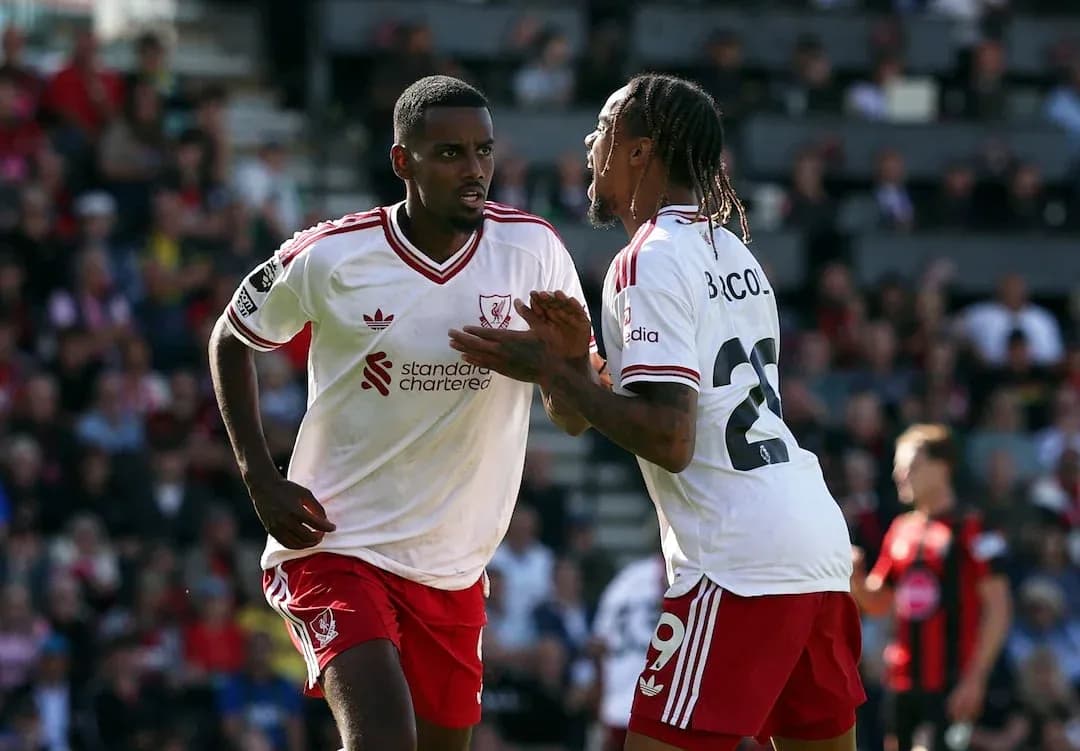
Hugo Ekitike is the standout attacking reference. With 11 league goals and 4 assists in 28 appearances, he is Liverpool’s top scorer in this data set. His 48 shots (19 on target) and 21 key passes underline his dual threat: he can attack the box but also combine between the lines. A passing accuracy of 76% and 38 successful dribbles from 72 attempts show a forward comfortable both running at defenders and linking play.
Behind him, the 4‑2‑3‑1 suggests a fluid band of three who can rotate into half‑spaces. Liverpool’s ability to generate big home wins – their largest Anfield victory is 5‑2 this season – indicates that once they get the first goal, they can quickly overwhelm visitors. Ten clean sheets overall (5 at home) and only four games all season where they failed to score highlight a side that usually finds a way to impact the scoreboard.
Discipline could be a factor late on. Liverpool’s yellow‑card distribution spikes in the final quarter of games: 30.77% of their bookings come between minutes 76–90 and another 15.38% in added time. That hints at a team that can become stretched or emotional as matches tighten, especially if the stakes are high.
From the spot, Liverpool have been efficient as a team: 1 penalty taken and scored, none missed. There is no individual penalty‑taker profile in the data, so there is no basis to label any player flawless from the spot.
Tactical outlook: Chelsea
Chelsea’s season is more volatile. Across all phases they have 54 goals scored and 48 conceded in 35 league games (1.5 for, 1.4 against). Interestingly, their away attack is slightly more productive: 30 goals in 17 away matches (1.8 per game), compared to 24 at home. Defensively they are consistent but not tight, conceding 24 both home and away.
Like Liverpool, Chelsea’s default structure is 4‑2‑3‑1, used in 30 of 35 matches. They have occasionally shifted to 4‑3‑3, 4‑1‑4‑1 or even 5‑4‑1, but the base model is a double pivot with an attacking trio behind the striker. That should create a like‑for‑like tactical battle in midfield zones.
João Pedro has been Chelsea’s leading light. With 15 goals and 5 assists in 33 appearances, he has directly contributed to 20 of their 54 league goals – more than a third of their total output. His underlying numbers are strong: 48 shots (28 on target), 29 key passes and 33 successful dribbles from 67 attempts. He is also heavily involved in duels (367 contested, 176 won) and draws a high number of fouls (51), suggesting he is central both to Chelsea’s ball progression and their ability to win dangerous free‑kicks.
Curiously, the top‑scorer data shows João Pedro with 0 penalties scored and 0 missed, despite Chelsea’s team stats indicating 7 penalties taken and 7 scored with no misses. That implies another designated taker, so there is no evidence to describe João Pedro as a penalty specialist.
Chelsea’s clean‑sheet count (9 overall, 4 away) shows they can defend well in phases, but their recent five‑match losing streak in the league points to structural or psychological issues. Their card profile is spiky: yellow cards are spread across the game, with peaks between 61–75 minutes (20%) and 76–90 (22.35%), and they have seen red in every 15‑minute window up to 90. Discipline and game management at Anfield will be under intense scrutiny.
Head‑to‑head narrative (competitive only)
The last five competitive meetings between these sides (excluding friendlies) span Premier League and League Cup action:
- In October 2025, Chelsea beat Liverpool 2‑1 at Stamford Bridge in the league.
- In May 2025, again at Stamford Bridge, Chelsea won 3‑1 in the league.
- In October 2024 at Anfield, Liverpool edged a 2‑1 league victory.
- In February 2024 at Wembley, Liverpool beat Chelsea 1‑0 in the League Cup final.
- In January 2024 at Anfield, Liverpool recorded a comprehensive 4‑1 league win.
Over these five competitive fixtures, Liverpool have 3 wins, Chelsea have 2, and there have been 0 draws. Home advantage has mattered: Liverpool are 2‑0 at Anfield in the league in this stretch, while Chelsea have taken both league games at Stamford Bridge. The neutral‑venue League Cup final went Liverpool’s way.
The scorelines underscore a tendency toward open contests. Four of the five matches produced at least three goals (2‑1, 3‑1, 2‑1, 4‑1), with only the 1‑0 Wembley final bucking the trend.
Form, psychology and game script
Form lines sharpen the contrast. Liverpool’s longer‑term form string (WWWWWLLLLWLLWDDWWWDDDDLWLWWWLDLWWWL) shows both a five‑game winning streak and a four‑game losing run, but their current short‑term league form (LWWWL) suggests they are more often finding solutions than not. At Anfield, their 10‑4‑3 record and +14 home goal difference (32–18) point to a side that generally controls its environment.
Chelsea’s season‑long form string (DWWDLLWWLWWWDLDWDLDDLWWWWDDLWLLLLLL) tells a story of streaks. There was a strong mid‑season patch, including a four‑game winning run, but the present is grim: five straight league defeats. The risk at Anfield is that an early setback triggers fragility rather than resilience.
Given both teams’ preference for 4‑2‑3‑1 and their attacking talent, the midfield double pivots and full‑back corridors will be decisive. Liverpool will look to pin Chelsea back through sustained pressure, rotations around Ekitike, and aggressive wide play. Chelsea, with João Pedro as the focal point, are likely to lean on transitions and the spaces Liverpool leave when their full‑backs advance.
The verdict
The data points toward a high‑intensity, chance‑rich contest. Liverpool’s superior league position, strong home record and recent head‑to‑head dominance at Anfield weigh heavily in their favour. Chelsea’s away attacking numbers suggest they can score, but their current five‑match losing run and disciplinary profile raise serious doubts about their ability to manage 90 minutes under pressure here.
Logic leans toward a Liverpool win in a game where both sides create opportunities. Anfield, recent form, and the tactical match‑up all suggest Liverpool are better placed to turn those chances into points and move closer to locking in Champions League football.