.svg&w=384&q=75 "Naijagoal logo")

Egypt Triumphs Over Penalty Demons Against Australia
Egypt stared down their World Cup penalty demons in Dallas and didn’t blink.
Four times in a row they had lost in shoot-outs on the big stage. The scars ran deep. This time, with a last-16 place on the line and a specialist goalkeeper brought on in the 119th minute to face them, they walked straight towards the pressure and buried it.
Australia are out. Egypt march on.
Egypt seize control, Australia hang on
The night began with a warning for Egypt. Barely five minutes gone, Cristian Volpato stepped inside and let fly from distance. The ball skimmed the top of the crossbar, Patrick Beach beaten. A fraction lower and the story might have been very different.
Instead, Egypt settled, then took over.
They were sharper in the duels, quicker to second balls, braver in possession. The breakthrough came on 13 minutes and it was far too simple from an Australian point of view. A deep delivery, a static back line, and Emam Ashour, unmarked at the far post, calmly nodding Egypt in front.
The goal underlined what the first half was telling everyone inside the stadium: Egypt had control. Australia, sporadically dangerous, were living off moments rather than structure. Zico did break clear and drag a shot wide midway through the half, but the flag went up and the chance vanished with it.
By the interval, Egypt looked the likelier side by a distance.
They almost underlined it seconds after the restart. Straight from kick-off, Omar Marmoush found himself with the chance to put daylight between the sides. He slid his effort wide. A huge miss, and one that would come back to haunt Egypt.
An own goal turns the tide
The punishment arrived on 55 minutes and it was as cruel as it was avoidable. A hopeful Australian attack, a ball swung into the box, and Mohamed Hany, under pressure and facing his own goal, glanced a header past his goalkeeper and into the net.
Suddenly, the game flipped. Egypt, so composed for so long, wobbled. Australia sensed vulnerability and stepped higher, their forwards chasing lost causes, their midfield snapping into tackles.
Yet as the clock ticked into stoppage time, it was Egypt who almost won it.
Ramy Rabia rose to meet a cross in the 94th minute and seemed certain to be the hero, only for Beach to produce the save of the match. He flung himself backwards, fingertips just strong enough to push the header over the bar. Egypt’s bench had started to celebrate. They sat back down in disbelief.
Extra time felt inevitable.
Salah takes over, but no knockout blow
Extra time belonged to one man. Mohamed Salah had been diligent, even quiet by his own standards, for long stretches of normal time. When legs tired and spaces opened, he came alive.
He drifted into pockets, drove at defenders, demanded the ball. Every Egyptian attack ran through him. Every Australian heart rate spiked when he turned and faced up his marker.
Australia, though, refused to fold. They dug in, defended the box with everything they had, and clung on. Egypt probed, prodded, searched for one clean chance. It never quite came.
With penalties looming, one last twist: Mat Ryan, the experienced goalkeeper, came on in the 119th minute, replacing the excellent Beach. It was a clear message. Australia were backing their veteran to win it from 12 yards.
Given Egypt’s history from the spot, the psychological edge seemed to tilt green and gold.
Shoot-out redemption in Dallas
Then the shoot-out started, and the script tore itself up.
Harry Souttar strode forward to take Australia’s first penalty and lashed it over the crossbar. Advantage Egypt. The noise in the stadium shifted, belief surging in the red shirts.
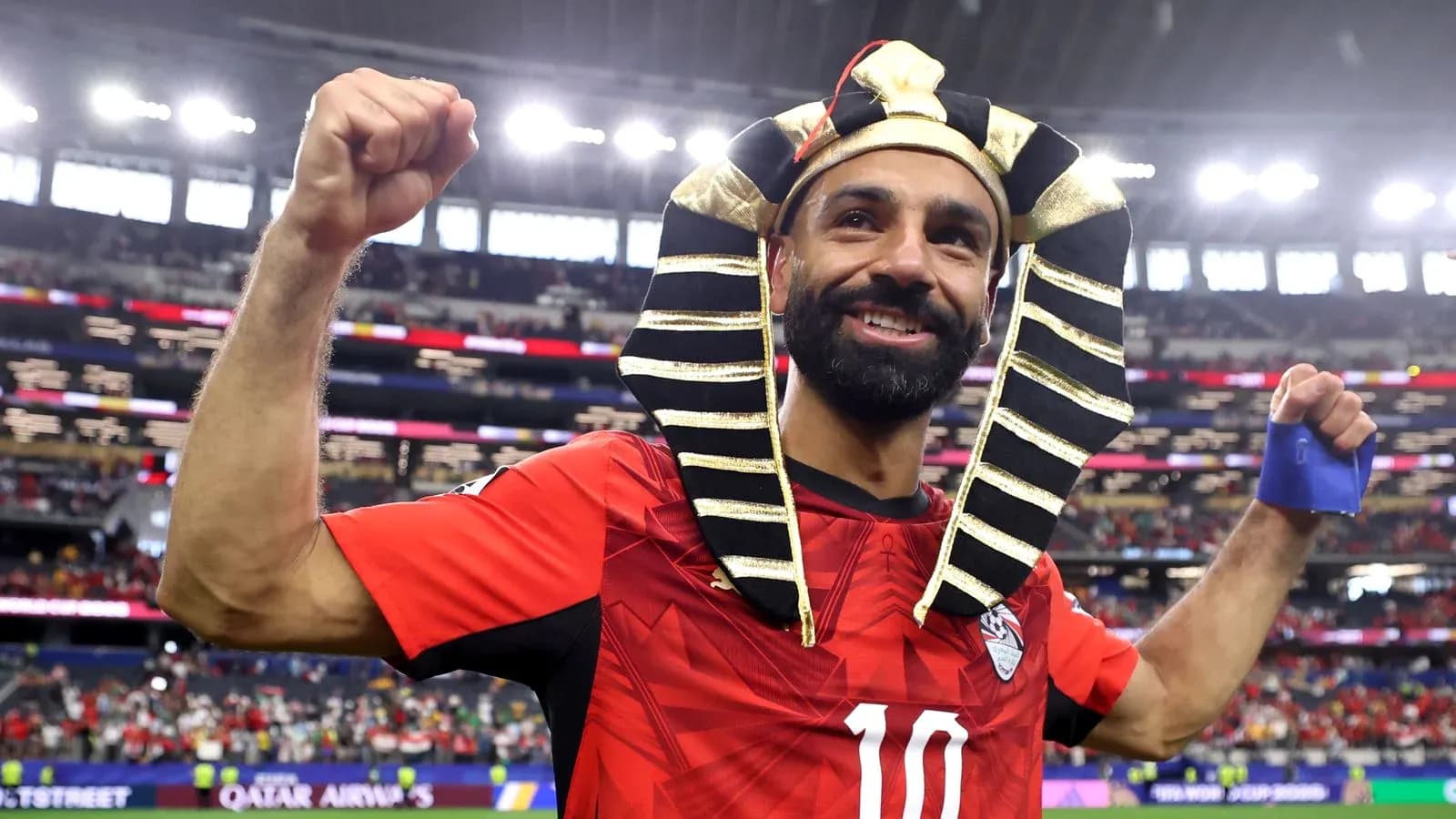
Egypt were ruthless. One after another, their takers stepped up and converted. No fuss, no drama, just cold precision. Salah, the captain, set the tone with the boldest choice of all: a Panenka, chipped straight down the middle as Ryan dived aside.
“If someone was going to do it, it was going to be me,” he said afterwards, and it felt exactly right. The most experienced player on the pitch, carrying the weight of a nation, choosing audacity over safety and landing it.
The pressure on Australia grew with each Egyptian success. After five penalties had been scored between the sides, Lucas Herrington walked up needing to keep his team alive. He went for power, struck through the ball – and watched it crash against the bar.
That was it.
Abdelmaguid stepped up with the chance to end it and did not hesitate. He sent Ryan the wrong way, wheeled away, and Egypt’s players sprinted to the corner, years of shoot-out frustration spilling out in a single roar.
History made, giants await
In the end, the margin was two missed kicks. The story behind it was much bigger.
Egypt had been the better side for long stretches, survived the gut punch of an own goal, watched a stoppage-time winner clawed away, then faced their old enemy from 12 yards with a fresh penalty specialist in the opposing goal. They still found a way.
Salah called it “history” and he was not exaggerating. For this generation, this felt like a psychological barrier smashed as much as a knockout tie won.
Australia leave with pride and regret. Tony Popovic was adamant his players had shown the world the strength of Australian football, and he was right. They fought, they adjusted, they dragged a superior side into deep water and very nearly pulled them under.
But this night belonged to Egypt, to their resilience, to their captain’s nerve from the spot, and to a group that refused to let the past dictate their future.
Next comes Argentina or Cape Verde. A meeting with Lionel Messi is on the table. Egypt have already stared down their ghosts in Dallas. Now we find out how far that courage can carry them.