.svg&w=384&q=75 "Naijagoal logo")


Chelsea and Monaco's Transfer Chaos: Balogun and Camara's Missed Opportunities
By the time the window slammed shut, nobody had really won.
A source with ties to both Chelsea and Monaco summed it up bluntly: the clubs had "played with fire and got burned". The late-night scramble involving Folarin Balogun, Lamine Camara, Everton and Chelsea turned into a cautionary tale of brinkmanship gone wrong.
Chelsea’s Enzo plan – and the Camara pivot
Chelsea went into the final days of the window with a clear plan: sell Enzo Fernandez to Manchester City for £125m and bring in a midfielder to balance the books and the squad.
Lamine Camara was high on that list. The 22-year-old Senegal international had impressed Monaco enough to be considered “not for sale” for most of the summer, yet Chelsea saw him as a viable successor to Fernandez if the numbers aligned.
Thiago Scuro, Monaco’s sporting director, had been fending off interest for days.
"I've been speaking to them for the last 10 days," Scuro said. "At around 16:00 BST yesterday we got contact from Chelsea. The answer was the same: no."
Monaco were firm. Not at that price. Not on those terms.
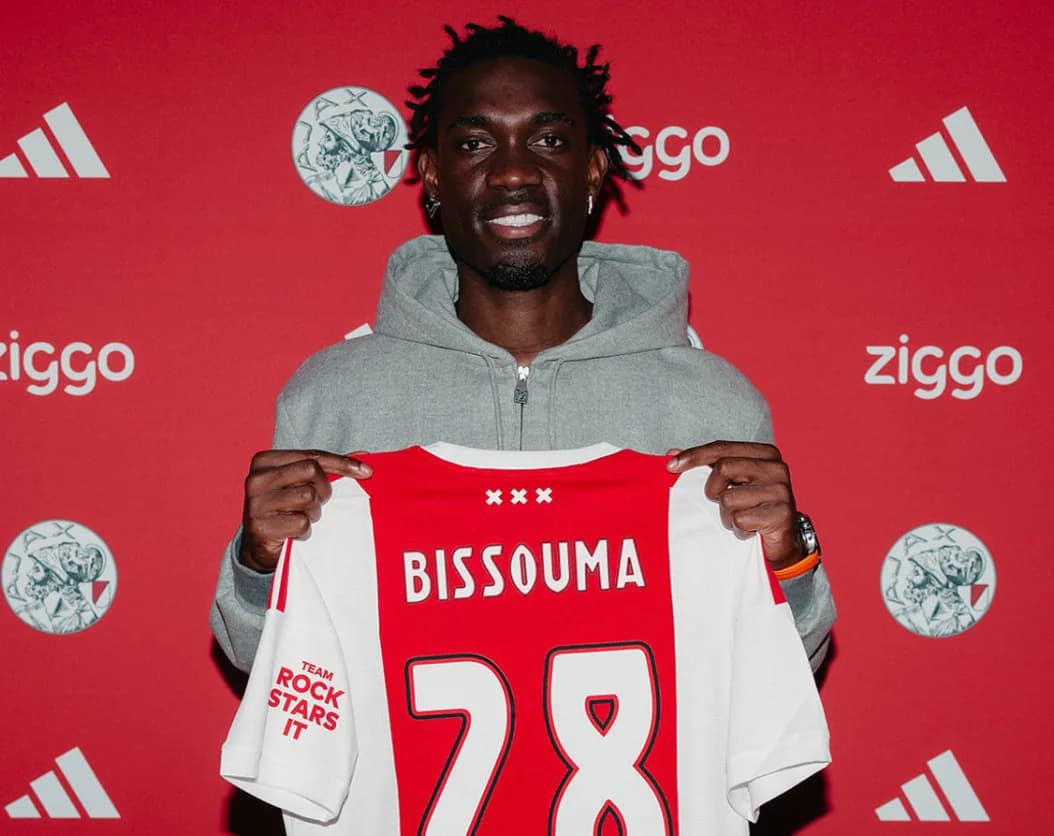
Instead, the French club pushed ahead with a different sale. United States striker Folarin Balogun, 25, was allowed to fly to Merseyside to complete a £40m move to Everton. Internally, Monaco believed Camara had agreed to stay.
With three hours left in the window, Chelsea accepted that stance. Their enquiries for Camara and Roma midfielder Manu Kone had gone nowhere. Enzo Fernandez was heading to Manchester, but the London club felt they could live with their midfield options – at least for now.
Then Balogun’s medical at Everton stalled. And the night flipped on its head.
Balogun’s medical opens the door
Issues flagged during Balogun’s medical suddenly changed the landscape. With the Everton move wobbling, Monaco were once again open to a Camara sale – this time at the £47m price point Chelsea had previously put on the table.
Negotiations restarted at around 20:00 BST. Chelsea moved quickly. Paperwork was completed in time. They didn’t even need a deal sheet.
While Chelsea pushed Camara towards the finish line, Everton were scrambling. Their search for an alternative to Balogun went nowhere, so with minutes to spare before the deadline they revived the original move for the American forward.
That decision triggered the decisive twist.
"What happened was that around 22:00 BST our time, maybe a bit earlier, Everton realised there was no issue and decided they were ready to sign the contract [for Balogun]," Scuro explained.
"As soon as we received that information, we came back to Chelsea and said there was no deal. Because that's also fair. It's part of the game."
For Chelsea, the timing was brutal. The club say Monaco informed them in writing that the Camara deal was off, rather than picking up the phone. For a club trying to close a complex transfer in the final hour, that detail stung.
Monaco, though, believed they had secured what they needed. They signed a deal sheet with Everton five minutes before the 23:00 BST deadline, granting extra time to complete Balogun’s move and, crucially, bank the sale they required to stay on the right side of Uefa’s financial rules.
They had targeted 150m euros in outgoing deals this summer and had reached 106m euros before the chaos of deadline day. Balogun’s sale was supposed to bridge that gap.
Then came one last twist in the early hours.
Balogun walks away
In the small hours of Tuesday morning, Balogun changed his mind.
The former Arsenal forward left Everton’s Finch Farm training ground without signing. A transfer that had been revived at the last possible moment simply evaporated.
Scuro later claimed Balogun felt he had been mistreated during his time at Everton’s training ground, an accusation the Premier League club dispute.
"We had to respect his decision," Scuro said. "We found solutions, challenged the medical assessment and worked through the issues.
"I don't want to create a war with Chelsea or Everton.
"My role is to protect Monaco and act in the club's best interests. That's what I've done since I arrived.
"It's not about being loved by people outside the club. It's about doing what Monaco needs."
Monaco ended the night with no Balogun sale, no Camara sale and a financial target still looming. Chelsea were left without the midfielder they had lined up to replace Fernandez. Everton, who thought they had finally secured their striker, saw him walk away.
Everyone, in some way, got burned.
Camara’s disappointment – and what comes next
No one felt the whiplash more than Camara. He had spoken to Chelsea manager Xabi Alonso, undergone a medical and signed a contract running until 2033. Then the plug was pulled.
Monaco admit he was disappointed, but Scuro insists the club expects a reaction.
He says Camara will be back with "full power" for Friday night’s trip to Paris St-Germain and believes this is a setback, not a dead end.
"I really understand because a player can get excited by conversations with a coach and by everything a club like Chelsea can offer," Scuro said.
"This is not the end of the world. It's one opportunity. For a player with his level of talent, I'm very confident he will soon have even better options and offers than the one he had yesterday."
Sources close to Camara say Liverpool retain long-standing interest, hinting that this saga may simply have been an early chapter in a longer Premier League story.
Monaco, meanwhile, may now look to sell other players to leagues where the window remains open to help close their financial gap.
Chelsea’s midfield gamble
From Chelsea’s perspective, the collapse of the Camara deal came as a shock. Once Monaco pulled out, there was almost no time left to pivot to an alternative.
Technically, Chelsea could have reversed Enzo Fernandez’s move to Manchester City. They chose not to, citing a sense of “professionalism” and a determination to stand by an agreement they had already made.
They wanted a midfielder, but only at the right price and on their own terms. That stance now feeds into a wider debate: have they left themselves short?
Alonso views captain Reece James primarily as a midfield option, alongside Moises Caicedo, Romeo Lavia and new arrivals Jordan Henderson and Valentin Barco within a 27-man squad.
Reality has already tested that plan. Injuries to Caicedo and Henderson, plus James’ workload, forced Alonso to deploy full-back Malo Gusto in midfield during the chaotic 4-3 win over Brighton. Chelsea had just 25.6% possession in that match – their lowest figure since such records began in 2003-04.
Barco, 21, did appear as a second-half substitute, but Chelsea are handling him carefully as he adjusts after a brief, stuttering spell at Brighton earlier in his career.
Inside the club, opinions differ. Some believe the current midfield group has enough quality and flexibility. Others look at nights like Brighton, or the failed Camara chase, and wonder if January will bring another push for reinforcements.
Chelsea retain the option of revisiting a move for Camara or targeting another midfielder when the window reopens. The market will be watched, and the numbers will matter.
A reshaped squad faces its first big test
For all the deadline-day chaos, Chelsea still leave the window with a reshaped squad and a net profit in the market – a rare sentence in recent Stamford Bridge history.
They have brought in World Cup-winning goalkeeper Emiliano Martinez, France international defender Maxence Lacroix and club-record £117m signing Morgan Rogers. Danny Welbeck adds experience up front, while full-backs Pep Chavarria and Marco Palestra deepen the options out wide.
The recruitment department has done its work. The balance sheet looks healthier. The midfield, though, remains the great question mark.
Now it falls to Alonso and the players he has to prove that the club’s hard lines in the market won’t cost them on the pitch.
The first serious examination comes on Sunday, away to champions Arsenal.