.svg&w=384&q=75 "Naijagoal logo")
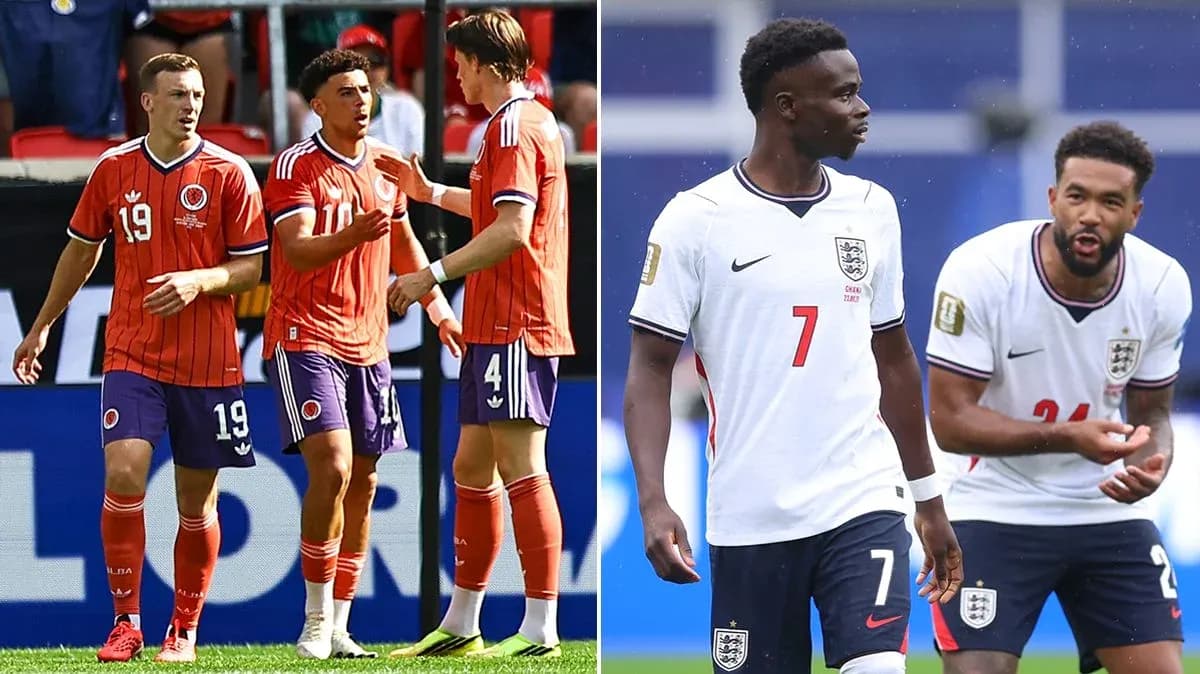

Bellingham's Call to Action as England Faces Panama After Ghana Stalemate
The World Cup has hit that awkward middle stretch. Legs are heavy, nerves are fraying, and suddenly the easy narratives don’t feel so easy.
England found that out the hard way in Boston.
Bellingham’s ‘second game fever’ warning
A 0-0 draw with Ghana was not in the script. Win, qualify, rotate against Panama – that was the plan. Instead, Thomas Tuchel’s side trudged off frustrated, short of ideas in the final third and still short of a confirmed place in the last 32.
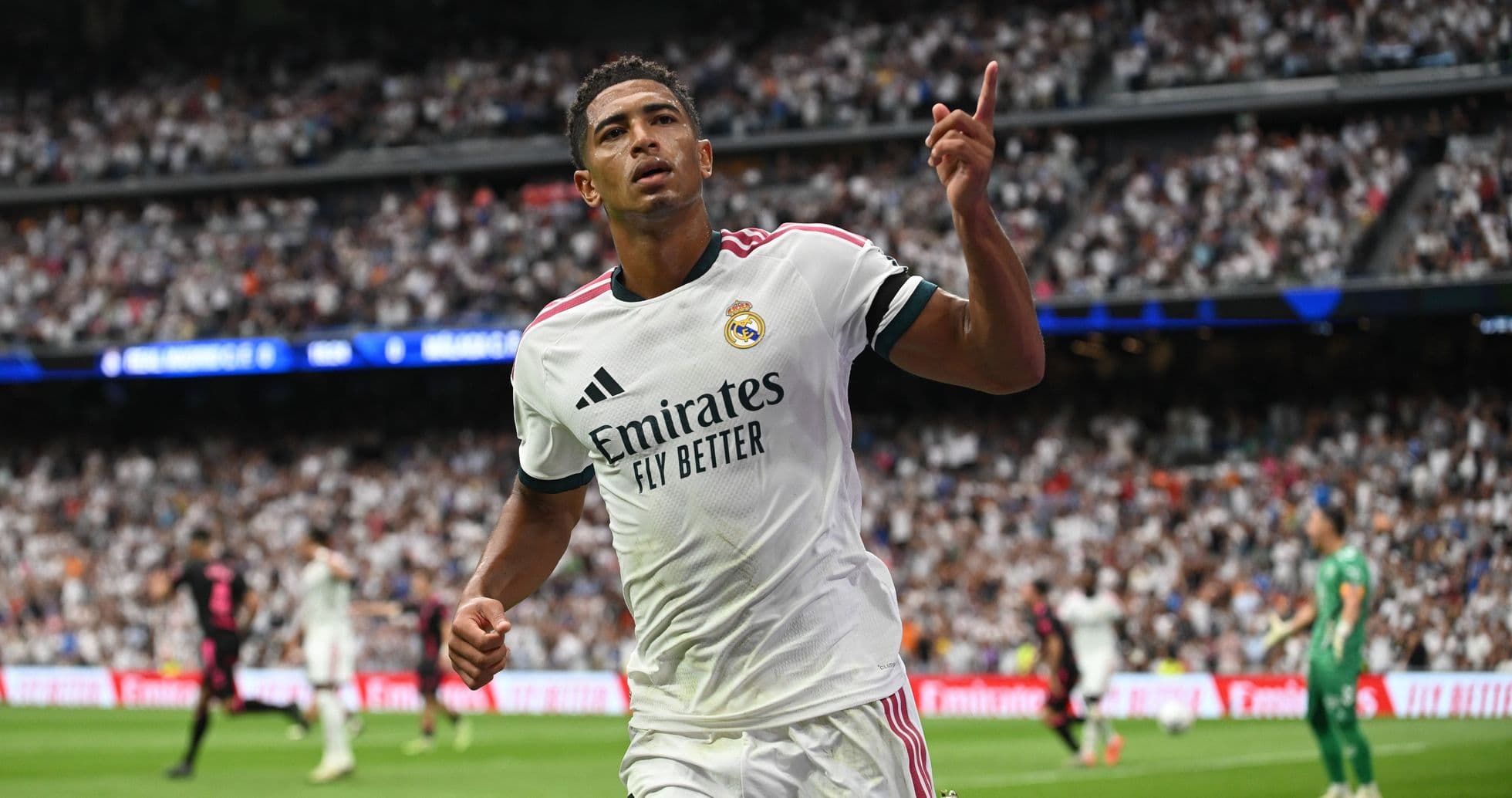
Jude Bellingham, named man of the match, refused to panic. He labelled it “second game fever” – a familiar English ailment at major tournaments. This was the fourth straight time they’ve drawn their second match at a finals, a run stretching back to Euro 2020.
His message was blunt: England have to “roll with it” and learn. No melodrama, no overreaction. Just a reset before Saturday’s meeting with Panama, where victory will secure top spot in Group L if they better Ghana’s result against Croatia.
The performance in Boston was stodgy, but not disastrous. England controlled Ghana’s counter-attacks, created enough half-chances and watched Nico O’Reilly rattle the underside of the bar. The margin, as Harry Kane pointed out, was fine.
Kane shrugs off late miss – and ‘over-reliance’ talk
Kane had the moment to win it. Seven yards out, late on, the chance he normally buries. This time he lashed over.
He is not dwelling on it.
“It’s part of a striker’s life,” the 32-year-old said, reflecting on a year in which “chances that probably shouldn’t have gone in” have flown into the net. “Nine times out of 10 I score but in football there is a feeling that it just doesn’t go your way.”
Kane dismissed the idea England lean on him too heavily. Tuchel has already rejected that narrative and his captain is on the same page. Any No 9 at a big nation carries that expectation; when the goals dry up, the questions arrive. “It is what it is,” Kane said.
Inside the camp, there is little appetite for a crisis. Eberechi Eze insisted the draw has not altered England’s mindset or the shape of Group L. “We set out to win anyway, so it changes nothing for us,” he said, stressing the need to stay level through a long tournament. England, he added, are “confident of what’s to come” and not overly dependent on their captain, even if his numbers make it look that way.
Rice walking disciplinary tightrope – and limping
One concern does linger. Declan Rice left the Boston Stadium with his leg strapped and a yellow card to his name.
The Arsenal midfielder, one of England’s better performers against Ghana, will have his fitness assessed before the Panama game. Early indications suggest there is no serious damage, though Tuchel may be tempted to rest him. Reece James, who completed the full 90 minutes after a stop-start season at Chelsea, is also due to be checked over and could be rotated.
On the disciplinary front, Rice now walks a tightrope. His booking for a foul on Jerome Opoku was England’s first of the tournament. Another yellow against Panama would trigger a one-game suspension for the second round under FIFA rules, with cautions only wiped after the group stage.
For a side expecting to go deep, losing their midfield anchor over a mistimed tackle would be an avoidable self-inflicted wound.
FIFA complaint ignites Bellingham flashpoint
Off the pitch, England have been dragged into an unlikely flashpoint. Reports in Spain say Paraguay have lodged a formal complaint with FIFA over the decision not to punish Bellingham for covering his mouth while speaking to Jordan Ayew.
The controversy stems from a new World Cup rule: players can be sent off for hiding their mouths during confrontations with opponents. Paraguay’s Miguel Almiron became the first to see red under the law in a fiery clash with Turkey, after a VAR review.
Bellingham, though, escaped sanction because his exchange with Ayew was deemed a friendly chat, not a flashpoint. The Paraguayan Football Association argue the regulation is being applied inconsistently and want answers.
The incident has become another strand in an already tense narrative around officiating and discipline at this tournament.
Witch doctor, world banter and a very modern World Cup
This World Cup has never been short on subplots, and England’s goalless night even drew a surreal one from Ghana.
Self-styled “witch doctor” Nana Kwaku Bonsam claimed before the match he had cast a spell to stop Kane scoring. After the captain fired blanks, Bonsam promptly took credit – then vowed to “free” Kane for the Panama game, declaring himself “the most powerful spiritualist in the whole world”.
It is theatre more than threat, but it underlines the scrutiny around England’s No 9. Every miss, every half-chance, every dry night is amplified.
Off the field, England fans have at least been winning admirers. Around 30,000 made the trip to Foxborough and UK Football Policing chiefs reported no incidents or arrests, praising their “exemplary” behaviour. Local authorities in Boston, and now Miami with Scotland’s travelling support, have echoed that sentiment.
Ronaldo roars back, Germany refuse to coast
While England toiled, Cristiano Ronaldo lit up his own group. The Portugal captain scored twice in a 5-0 demolition of Uzbekistan, announcing his “return” and silencing – for now – calls for him to be dropped after a poor showing in the opening win over DR Congo.
Bruno Fernandes, who set up Ronaldo’s second, admitted it was a relief to see his captain back among the goals. “He’s our go-to player in attack,” Fernandes said. Portugal now face Colombia in Miami on Saturday with top spot in Group K on the line.
Germany, already safely through, are refusing to treat their final group game as a dead rubber. Nadiem Amiri insisted they will approach the clash with Ecuador “like a final”, determined to maintain momentum and respect the integrity of the group. The message from the German camp is clear: no experiments, no easing off.
Weather, rules and the ghost of Gijón
Tournament organisers, though, are wrestling with a different problem: the skies.
France’s second group match against Iraq was stretched to almost four hours because of severe storms, raising fresh questions about the final round of group fixtures. Since the infamous “Disgrace of Gijón” in 1982, when West Germany and Austria were accused of engineering a 1-0 result to eliminate Algeria, FIFA has insisted final group games kick off simultaneously.
Article 12.4 still states that the last two matches in each group must start at the same time, unless “force majeure” applies. With summer storms and lightning a live threat, FIFA has quietly accepted that some decisive fixtures might be delayed – and therefore played with full knowledge of other results.
The fear of manipulation has not gone away. It has just been forced to share the stage with the weather forecast.
Scotland, Brazil and a night that could change everything
While England look ahead to Panama, Scotland are staring at Brazil.
Steve Clarke’s side arrive in Miami with their World Cup hopes balanced delicately on three points. A laboured 1-0 win over Haiti was followed by a sobering 1-0 defeat to Morocco, Ismael Saibari striking inside 70 seconds to leave Scotland chasing shadows and chasing the group.
Now comes Brazil, five-time world champions and finally purring after a 3-0 win over Haiti. The permutations are simple enough on paper, far more fraught in reality.
Beat Brazil and Scotland are through, potentially as group winners if Morocco slip against Haiti. A draw, most bookmakers agree, almost certainly sends them into the last 32 with four points – historically the magic number for third-placed teams.
Lose narrowly and they might still squeeze through on three points with a goal difference of -1, depending on how other groups unfold. Lose heavily and the dream probably dies on the spot.
Carlo Ancelotti is not treating Scotland lightly. The Brazil coach called them “fighters” with quality and organisation, name-checking Scott McTominay and John McGinn as experienced threats. “Easy games at the World Cup were finished a long time ago,” he warned.
Neymar back, Raphinha out – and the Tartan Army arrives
The subplot that will dominate the build-up is Neymar.
The forward has yet to play a minute at this World Cup because of a calf problem, but Ancelotti confirmed he is “available” and “ready to play” after a strong week in training. Whether he starts or comes from the bench, his presence alone shifts the mood. He brings, as his coach put it, “experience and knowledge” and a lift to a dressing room already brimming with attacking talent.
Raphinha will miss out after a hamstring injury in the win over Haiti, but Brazil are hardly short of options.
Scotland, by contrast, lean on spirit and structure as much as stardust. The Tartan Army have flooded Miami, kilts and bagpipes turning the beaches into a travelling fan zone. Local police have praised their behaviour and the “unforgettable atmosphere” they have created, echoing the compliments they received in Boston.
Kick-off against Brazil comes at the same time as Morocco–Haiti, a quirk of scheduling born out of that dark day in Gijón. The idea is to protect the competition’s integrity. The reality is a night of split screens, frayed nerves and instant maths.
England and Scotland on a collision course?
Amid all the noise, one tantalising possibility hangs in the air.
As it stands, England top Group L and Scotland sit third in Group C. If both hold their nerve – England against Panama, Scotland against Brazil – the old rivals are on course to meet in Mexico City on July 6 in the round of 16.
For that to happen, Scotland must first survive Brazil and the numbers game of third-placed qualifiers. England must avoid a slip that costs them first place. Both must manage injuries, suspensions and the mental grind of a month-long tournament.
Bellingham wants England to “roll with it”. Clarke’s players will need to fight through it. Somewhere between Boston, Miami and Mexico City, this World Cup is about to reveal who is really built for the pressure.