.svg&w=384&q=75 "Naijagoal logo")


Argentina's Homecoming: A New Era for the Albiceleste
The Albiceleste are coming home. And this time, they are staying.
The Argentine Football Association (AFA) are putting together a three-game home series for the FIFA window between 21 September and 6 October, according to ESPN Argentina, turning what was meant to be a globe-trotting tour into a national homecoming.
Monumental return, provincial embrace
The plan starts where it always seems to start: El Monumental. The first match of the window is pencilled in for River Plate’s stadium in Buenos Aires, with AFA weighing up a South American rival or a CONCACAF opponent for the opener.
After that, the spotlight is expected to move inland. Cordoba and Rosario have emerged as the leading candidates to host the remaining two fixtures, a deliberate push to take the world champions’ new era beyond the capital and into the provinces.
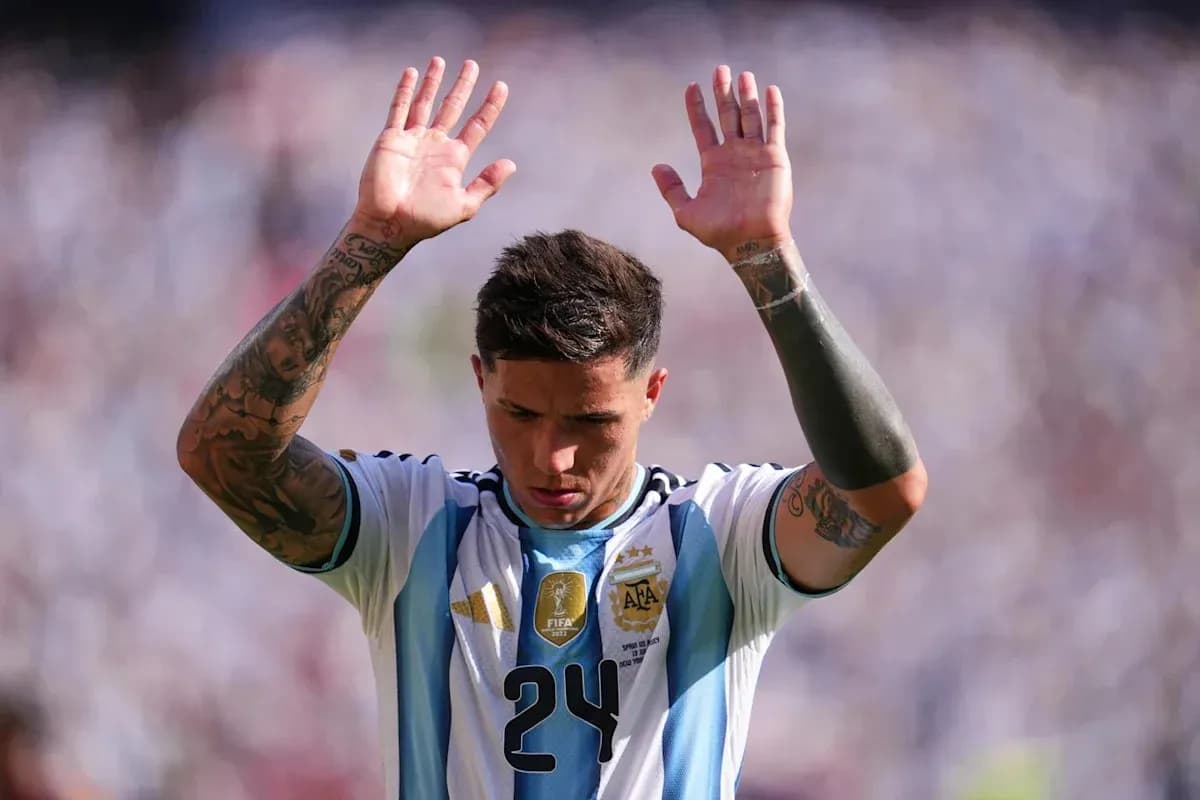
On Sportscenter’s morning edition, ESPN journalist Diego Monroig laid out the scenario in blunt terms. Lionel Scaloni’s team, he said, are “in a 90 percent chance” of playing the entire window on home soil after their original travel plans fell apart.
Those plans were not minor. A tour of Asia had been in the works, with a match against China described as “almost confirmed.” That vanished the moment Lionel Messi decided to end his international career, a decision that forced AFA to rip up the itinerary and start again.
The result: Argentina, without their greatest icon, will restart in front of their own people.
World Cup hosting puzzle in the background
While friendly dates and venues are being shuffled, a bigger question hangs over South American football.
CONMEBOL are deep in talks with FIFA to define how many World Cup spots the continent will have next time around and, crucially, how to handle the three co-hosts. Argentina, Uruguay, and Paraguay are guaranteed automatic berths as tournament hosts, but it remains undecided whether those places will be subtracted from South America’s traditional 5.5 qualification slots or added on top.
That ruling will shape the entire campaign. Argentina, though, have already made their stance clear. Despite their automatic qualification as co-hosts, the Albiceleste have formally requested to play the full set of qualifiers, wanting to stay in the competitive rhythm of the continent rather than watch from the sidelines.
Scaloni’s reset after World Cup heartbreak
All of this unfolds in the shadow of July’s World Cup final, where Argentina fell 1-0 to Spain. The defeat did more than end a title defence; it marked the close of an era, with Messi stepping away and Scaloni forced to redraw his tactical blueprint.
The upcoming three-match autumn window now becomes a laboratory. A vital one. Scaloni and his staff finally have room to test ideas, adjust the system, and give a new generation real minutes without the gravitational pull of their former captain.
The schedule will not ease up. Another FIFA window looms between 9 and 17 November, part of what promises to be a relentless international calendar. These next months are less about nostalgia and more about construction: who leads, who creates, who finishes, and who takes responsibility in decisive moments.
By the time the 2027 calendar begins, Argentina will want more than memories of what they were with Messi. They will want proof of what they can be without him.