.svg&w=384&q=75 "Naijagoal logo")

AC Milan vs Atalanta: Tactical Battle in Serie A Thriller
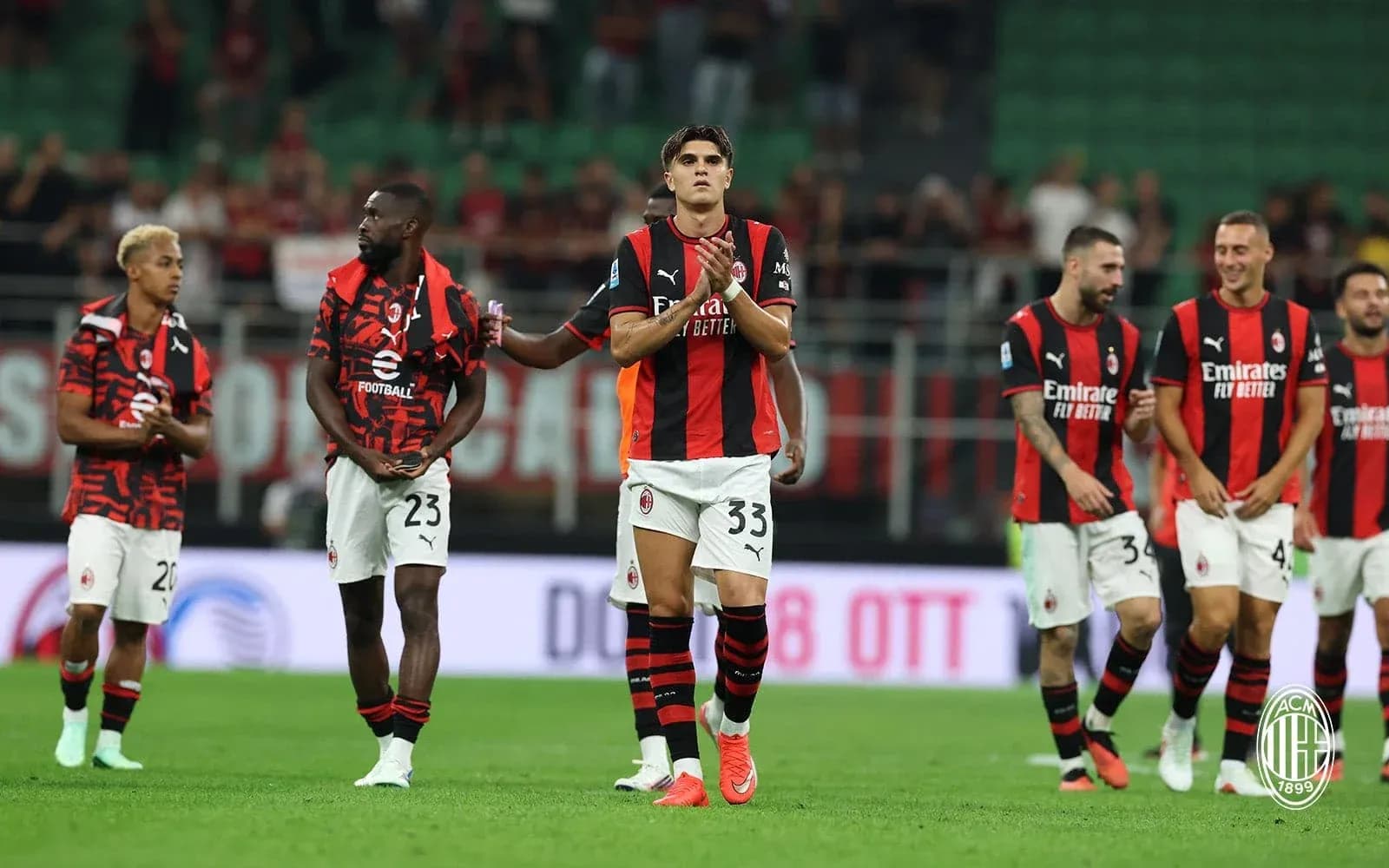
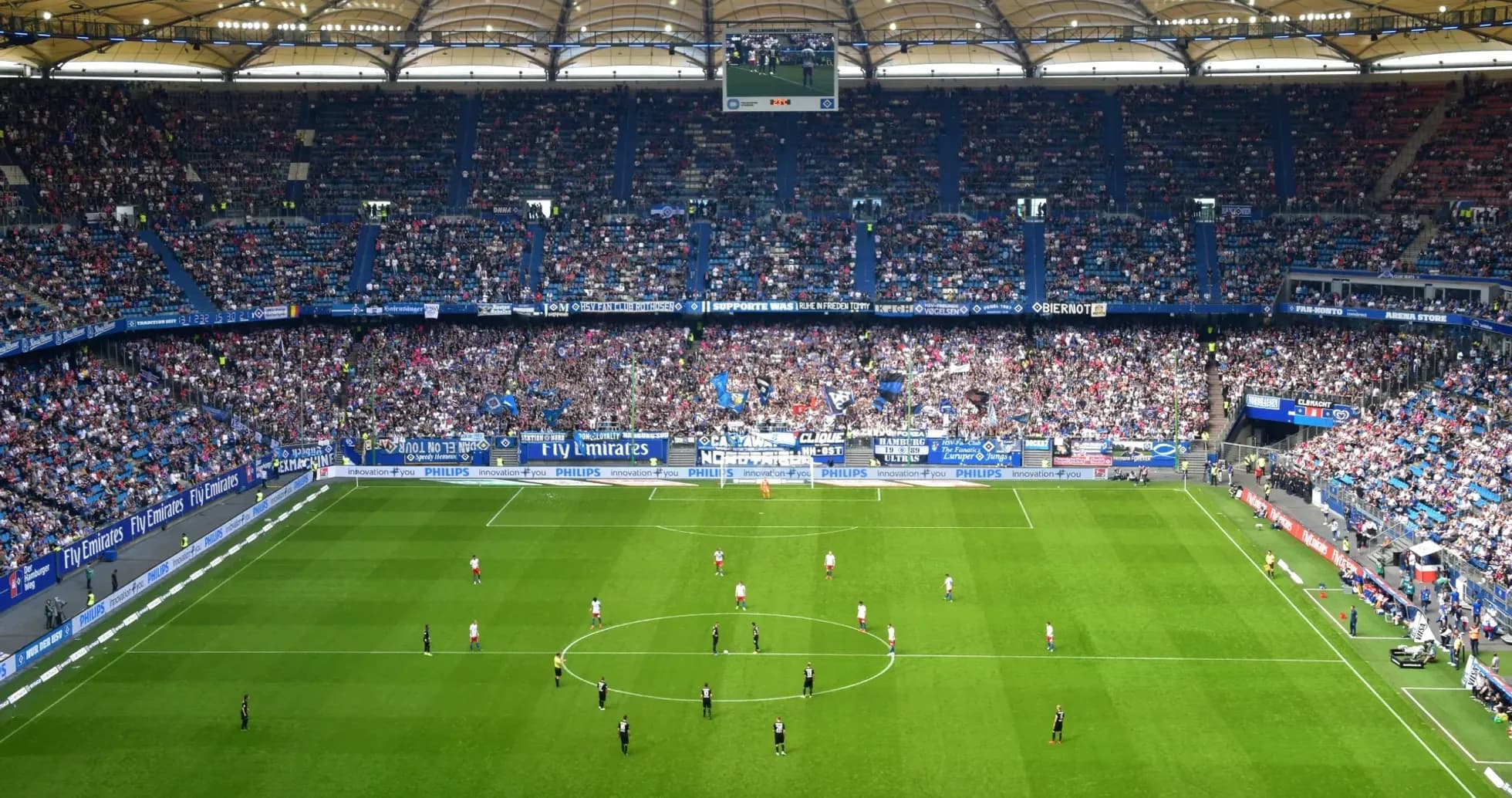
On a warm May evening at San Siro, Serie A’s run‑in produced a thriller that said as much about AC Milan’s evolving identity as it did about Atalanta’s ruthless edge. In a Regular Season - 36 clash that finished 3–2 to the visitors, the Stadio Giuseppe Meazza became a stage for contrasting interpretations of the back three, and for two clubs whose seasonal DNA is built on front‑foot football.
Heading into this game, Milan were 4th with 67 points, their goal difference of 18 carved from 50 goals for and 32 against across 36 matches. Atalanta arrived 7th on 58 points, with a goal difference of 16, matching Milan’s overall 50 goals but conceding slightly more at 34. Both sides mirrored each other in one key metric: 1.4 goals scored per match in total, a statistical hint that this fixture was always likely to tilt towards chaos rather than control.
Massimiliano Allegri doubled down on Milan’s season-long structural theme, rolling again with the 3‑5‑2 that has been his default – a formation he has used 32 times this campaign. M. Maignan sat behind a trio of K. De Winter, M. Gabbia and S. Pavlovic, with a broad five‑man band across midfield: A. Saelemaekers and D. Bartesaghi wide, R. Loftus‑Cheek, S. Ricci and A. Rabiot in the central lanes. Up front, the pairing of S. Gimenez and Rafael Leão promised verticality and individual brilliance.
Raffaele Palladino, by contrast, leaned into Atalanta’s established 3‑4‑2‑1, the shape they have used in 32 league games. M. Carnesecchi was shielded by G. Scalvini, I. Hien and S. Kolasinac, with D. Zappacosta and N. Zalewski as wing‑backs and the double pivot of M. De Roon and Ederson. Ahead of them, C. De Ketelaere and G. Raspadori floated behind N. Krstovic, the Montenegrin forward who has quietly built a 10‑goal, 5‑assist season and become one of the league’s more complete attacking reference points.
The tactical voids were significant, particularly for Milan. L. Modric’s broken cheekbone removed a deep‑lying conductor who might have altered the rhythm of Milan’s build‑up, while C. Pulisic’s muscle injury stripped Allegri of a wide playmaker whose 8 goals and 3 assists have often unlocked low blocks. The absence of F. Tomori through suspension forced Milan deeper into their centre‑back rotation; without his recovery speed and aggression, the back three of De Winter, Gabbia and Pavlovic had to defend more space against Atalanta’s fluid front three.
Atalanta were not untouched either. L. Bernasconi’s injury and, more critically, B. Djimsiti’s hamstring problem deprived Palladino of his most experienced organiser in the back line. Yet the visitors’ system is robust enough that Scalvini and Hien could absorb the responsibility, especially with De Roon dropping in to create a situational back four when Milan tried to overload central zones.
Discipline hovered over the narrative even if the match itself did not descend into chaos. Milan’s season card profile shows a pronounced late‑game spike: 25.42% of their yellow cards arrive between 76–90 minutes, and a further 15.25% in 91–105. Atalanta, similarly, see 22.81% of their yellows in each of the 61–75 and 76–90 windows, with red cards concentrated in the extremes – 50.00% in 0–15 and 50.00% in 76–90. This is a fixture in which tension statistically swells as legs tire and space opens, and the 3–2 scoreline only reinforced that pattern of emotional volatility.
The “Hunter vs Shield” duel was embodied by N. Krstovic against a Milan defence that, heading into this game, conceded just 0.9 goals per match in total and 0.7 on their travels but 1.1 at home. Krstovic’s 10 league goals and 74 shots (33 on target) speak to a high‑volume, penalty‑box profile; his 5 assists and 20 key passes underline his capacity to link. Against a Milan side that has kept 7 clean sheets at home but can be exposed when their wing‑backs are caught high, Krstovic’s movement between Gabbia and Pavlovic was always going to be decisive.
On the other side, Rafael Leão carried Milan’s cutting edge. With 9 goals and 3 assists, plus 55 dribbles attempted and 25 successful, he remains the Rossoneri’s chaos agent. His duel with Scalvini and Zappacosta down Milan’s left/Atalanta’s right was the purest expression of “Hunter vs Shield” in red and black: Leão’s ability to isolate and beat his man against a defensive unit that concedes 1.1 goals per match on their travels but has still managed 6 away clean sheets.
The “Engine Room” battle was no less compelling. For Atalanta, C. De Ketelaere – 3 goals, 5 assists, 60 key passes and 100 dribbles attempted with 49 completed – is the creative hub between the lines. His task was to find pockets around Ricci and Rabiot, drawing Gabbia out and creating channels for Krstovic. Milan’s response came through Loftus‑Cheek’s vertical surges and Ricci’s metronomic passing, tasked with progressing play in the absence of Modric and Pulisic and ensuring the front two were not marooned.
Palladino’s bench also contained a second “hunter” in G. Scamacca, another 10‑goal striker with 2 penalties scored, and a late‑game wildcard in L. Samardzic. Allegri’s options included N. Fullkrug and the dynamic P. Estupiñán, whose season has been coloured by both productivity and discipline – 1 goal, 1 assist, but also a red card in Serie A. In a match where Milan’s yellow‑card curve climbs steeply after 61 minutes, the timing of those substitutions was always likely to shape the final act.
Following this result, the statistical prognosis for both clubs sharpens rather than softens. Milan’s attacking output – 1.3 goals per game at home – is good but not elite, and when paired with a home concession rate of 1.1, it leaves little margin for error in tight contests. Atalanta’s balance is marginally more robust: 1.4 goals scored per match in total, 0.9 conceded, and a defensive record that, despite 20 goals shipped on their travels, is underpinned by 13 clean sheets overall.
Overlay expected goals onto these profiles and the picture is of two sides whose xG should sit in a similar band: Milan creating consistently but not overwhelmingly, Atalanta more efficient in transition and set structures. In a five‑goal match like this, variance and finishing quality inevitably play a role, but the underlying patterns hold. Atalanta’s capacity to generate clear chances through structured overloads and the individual quality of Krstovic and De Ketelaere gives them a slight edge in high‑tempo, open contests.
For Milan, the path forward is clear. The 3‑5‑2 has given them stability across the season, but without Modric and Pulisic their ceiling in possession drops, and they lean heavily on Leão’s individualism. To turn nights like this into Champions League‑level statements rather than near misses, Allegri will need more collective chance creation and a tighter defensive line, particularly at home.
For Atalanta, this 3–2 away win at San Siro feels like confirmation: their 3‑4‑2‑1 is not just aesthetically pleasing, it is statistically sound. In a league where both sides average 1.4 goals per match in total, the team that can better manage late‑game discipline and convert high‑value chances will continue to tilt the margins in its favour. On this night, that team wore blue and black.