.svg&w=384&q=75 "Naijagoal logo")
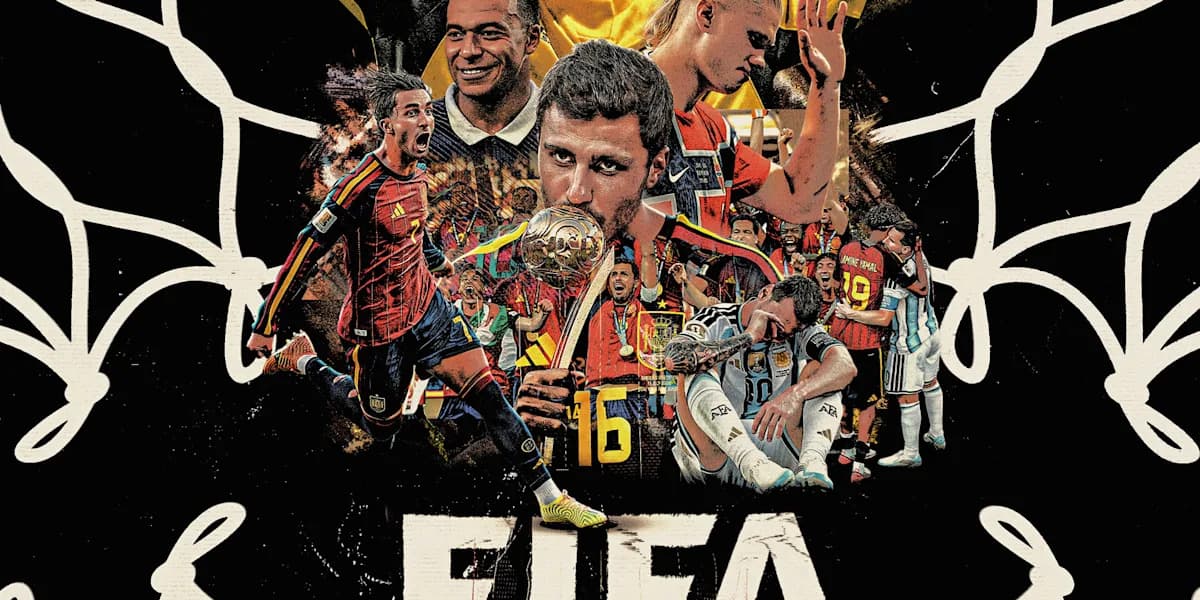

How the 2026 World Cup Captivated America and Surprised the World
America Embraces the 2026 World Cup
The 2026 World Cup stretched across the United States and beyond, transforming many indifferent observers into passionate fans while deepening the devotion of longtime supporters. Despite initial skepticism from the global soccer community, the tournament captured the attention of a diverse and growing audience.
Inside the World Cup Experience
Covering a single team in this sprawling event means missing much of the broader spectacle. Between tracking injuries, learning new chants, and juggling logistics, the tournament’s full scale can feel distant. Yet, glimpses of enthusiasm — from fans, merchandise, and ads featuring Timothée Chalamet — hinted at a larger celebration unfolding.
The true sense of the event hit after the U.S. team's early exit. At an airport gate following the Spain-France semifinal in Dallas, travelers anxiously asked if their flight offered live TV to watch Argentina vs. England. When the match aired on seat-back screens, cheers and groans erupted mid-air, and strangers debated tactics as the plane descended. The flight attendant even acknowledged it as "football," embracing the global term.
A Festival Beyond the Stadiums
Similar scenes played out in terminals and city streets: crowds peered at highlights in bars, drivers discussed upcoming matches, and fans shared excitement. Though the U.S. is not traditionally seen as a soccer powerhouse like Argentina or England, this World Cup sparked newfound interest nationwide and throughout the continent.
Defying Doubters
Critics predicted empty seats, lackluster atmospheres, and subpar venues. Instead, attendance remained strong despite high ticket costs and the demanding schedule of 104 matches across various climates. Mexico’s rich soccer culture and Canada’s historic ties to the sport helped set a solid foundation, but the U.S. marked a turning point in its soccer journey. The sport’s availability has grown dramatically over the last decade, moving from obscure late-night broadcasts to mainstream presence.
Record Viewership and Rising Passion
Fox and Telemundo drew massive audiences — 50 million for the U.S.-Belgium clash and 45 million for Mexico-England — only surpassed by NFL ratings. This surge reflected both the World Cup’s appeal and growing weekly fan engagement through leagues like the Premier League, Liga MX, and Major League Soccer.
Memorable Stories and Emerging Stars
The expanded tournament allowed for remarkable tales: Cape Verde, a small African island nation, advanced to knockouts and challenged Lionel Messi’s Argentina. Norway’s fans brought rowboats to the stands, Dutch supporters filled cities with orange, and Argentines took over places big and small. Unique cultural moments mixed with unexpected friendships — including Spaniards bonding with locals in Chattanooga and fans discovering ranch dressing.
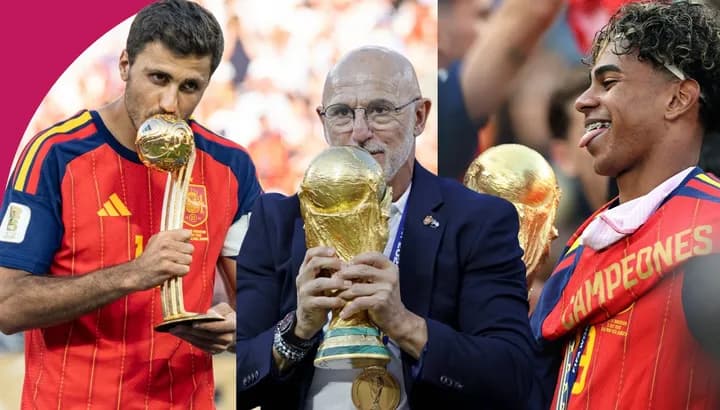
Spain’s Rodri, named the tournament’s best player, experienced a personal connection to the U.S., having spent his youth near MetLife Stadium. Messi, defying age at 39, shone brightly in his sixth World Cup, finishing second in scoring behind Kylian Mbappé. Though quiet in the final due to Spain’s tight defense, his brilliance was undeniable.
New Heroes and National Pride
The tournament introduced American audiences to stars like Norway’s Erling Haaland, Cape Verde’s veteran goalkeeper Vozinha, and U.S. forward Folarin Balogun, who handled adversity with grace. The U.S. team inspired belief not only by winning group matches but by the style and spirit they displayed. Their Round of 16 loss to Belgium was tough but showed promise.
Other host nations also exited in the Round of 16, though Canada celebrated its first-ever World Cup wins, and Mexico impressed at the historic Estadio Azteca before bowing out to England in an intense, high-scoring match. Brazil and Germany, traditional giants, left earlier than expected, while Morocco continued to prove their strength by reaching the quarterfinals.
Star Performances and Spain’s Triumph
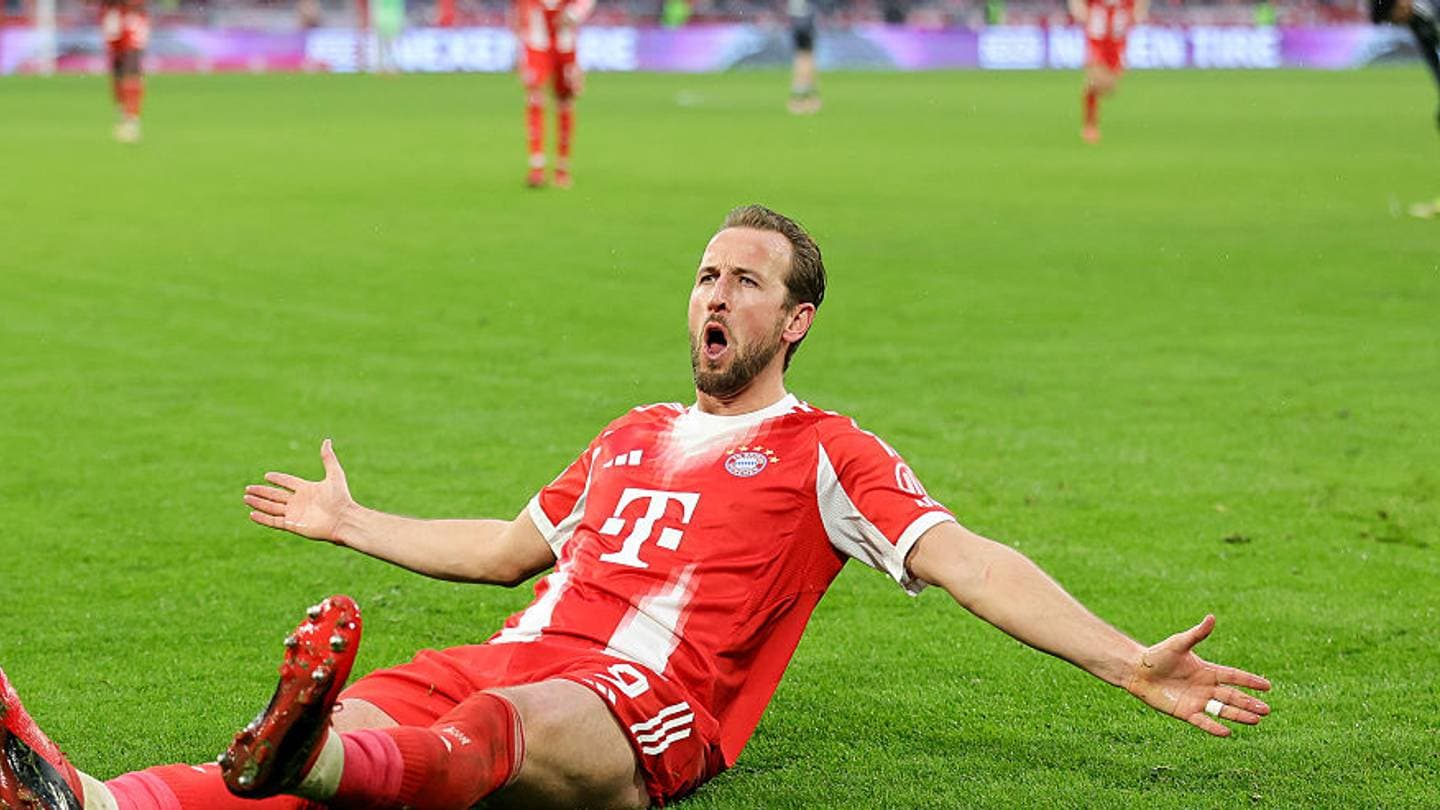
Mbappé established himself as the World Cup's top scorer with tournaments ahead, Kane and Haaland were deadly in front of goal, and young talents like Jude Bellingham and Michael Olise dazzled. In the end, Spain’s collective approach prevailed. They controlled games through possession, discipline, and relentless pressure, earning respect alongside their female counterparts.
The final might not have thrilled all purists, with Spain needing extra time to secure victory, but it was a victory nonetheless. After 39 days of intense competition, the tournament crowned La Roja and celebrated the enduring allure of soccer.