.svg&w=384&q=75 "Naijagoal logo")

World Cup 2026: Socceroos Face Key Injury Blow Ahead of Paraguay Clash
World Cup 2026 has finally slipped into full stride, and with it comes the chaos, controversy and sheer theatre that only this tournament can summon.
Socceroos lose a key weapon on the right
Australia’s margin for error was already thin. Now it’s thinner.
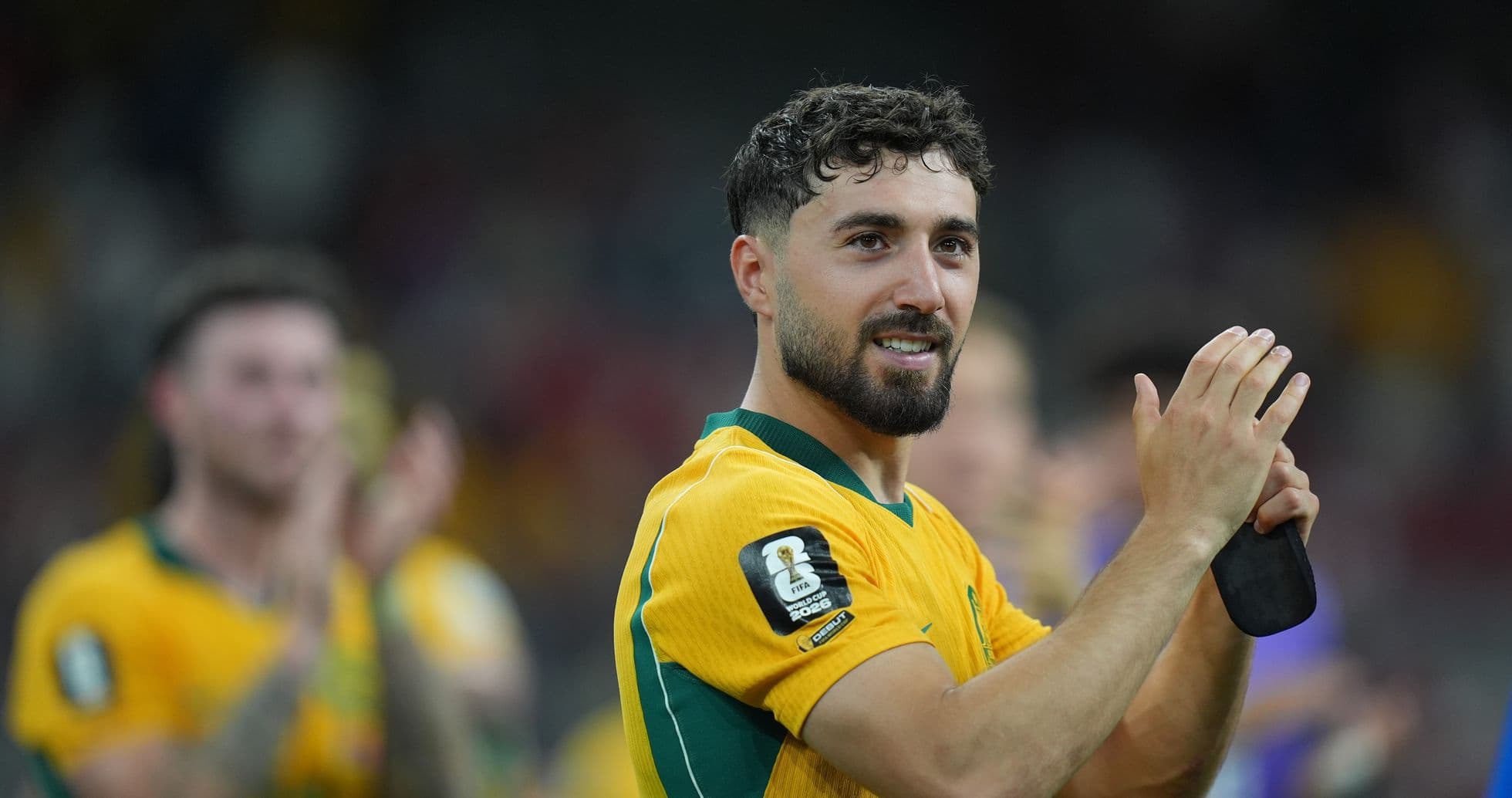
Alessandro Italiano, who had quietly become one of Tony Popovic’s most important pieces, is set to miss the crucial clash with Paraguay through injury. Having stepped in for the sidelined Lewis Miller, Italiano had locked down the right wing-back role, grafting through 90 minutes against the USA after helping keep Turkiye scoreless on Matchday 1.
Now Popovic must reshape his defence and his approach without the man who had given him balance on that flank. With Mat Leckie already absent, Australia’s depth on the edges suddenly looks exposed.
The tactical questions grow louder because of what happened in Seattle. Australia retreated into a deep shell against the USA, conceded twice before half-time, and only came alive when Connor Metcalfe, Nestory Irankunda and Cristian Volpato arrived from the bench. The change was instant; the tempo jumped, the Americans were forced back, and the game flipped.
Craig Foster wants that version of Australia from the start.
Speaking on 1170 SEN Breakfast, Foster didn’t dance around Popovic’s reputation.
“He's done a great job, he qualified them automatically, which we hadn't done some time, so his record is brilliant,” he said, before turning the spotlight on that cautious streak.
“The game against USA, of course, that's when you get caught, because if you're a bit too cautious and you go behind, it's very difficult to get back into the game. So hopefully he's learned from that, and I'm sure he has.”
Foster called for a bolder opening, powered by youth and pace.
“I’d like a little bit more of an aggressive approach. I don't think he's going to go with full attack in the first half, but I certainly hope that he does put the young really quick guys on anyway.
“That'll give us the best opportunity when we do have those chances that we'll have someone there, speedy enough to get on the end of them and also capable of taking them.
“I think that's right (to start Volpato and Irankunda). Volpato has obviously only played that one bit, but he showed enough in that short cameo… he was phenomenal.
“I mean, that has to make a statement to the coach. It has to. So, I'd be surprised if we didn't see him and Irankunda in the first half definitely.
“Get yourselves ahead of Paraguay, and then of course we've already shown that our defensive organisation means we're very, very difficult to break down, like Ghana were this morning.
“But he's got to work out how we're going to actually create more chances and take those chances, and you need the best attacking players to do that.”
Australia know the equation: strike first, then trust the structure. Without Italiano, the risk only increases.
Colombia climb, Congo cling on
Elsewhere, Group K tilted on a single swing of a right boot.
Right-back Daniel Muñoz stepped up in the 76th minute to score the only goal of Colombia’s match, a strike that nudged them to the top of the group with six points and the kind of authority that suggests they plan on staying there.
At the other end of the table, Congo are still alive, but only just. One point on the board, a sliver of hope remaining. Beat Uzbekistan on Sunday and they can still sneak through as one of the best third-placed sides. Fail, and the World Cup ends with a whimper.
Fire and respect in Boston: Bellingham vs Queiroz
In Boston, the football barely flickered in a drab 0-0, but the touchline crackled.
A heavy Jude Bellingham challenge on Jerome Opoku, right in front of the dugouts, lit the fuse. The England playmaker escaped a card but not a confrontation, as he and Carlos Queiroz became embroiled in a heated exchange while the players walked off.
Queiroz later laid out his version of events.
“He had a bad reaction with some bad names,” he said, explaining that his first instinct had been to calm the situation after Bellingham went in with his foot on the defender.
“In the middle of the emotional moment these things are normal. He swears and that created more tension. It's football, it's nothing special. One word created a bit of fire but we cooled down. Football is not dancing in a saloon with tuxedos. It's not a show.”
Bellingham’s explanation carried a similar mix of contrition and competitive edge.
“It was just when I made a silly tackle, to be honest. I was trying to win the ball, and I followed for a little bit and caught the lad. I spoke to him after, and then their bench jumped up trying to get me a yellow card.
“So, I think their manager, I just recognised him. He's obviously the one who used to be at Manchester United, so great respect, and nothing but a competitive edge for both of us.”
The match itself left more questions than answers. The 0-0 draw, described as frustrating and sub par, pushed the side in question up to third in Group L on three points, behind England and Ghana, who sit on four.
Croatia now face Ghana on June 28 with everything on the line. Win, and they reach the Round of 32. Draw, and they cling to the hope of squeezing through as a third-placed team. Panama, already eliminated, will be playing for pride when they meet England on the same day.
England hit the low block wall
If England’s 4-2 win over Croatia hinted at something expansive and ruthless, Ghana dragged them back to reality at Foxborough.
For 95 minutes, Ghana parked the bus, then parked a second one for good measure. England huffed, puffed and rarely looked like blowing anything down. The refereeing was inconsistent, the game physical, and the overall spectacle flat. Declan Rice’s yellow card, borne out of visible frustration, summed up the mood.
“What a comedown from that victory over Croatia,” was the verdict. “Great for Ghana, really below par for England.” On the table, though, England remain top on goal difference, with Ghana right behind them.
Micah Richards didn’t spare the criticism.
“The frustrating thing was that England weren't brave enough. Yes, we knew they were coming up against a team that would set up in a low block, but I just felt that there were too many safe passes.
“You need to be more brave when you come up against a team in a low block.”
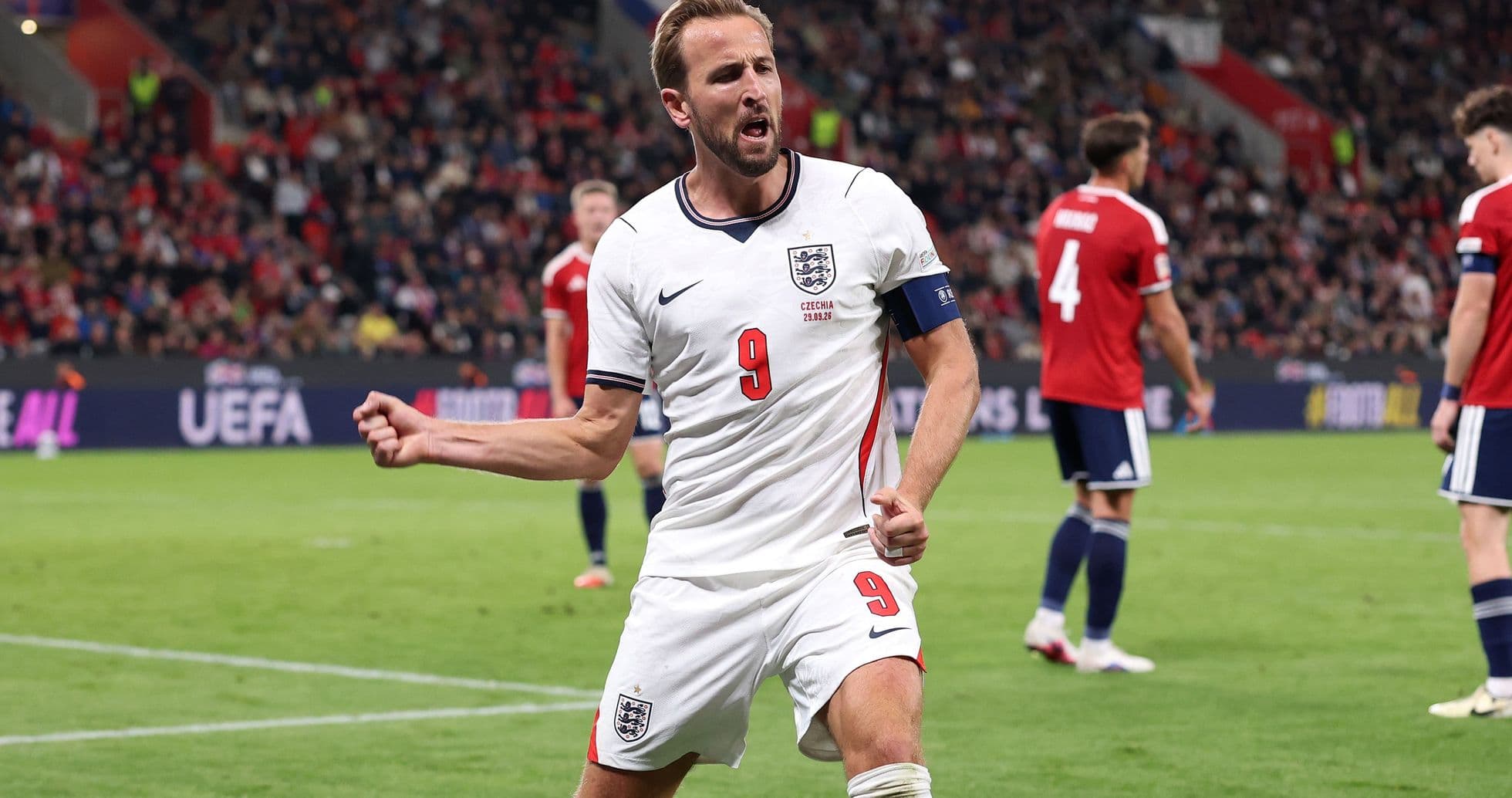
Harry Kane, so influential with a brace against Croatia, found himself shackled.
“I was kind of man-marked there with (Thomas) Partey for a lot of the games,” he told the BBC.
“I didn't have the space to drop deep and then arrive later in the box, but they also defended the box well.
“We had plenty of crosses with, but just couldn't quite get the first contact.
“The balls were the middle were kind of tough to play because it was so compact in there, so it was a game we kind of felt got better as we went along, and we started getting the winners one v one and they was dangerous.
“You go through games like that, we're playing in the World Cup, you play against a decent side who are compact and make it difficult, and that's what we come against today.”
Wayne Rooney, who knows Queiroz’s methods as well as anyone from their Manchester United days, called it a classic performance from a team drilled by the Portuguese coach.
“You're always hoping for that energy and that performance that we had against Croatia in the second half. These games are so difficult when the teams sit back,” he said.
“You have to break them down, and you have to find the space. For me, the key was getting crosses into the box. That is where all the chances came from.
“We keep going, we still have a great chance of finishing top of the group. There's no need to be negative; we need to stay positive.”
The message is clear: England remain in control of their fate, but the swagger will have to be earned, not assumed.
New twist in the penalty shootout drama
Away from the pitch, FIFA is quietly tinkering with one of football’s most nerve-shredding rituals.
Penalty shootouts currently start with two coin tosses: one to choose the end, another to decide who kicks first. When Arsenal’s Champions League final went the distance, they lost both tosses, kicked second into a wall of PSG fans and, ultimately, lost the shootout.
FIFA now plans to strip that down to a single toss. The winner will pick either to kick first or choose the end. The other captain gets the remaining decision. It’s a small change, but at this level, perceived fairness matters.
From the Round of 32 onwards, if the game is level after 90 minutes and 30 more of extra time, penalties take over. The stage will be the same. The rules, slightly sharper.
Ronaldo roars back into the spotlight
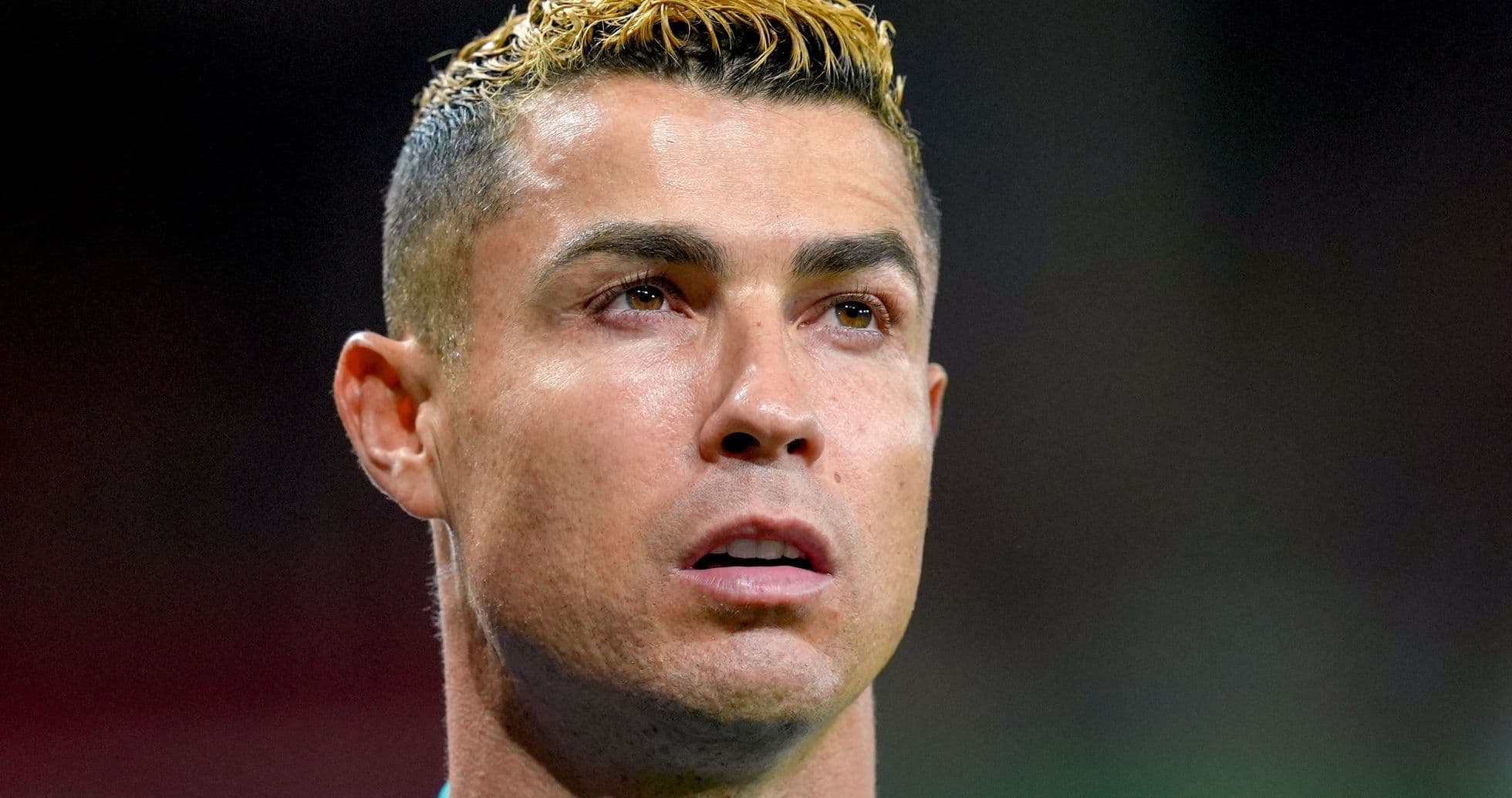
Cristiano Ronaldo and Portugal have finally joined the party.
After a 1-1 draw with DR Congo in their opener, questions circled: was the 41-year-old still worth his place? Was Roberto Martinez too wary of the backlash to leave him out?
Uzbekistan got the answer. Portugal crushed them 5-0, Ronaldo scoring twice to all but seal a spot in the knockouts and silence the murmurs, at least for now. His brace arrived on the back of doubles from Lionel Messi, Kylian Mbappe and Erling Haaland the previous day – a generational roll call lighting up the tournament.
Ronaldo framed it as a response to a dark week.
“I knew it. God helps those who work hard. It was a difficult, dark week, it felt like I was already retired from football, but I held on as I always do because I believe more in hard work than in football. It was difficult, I have to confess, but we're back.”
Roy Keane, never shy in his opinions and never short on admiration for his former teammate, pushed back at the doubters.
“Cristiano Ronaldo was never gone. He is the man. What is up with everybody? Doubted genius.
“We met Tom Brady the other day. He is up there with all these sports people. He's the man. Great to see him back. His two goals were excellent.
“Again, he has joined the party. The hardest point of the game is putting the ball in the back of the net. And he does.”
At 41, Ronaldo is still bending tournaments to his will. How long he can keep doing it is another question entirely.
Grief in the French camp
Amid the noise of the group stage, a quieter, more human story has cut through.
Didier Deschamps has left the France camp after the death of his mother. The French Football Federation confirmed he will miss training sessions and will not be on the bench for Friday’s final Group I match against Norway.
“Didier Deschamps will not be able to oversee training sessions ahead of the Norway v France match. He will also be absent from the bench for Friday’s final Group I game,” the FFF announced.
“The national team coach learned this morning of the death of his mother and will return to France to attend her funeral.
“In agreement with Philippe Diallo, president of the French Football Federation, who is currently at the France team’s base camp, Deschamps has entrusted assistant coach Guy Stephan with responsibility for leading the squad until his return.”
France must now navigate a key fixture while their long-serving coach grieves at home.
England’s late-night grind and American reality check
For those watching England deep into the night, the Ghana stalemate felt like slow torture. One observer put it bluntly: Ghana “have parked a double decker bus and are defending for 90 minutes. That seems to be the game plan.”
England had no answer. No chances of note, rising irritation, Rice’s booking screaming, “you lot are doing our heads in”. It was the kind of World Cup game that tests patience as much as quality.
Across the Atlantic, another narrative is unravelling: the United States and their World Cup bravado.
The trash talk has been flowing, particularly around that bad-tempered clash with Australia, which the Americans won and, by rights, can crow about. But former US goalkeeper Tim Howard has cut through the bluster with a dose of cold realism.
On the Unfiltered Soccer Podcast, debating with Landon Donovan, Howard didn’t sugarcoat his view.
“The US cannot, unequivocally, win the World Cup,” he said. “The US will have to play the greatest game they’ve ever played four times in a row.
“They’re going to have to beat (four) world soccer powerhouses in a row… The round of 16, quarterfinals, semi-finals, finals. It is literally impossible for the US to win the World Cup… That’s just the reality.”
The World Cup has a way of punishing arrogance and exposing limits. Over the next fortnight, we’ll find out who adapts, who doubles down and who dares to rip up the script.