.svg&w=384&q=75 "Naijagoal logo")

Rashford Returns: United's Shift from Amorim to Carrick
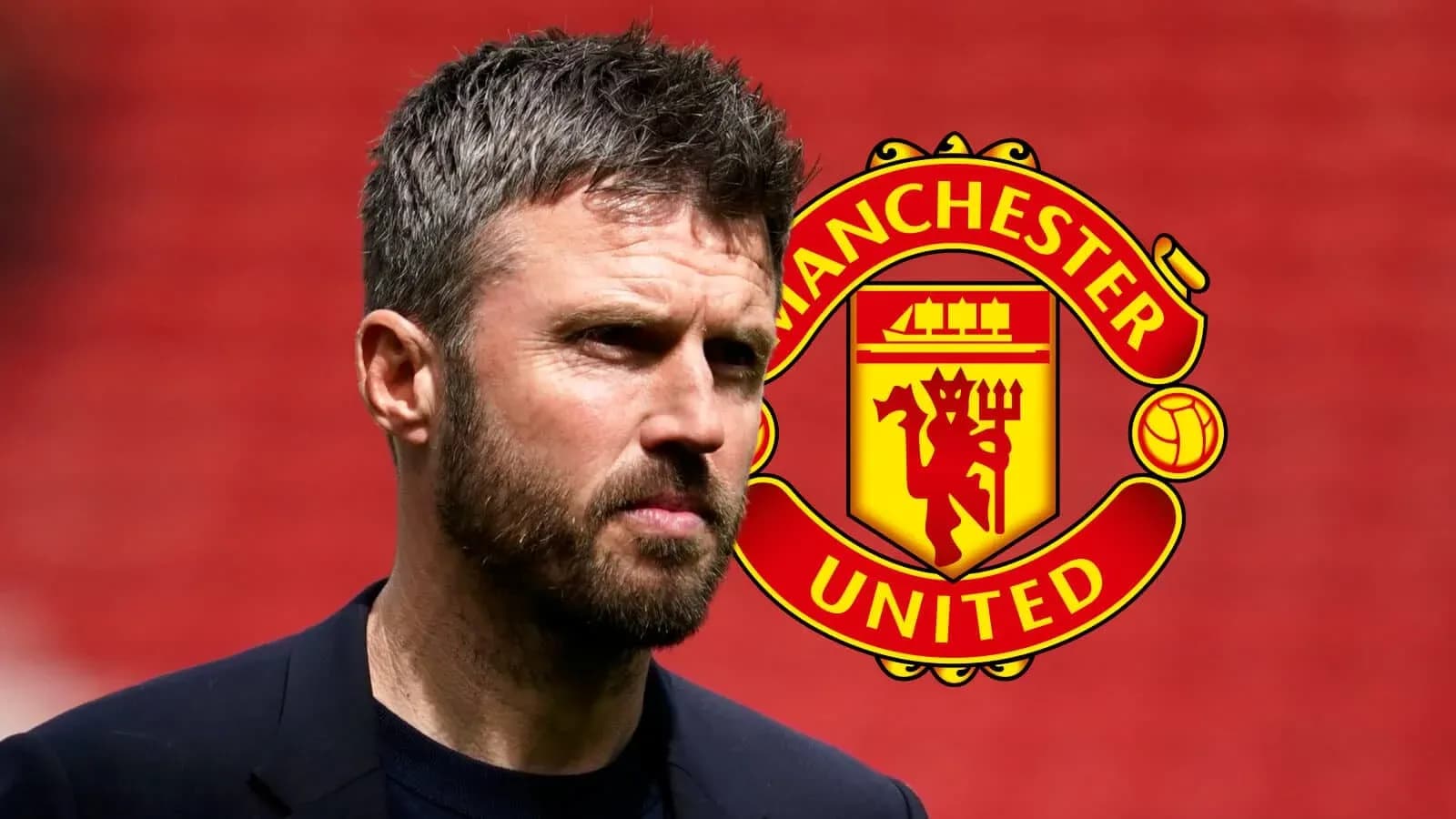
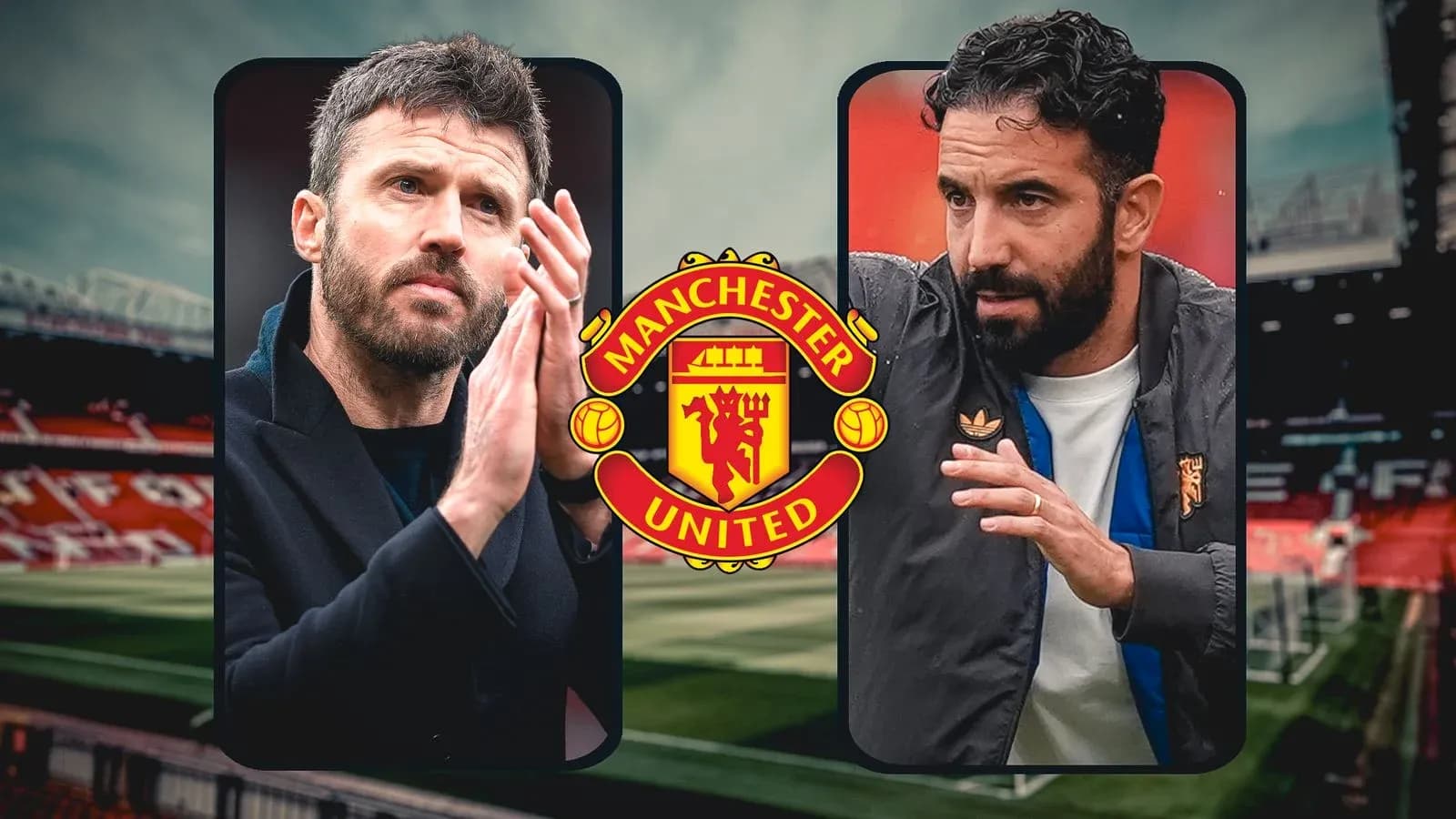
Ruben Amorim once told Manchester United fans they would have to suffer if they wanted success. Michael Carrick has told them something very different: there is still a United way to win – and it does not have to feel like a storm every week.
Twelve months ago, the cast list looked the same but the script was unrecognisable. Marcus Rashford was lighting up Barcelona, Carrick had just been sacked by Middlesbrough, and Amorim was bracing for his first full season at Old Trafford. Now they all converge again, Rashford in red once more, Amorim in AC Milan colours, Carrick in the manager’s chair.
The reunion is anything but sentimental.
Rashford, the prodigal forward, walks back into a dressing room where the power dynamic has flipped. The new head coach is not a stranger parachuted in from abroad, but a former team‑mate and captain. Carrick has his arms open, offering a route back into the story Rashford began writing as a teenager in Manchester.
Amorim stands on the other side, in black and red, trying to end a winless pre-season against the club that dismissed him five months into last year. His Milan project is still finding its feet. His United one never really did.
Saturday’s meeting between United and Milan is billed as a friendly. It feels like the next episode of a long-running drama.
From rigid to recognisably United
Amorim’s time at Old Trafford will always be framed by one thing: his refusal to bend.
He arrived with a 3-4-3 he trusted and clung to it. Under pressure, he doubled down. Under scrutiny, he famously declared that not even the Pope could convince him to change his system. The line went viral. The results did not.
When the Africa Cup of Nations stripped numbers from his squad, the structure stayed the same while performances frayed. There were flickers of tactical compromise towards the end, but they never lasted. He reverted to his back three and, with it, to the tension that built between him and the club’s hierarchy.
Supporters felt the disconnect. They saw goals – United could be free-scoring in bursts under Amorim – but they did not recognise the shape of their team. Three at the back might have been fashionable elsewhere; at Old Trafford it felt like a costume, not a fit.
Reports from Milan suggest a familiar pattern. Confusion in the camp. Players shunted into roles to serve the system rather than the other way round.
Carrick’s first match in charge cut straight through that. A Manchester derby, at Old Trafford, and he set his team up to run at Manchester City, not hide from them. United pressed high, broke with intent and shredded City on the counter. The 2-0 scoreline flattered the champions. It could have been ugly.
That day laid down the template. The ball goes forward quickly now. Summer signing Andrey Santos looks to punch passes through lines instead of circling around them. Bryan Mbeumo has been unleashed centrally, forever darting in behind, stretching defences until they snap.
Bruno Fernandes has been restored to his natural habitat at No 10 and responded by tearing up the record books, setting a new Premier League assist mark. The debate over United’s identity, once a weekly talking point, has largely vanished.
Under Carrick, the football looks and feels like Manchester United again.
Belief back in the stands – and on the pitch
The shift is not just tactical. It is emotional.
Amorim’s press conferences were compulsive viewing, but they cast a long shadow. He spoke of storms, of suffering, of a squad not ready for the Champions League. At one point he described his side as the worst team in the club’s history. The words stuck. So did the mood.
On paper, United were never far from the top four under him. In the stadium, it rarely felt that way. The gap between the table and the tone widened with every downbeat message.
Carrick walked into that gloom and quietly dragged United over the line. The Champions League spot Amorim had publicly doubted became reality.
The atmosphere around Old Trafford has flipped. New arrivals Leny Yoro and Mbeumo have already spoken about targeting the title. Under the previous regime, that kind of talk might have been swatted away as unrealistic. Carrick has leaned into it.
He has not promised anything. But he has made it clear he thinks this group can do something significant, barely a year on from a spell when United flirted with the wrong end of the table and the word “relegation” was no longer a punchline.
The club that was told to suffer is now daring to dream again.
A manager who believes in second chances
If Amorim’s football was rigid, his squad management was even more unforgiving.
Once you crossed him, you stayed crossed. Fall out of favour and the door effectively shut. In a dressing room whose character had been questioned for years, it was a hardline approach many could understand.
Alejandro Garnacho felt the consequences most sharply. Kobbie Mainoo looked like he might follow. Rashford was pushed so far to the margins he left on loan – twice.
Amorim would argue he has been vindicated in some cases. Garnacho’s loan to Chelsea never caught fire and he now finds himself at Aston Villa, trying to reboot his trajectory. The call on Mainoo, though, looks far more damaging in hindsight.
Under Carrick, Mainoo became a pillar. He did not start a league game until January, then barely missed a beat, earning a nomination for PFA Young Player of the Year. The talent had always been there. He just needed trust.
Rashford remains the great unknown. His talent has never been in dispute. Amorim’s issue was with his conduct, his attitude, his fit within the culture he wanted. Since leaving, Rashford has shown flashes of his old self at Villa and played a part in a LaLiga title win with Barcelona. The question now is not whether he can perform, but whether he will match the standards Carrick has set inside the club.
Carrick has at least given him the chance. When Rashford left, his United story looked over. It is not. Not yet.
On Saturday, as Rashford lines up against Amorim’s Milan and under Carrick’s gaze, that second chance moves from theory to reality. For United, for their former manager, and for a forward once seen as the club’s future, the next chapter starts here.