.svg&w=384&q=75 "Naijagoal logo")

West Ham's Championship Reckoning: A Season of Uncertainty
Ten years into life at the London Stadium, West Ham begin a season that feels less like a fresh start and more like a reckoning.
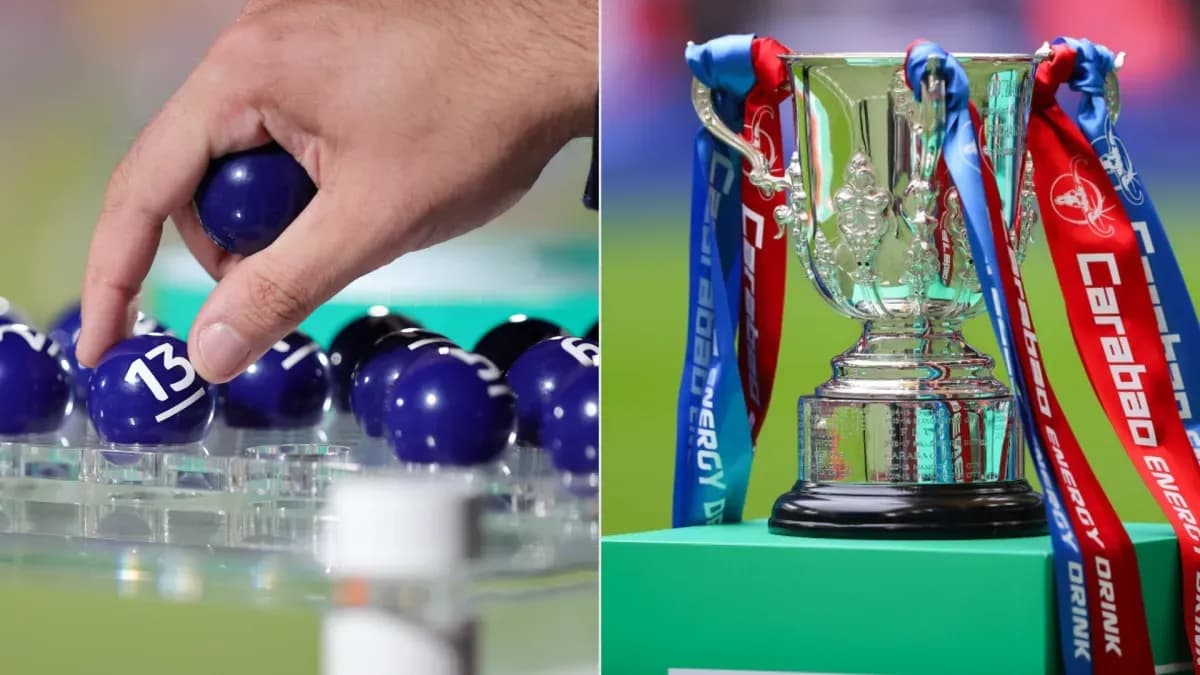
The Carabao Cup first-round tie against Portsmouth on Saturday should be a gentle loosener, a low-key curtain-raiser. Instead, it lands as a blunt symbol of where the club now stands: out of the Premier League, stripped of status, and staring at a long climb back from the Championship.
Relegation has been followed by a summer that has matched any of those winters of discontent. The on‑pitch failure has collided with a boardroom power struggle, allegations against the club’s most powerful figure and a fanbase that has sold out 50,000 season tickets yet remains in open revolt.
A club in the Championship, a board in chaos
Some clubs use the Championship as a reset. West Ham did it in 2011-12 under Sam Allardyce, taking the hit, regrouping, and bouncing back at the first attempt. Bookmakers expect something similar this time; the Hammers are short-odds favourites to go up.
The mood does not match the market.
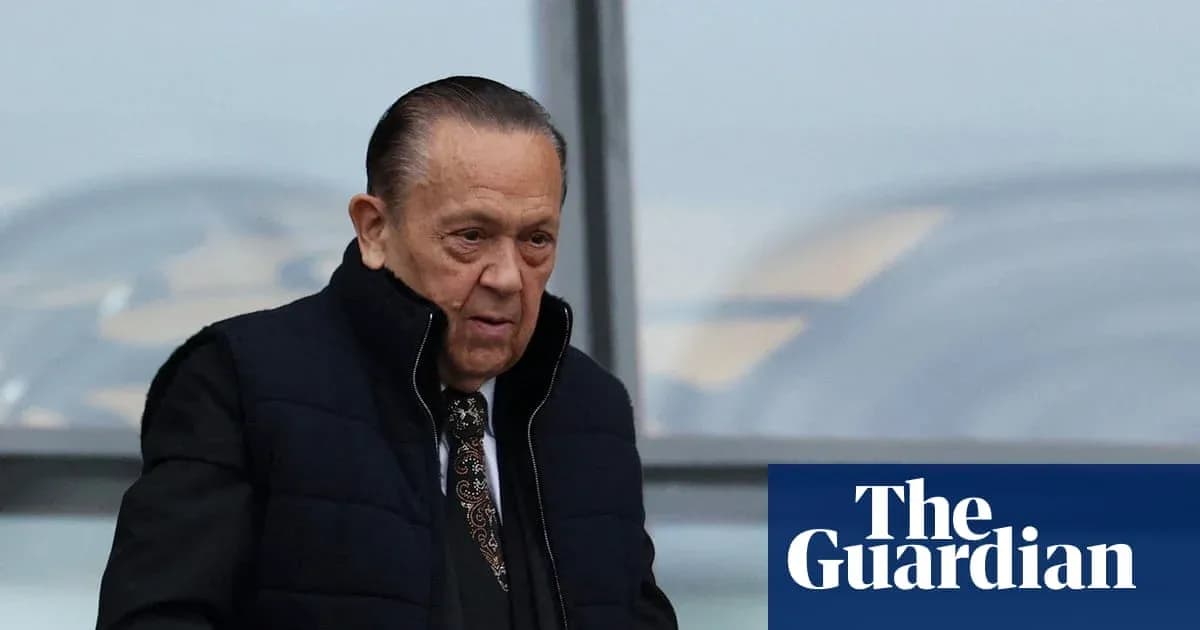
Behind the scenes, the summer has been turbulent. The power dynamics that defined the club for more than a decade are splintering. David Sullivan, once joint-chair and long the dominant voice in football decisions, has stepped back from his formal role but not from the spotlight.
The London Stadium’s operators have advised that he stay away on Saturday, citing the “potential for demonstrations and anti-social behaviour by some spectators”. The club’s fans advisory board has warned that his presence would cause “offence and upset”. Yet the expectation is that he will attend regardless, determined, it is suggested, to watch this season as a supporter while he waits for the right moment to consider selling his 38.8% stake.
His last appearance at a home game ended in haste. On 25 May, as relegation was confirmed despite victory over Leeds, Sullivan had to leave early for his own safety.
Since then, the storm around him has only intensified. In June, a BBC Panorama documentary levelled allegations of sexually exploitative and predatory behaviour towards women over several decades. Sullivan denies them, and on the eve of the broadcast he stepped down from his role “to avoid disruption to the club while he addresses the matter privately”. The accusations arrived on top of years of anger over his stewardship of a club that, remarkably, has gone from lifting the Europa Conference League in May 2023 to the second tier in little more than a year.
The £100m received for Declan Rice in the summer of that European triumph has long been spent, with little to show for it. The squad that once looked upwardly mobile has been broken apart. One of the few remaining pillars, Jarrod Bowen, now club captain and a hero of that night in Prague, has committed to stay and lead the promotion push.
Sullivan’s influence, though, is not easily erased. Until his fall from power, he effectively acted as director of football, a role that repeatedly frustrated staff in the football department. His closest ally, Karren Brady, departed in April as the pressure mounted, ending a professional partnership that stretched back to 1990.
New money, old questions
The fanbase is split on many things. It is united on one: the desire to see Sullivan gone completely. His announced departure from day-to-day running of the club had offered a sliver of optimism, a sense that a new era might finally be forming.
The reality is more complicated.
Daniel Kretinsky, the Czech billionaire and owner of Royal Mail, has held 27% of West Ham since 2021 and appeared the obvious successor. When Sullivan stepped back, many expected Kretinsky to move decisively, especially with the 25% stake held by the late David Gold now in play. That stake currently belongs to Gold’s daughter, Vanessa, the co-chair.
This week, though, Kretinsky trimmed his shareholding to just under 25%, shifting 2% to fellow Czech entrepreneur Jakub Havrlant. The move keeps him below the 30% threshold that would trigger a mandatory takeover offer once he acquires more. It also positions him to exercise first refusal on the Gold shares without immediately tipping him over 50.1% and into a formal bid.
That strategy cuts directly across the ambitions of another familiar name.
Last weekend, Amanda Staveley re-entered the Premier League’s orbit. The financier who fronted the Saudi Arabian Public Investment Fund’s takeover of Newcastle left that club in July 2024, her energy and front‑foot approach still missed on Tyneside. She had been linked with a move for Tottenham last September. Now, she is understood to be targeting West Ham, again with significant external funding behind her.
For some Hammers supporters, the prospect of Staveley taking charge carries echoes of what she helped unleash at Newcastle: fresh capital, renewed ambition, a sense of purpose. For others, the picture is murkier. Kretinsky’s manoeuvring, Staveley’s interest and Sullivan’s remaining 38.8% all collide around the Gold family’s 25%. Whoever wins that battle will shape the club’s future.
For now, the next move is Staveley’s to make.
Nuno stays calm as the squad is stripped
While the boardroom chess continues, Nuno Espírito Santo is left to prepare a Championship campaign with a squad in flux.
He was widely expected to depart after relegation. He has stayed, his measured touchline manner and quiet authority badly needed at a club where panic comes easily. Around him, though, the squad has been reshaped not by ambition but necessity.
The first summer signing was Joël Veltman, a free agent after leaving Brighton and Ajax. Experience, versatility, leadership – all welcome. Yet the headline business has been departures.
Mateus Fernandes has gone to Tottenham. Crysencio Summerville has joined Al-Hilal. Between them, they have brought in £140m, roughly the value of a season’s worth of Premier League television money. Homegrown midfielder Freddie Potts has been sold to Club Brugge for £10m, a move that jarred with supporters who wanted academy products at the heart of the rebuild.
Needs must. Relegation rips out revenue streams. To bring players in, West Ham have had to cash in. There is interest in Troy Parrott, Ireland’s World Cup playoff hero now at AZ Alkmaar, but convincing players to drop into the Championship is never simple, even with a club of West Ham’s size.
The fixture list offers little comfort. By 1 September, Nuno’s side will have already faced Burnley, Charlton, Watford and Wolves in the league. Promotion campaigns are not decided by autumn, but seasons can unravel early if anxiety takes hold.
To help steady the operation, Karim Virani has returned as interim chief executive. A former club employee who left in 2020 and later worked at Rangers, he has been brought back to help stitch together an organisation frayed by off-field drama and sporting failure.
A stadium still not home
Beyond the team and the boardroom, the setting tells its own story.
The London Stadium has been busy this summer. Take That filled it. Metallica shook it. The Diamond League rolled in and Josh Kerr broke the world mile record on its track. This week, a bid was confirmed to stage the 2029 World Athletics Championships, the latest twist in a long-running tussle between West Ham and the stadium’s owners.
Every such announcement reminds supporters of a truth they have never fully accepted: this is not a football ground built for them. It is a multi-use venue they rent, 10 years on from leaving the Boleyn Ground. The terms agreed by Sullivan, Gold Sr and Brady still sting. The distance from the pitch, the athletics legacy, the constant churn of non-football events – all of it feeds a sense that West Ham remain tenants in their own home.
On Saturday, 9,000 Portsmouth fans will cross the capital, filling the away end and adding noise to a stadium that can still feel cavernous when discontent takes hold. Somewhere in the stands, if he defies advice and protests alike, Sullivan is expected to sit and watch.
A decade after the move from Upton Park, with the club back in the second tier, the owner unwelcome in his own ground and rival investors circling, West Ham begin a season that could define their next generation.
Do they use the Championship as a launchpad once more, or as a warning that the fall can go even further?