.svg&w=384&q=75 "Naijagoal logo")

Wayne Rooney Critiques City's Guards of Honour for Silva and Stones
The Etihad wanted a farewell. What it got was a row about where celebration ends and competition begins.
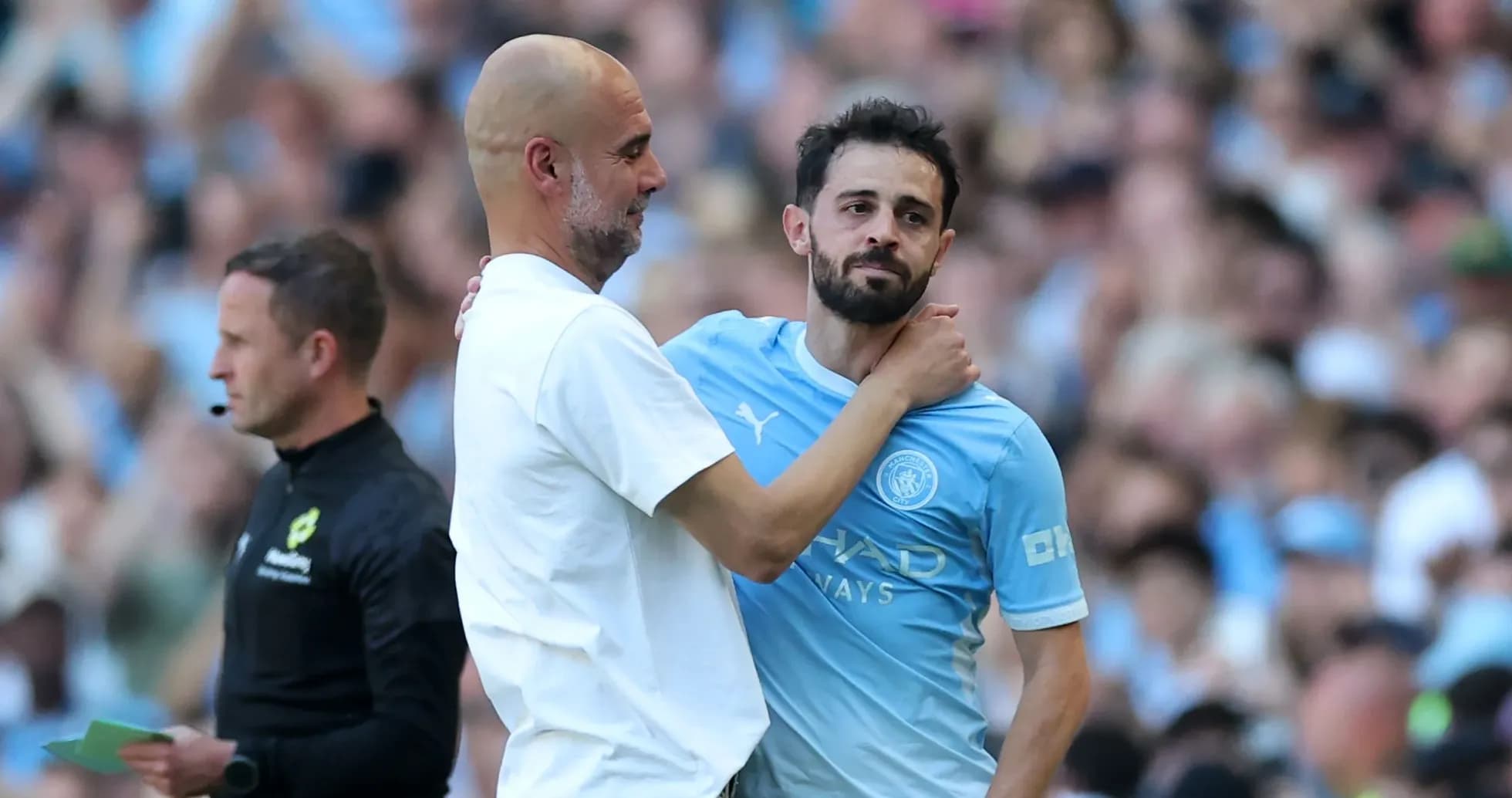
On an afternoon built to serenade Pep Guardiola’s decade of dominance, Manchester City twice stopped a live Premier League game to form guards of honour for Bernardo Silva and John Stones as they were substituted against Aston Villa. Both sets of players lined up, twice, to applaud them off.
For Wayne Rooney, watching on, that crossed a line.
“It’s incredible,” he told BBC Match of the Day. “I’ve seen a few things this season, and it just makes me sad that some of these things are happening in football. Bernardo Silva and John Stones have been incredible for Manchester City and they deserve it, but do it after the game. If I was in that Aston Villa team, I’d be fuming.”
Ceremony in the middle of a contest
The first moment came just before the hour. The game was level, the outcome still live, when Silva’s number went up. As he walked off, City and Villa players formed an impromptu corridor of applause. Twenty minutes later, with the match still in the balance, the scene repeated for Stones.
The optics jarred. This was not a testimonial. Villa still had something riding on the result, with European positioning and coefficient implications in play before the final whistle. Critics argued that the spectacle chipped away at the competitive edge that underpins the Premier League’s reputation.
Alan Shearer shared Rooney’s irritation and, crucially, his confusion at Villa’s role in it all.
“I was surprised that Villa agreed to doing it, particularly with so long left,” the former Newcastle United striker said. “I mean, with half an hour, just over half an hour to go with one of the substitutions, so yeah, I’m in Wayne’s camp. I’m not a great fan of that while the game is going on.”
The sense from both former England forwards was clear: honour your greats, but not at the expense of the contest they helped to define.
Villa crash the party
On the pitch, Villa showed no interest in playing supporting cast.
Ollie Watkins struck twice to turn the occasion on its head and seal a 2-1 win, a result that cut across the script of a soft-focus farewell for Guardiola. Antoine Semenyo had put City ahead, but the visitors grew into the game as the emotion inside the stadium swelled and the intensity of the home side dipped.
The timing of the guards of honour fed into the narrative. As City paused to celebrate, Villa stayed sharp. The visitors’ focus did not waver, and the reward was a victory that mattered.
Villa had already booked their place in next season’s Champions League via their Europa League triumph, yet this win still carried weight. It lifted them above Liverpool into fourth, a shift that rippled across Europe and aided Sporting CP by allowing the Portuguese champions to skip the Champions League qualifying rounds.
While City turned inward to salute their stalwarts, Villa quietly banked points and prestige.
Guardiola’s tears and a lingering question
For Guardiola, this was the end of a monumental chapter. Ten years, 20 major trophies, and a style of football that reshaped the league. The match itself became a backdrop to the emotion pouring out of the home dugout.
After the final whistle, the City manager admitted he was “so tired” and broke down in tears as he spoke about the bonds forged since 2016. What finally cracked his composure, he said, was watching his players react to the departures of Silva and Stones. Those guards of honour, so fiercely debated outside, cut straight to the heart of the dressing room inside.
It underlined the depth of feeling around a squad that has lived at the game’s summit for so long. The defeat, in that sense, felt like a smudge on a masterpiece rather than a defining final stroke.
Yet as the Etihad emptied and the Guardiola era moved from present tense to history, one argument refused to leave with the crowd.
How do you properly honour departing legends and a transformational manager without softening the edge of elite competition? City chose to stop the game, twice, to applaud. Rooney and Shearer would have waited.
The Premier League, never shy of theatre, now has another fault line to pick over: in an age of choreographed farewells and curated moments, how much ceremony can a live contest bear before it stops being a contest at all?