.svg&w=384&q=75 "Naijagoal logo")

USMNT vs Australia: Pulisic's Impact and Tournament Stakes
The United States arrive at this one with a strut. After dismantling Paraguay, the expectation around the USMNT is blunt: beat Australia, lock up the group, and keep the tournament dream humming.
Inside the camp, though, the conversation is a little more nuanced — and it starts with the man who makes everything tick.
Pulisic problem, Pochettino dilemma
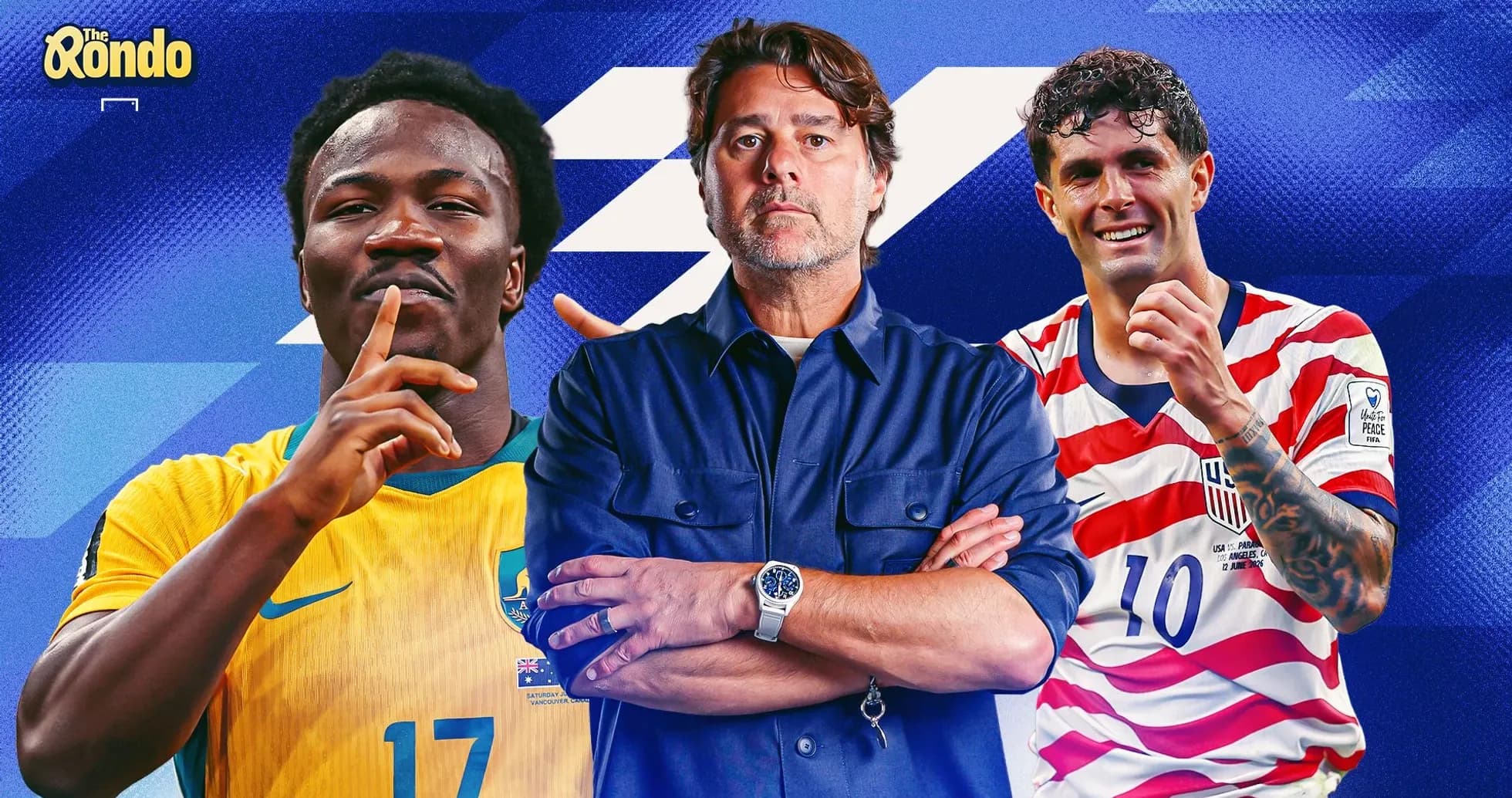
Christian Pulisic is the system. That’s the blunt assessment from those watching this team closely, and it explains the collective wince when his status became uncertain.
“Losing your best player ain't good,” is how the mood is summed up.
The U.S. have depth at striker; they do not have another Pulisic. He drives the tempo, breaks lines, and, as one teammate put it, is the best in the squad at beating a defender one-v-one.
That last part matters against Australia. This is not Paraguay. Breaking them down will require someone who can unpick a low block on their own, someone who can turn a half-chance into a real one with a single touch or feint. Pulisic did exactly that on the opening goal last game, creating the kind of moment this side leans on when the patterns of play dry up.
So Mauricio Pochettino faces a classic tournament manager’s call. Does he risk his main man now, chase the win, and then try to stash him away for the final group game? Or does he exercise maximum caution, bench him, and trust the depth he’s been handed? The temptation is obvious: get Pulisic on the pitch, get the job done, then wrap him in cotton wool for two weeks. But the stakes of a setback are just as clear.
Short term, there’s a belief the U.S. can handle Australia without him. Longer term, the anxiety grows. This team looks like it might be on the verge of something serious in this tournament. They will need Pulisic at full tilt to actually pull it off.
A strange Australia, a serious threat
This Australia side is an odd one. It doesn’t have the familiar sheen of Premier League regulars that defined previous generations. That can lead to lazy assumptions from a Eurocentric gaze. It would be a mistake.
They have talent, and they have menace. Nestory Irankunda is the name that keeps coming up — and with reason. A livewire off the left, he will keep Sergiño Dest honest, maybe even pinned back. He is exactly the type of player who can turn a measured game into chaos with one sprint.
The U.S. back line has offered encouragement to that kind of player in recent months. There has been sloppiness. There has been space. There has been vulnerability to pace. Put Irankunda in a foot race with Tim Ream and you don’t need a tactics board to sketch the outcome. Chris Richards, fresh off an ankle injury, adds another question mark, and both fullbacks love to bomb forward. That leaves grass to attack. Irankunda will see it and go.
If the game tightens and tilts into a stalemate, Australia have another card to play: Mathew Ryan. The veteran goalkeeper has seen most of what the sport can throw at him in Europe and has exuded confidence all week about Australia’s chances. Matt Freese barely broke a sweat against Paraguay. If this turns into a night where one save swings everything, Ryan’s experience could matter more than any chalkboard plan.
U.S. match-winners under the spotlight
This is where the American stars earn their billing.
Against a back five that will dig in, the U.S. will lean heavily on their difference-makers in the final third. Pulisic, if he plays, is the obvious focal point. Around him, others need to raise their ceiling.
Malik Tillman is near the top of that list. His off-ball work against Paraguay was outstanding, his pressing angles sharp, his positioning intelligent. With the ball, though, he left something on the table. Pochettino’s decision to drop the prototypical No. 10 into a No. 8 role may prove one of the more intriguing tweaks of this cycle. If Tillman can marry his current form with a goal or an assist, it could transform both his confidence and the complexion of this midfield. Especially if Pulisic is missing or diminished, Tillman’s ability to knit play and arrive in dangerous pockets becomes crucial.
Up front, the responsibility tilts toward Folarin Balogun. The Paraguay match opened up and suited his instincts. Australia will not be so generous. Passing lanes will be tighter, space in behind rarer. That’s when a No. 9 has to do more than finish — he has to occupy defenders, link play, and drag a compact line into places it doesn’t want to go. If Pulisic cannot shoulder his usual load, Balogun becomes the primary reference point, either by scoring himself or by creating platforms for those around him.
The truth is, the U.S. need all of their attacking pieces to hum. This is not a night for passengers.
Stakes that stretch beyond 90 minutes
On paper, the mood around the result is bullish. “Hard to see anything that isn't a USMNT victory,” is the prevailing view. They were simply too good against Paraguay, and if they reach that level again, this should be comfortable.
But the undercurrent is more cautious. This will be physical. It will be tight. It will be nervy. The kind of match where one flash of brilliance or one lapse in concentration redraws the bracket.
Drop points here, and the implications ripple. In pure math terms, it wouldn’t be fatal; three points can still be enough to escape a group. In tournament terms, though, it’s messy. Failing to win would make topping the group difficult and could steer the U.S. toward a heavyweight like Argentina down the line. That is not the path anyone in U.S. Soccer wants.
There’s a deeper layer as well. For two decades, this program has talked about “the next step.” Time and again, the moment has arrived, only for a misstep or an underperformance to drag them back into familiar territory. Hiring Pochettino was a statement of intent, a declaration that the federation is willing to invest in a manager who belongs at the sharp end of the sport.
To justify that, the USMNT have to start turning these chances into statements. Winning the group is not just about avoiding a giant later. It’s about proving that this version of the team can handle expectation, pressure, and the burden of being favorites.
Australia will not roll over. The U.S. believe they have too much. Somewhere between those two truths lies the answer to a bigger question: is this the same old story, or the start of something genuinely new?