.svg&w=384&q=75 "Naijagoal logo")

Unai Emery's Calm Approach Amid Villa's Slow Start
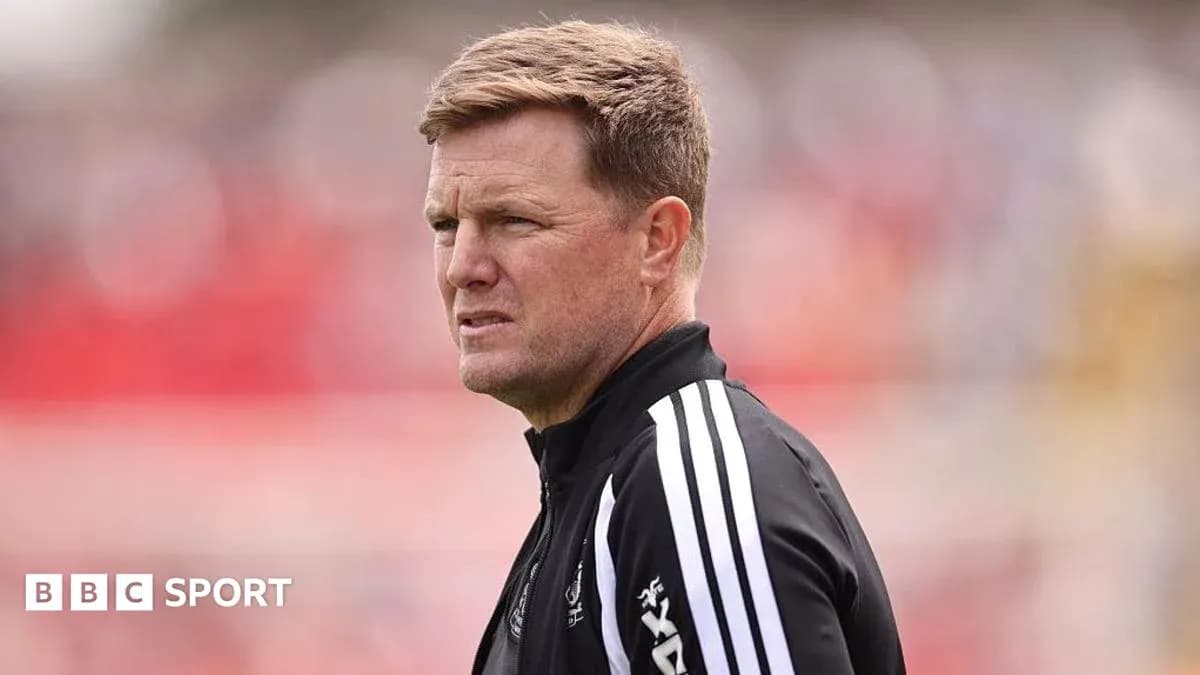
Unai Emery does not do panic. He may live every second on the touchline, jabbing the air and prowling his technical area, but once the dressing-room door closes, Aston Villa’s players see a different figure: controlled, forensic, almost unnervingly calm.
Almost always.
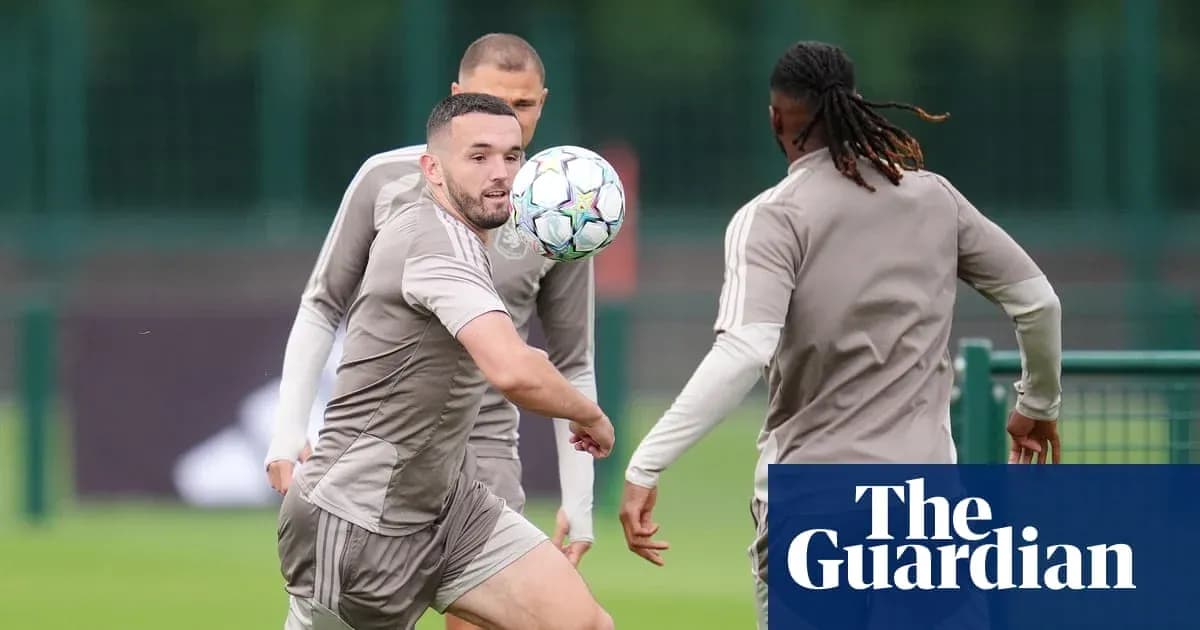
John McGinn still recalls the moment Emery snapped. Not at a sloppy first half, not at a defensive lapse, but at his captain. McGinn had torn into teammates at the interval, letting fly in the way English football has long romanticised. Emery hated it. To him, it was wasted energy, noise without solutions. Emotion is fine; efficiency is non-negotiable.
That mindset is being tested again now.
Villa’s slow burn – again
Villa have started slowly, but this is familiar territory. Last season, at this stage, they had no points in the Premier League and were still 157 minutes away from their first goal. They ended up in the Champions League, for the second time in three seasons.
By comparison, this year’s stumble feels almost measured.
Saturday’s goalless draw at Hull will not live long in the memory. It was functional, flat at times, and short on incision. Yet inside it, Emery saw enough: patterns emerging, distances tightening, new signings beginning to understand the script. When he says he believes this side can again punch above their weight, his track record makes it a hard argument to contest.
Since Emery walked through the door, Villa have lived their most successful modern era. He knows it, but he frames it as a collective climb rather than a personal triumph.
“When we started the project here, the ambition we had, it was [not even] in our highest expectations to be in Europe four years in a row,” he said. “It was very difficult when we started working together but it was the ambition of the owner. We set our standards high with the players to be there and we are. Now is the moment to remember how we got here and the way we did. Now it is a different moment and chapter.”
A different chapter, same author.
Meetings, details and one famous early exit
When the pressure comes, Emery doesn’t rip things up. He doubles down.
Last season they waited until their seventh game in all competitions for a win. It finally arrived in the Europa League against Bologna, McGinn scoring the only goal. The day followed a now-familiar routine: players gathering at around 11.30am for opposition analysis, another deep dive into positioning, angles, distances, triggers.
McGinn jokes they now walk into those meetings “like robots”. The repetition is deliberate. Emery wants habits, not hunches.
He will stop clips, rewind, interrogate a player’s body shape or three-metre shift. It is relentless. Jhon Durán – now on loan at Benfica via Al-Nassr, Fenerbahce and Zenit St Petersburg – is remembered as the only player to have asked to leave a meeting midway through. The story has become part of the Emery folklore at Bodymoor Heath.
The work continues this week. On Tuesday, Villa face Club Brugge for the fourth time in two years. Europe, again, might be the spark.
Last September, that Bologna win lit the fuse on an astonishing run: 17 wins in 19 matches. Half of the 14 players involved that night have since moved on. The dressing room looks different, the core has shifted, but one of those who played then, Emiliano Buendía, believes the new group can find a similar rhythm.
“It has not been the start we wanted, but we are trying to take the positive things from every match,” said the Argentinian, who has started all four Villa games this season. “We will try to change this momentum in terms of results and try to get our confidence back to perform well and [achieve] the results we want.”
Europe as validation
Another Champions League campaign should not feel routine. For Villa, it is anything but. Returning to this stage, off the back of winning the Europa League last season, may be the clearest expression yet of Emery’s work.
Supporters will feel it most. They will drift through the cobbled streets of Bruges this week with that sense of belonging that had deserted the club for so long. Barcelona awaits in November, another reminder of how far this project has travelled in a short space of time.
Emery, crucially, still looks energised by it all. He admits he leans on the odd siesta at Bodymoor Heath to recharge.
“Sometimes I need a good nap, after intensive work in the morning,” he said with a smile.
The workload has not eased, even if the goals have.
Green shoots amid the drought
For now, George Hemmings holds a curious statistic. His 13th‑minute effort at Hull remains Villa’s only shot on target this season. In the same match, the 19-year-old – who joined from Nottingham Forest at 16 – slipped Buendía through for a golden chance that went begging.
The temptation is to fixate on the failures in the final third. Yet Emery will point to the bigger picture. Less than a month has passed since Villa pushed Paris Saint-Germain close in the Super Cup, a game in which Emery called the French champions the best team on the planet. Since then, Villa have only strengthened their squad.
One of the most intriguing of the 11 summer arrivals, 18-year-old Ibrahim Mbaye, was an unused substitute for PSG in Salzburg. Another new face, Johan Manzambi, is edging back to full fitness after a knee injury and could be involved as early as Saturday against Nottingham Forest.
Only two of those signings – Zion Suzuki and Nicolas Jackson – started at Hull. Matteo Ruggeri, Aaron Wan-Bissaka and Alejandro Garnacho came from the bench. Taylor Harwood-Bellis, a £25m signing, was left out of the Champions League squad and watched from the stands in Yorkshire. João Gomes saw red on his debut. Leon Goretzka, recruited on a free after leaving Bayern Munich, will not be seen until at least October after a knee setback.
This is a squad in flux, and Emery is in no rush to fast-track reputations.
No time to wait
Emery’s standards have not softened.
“In football, if you are expecting transition, maybe you are not in the right way,” he said last month. “We have to rebuild the team as fast as possible. I don’t know if we need time or not. We are progressing – still not enough because we are not getting good results – but tomorrow is a new test in Europe.”
He will not plead for patience. He will ask for precision, intensity, obedience to the plan.
The touchline will show the usual theatre: the gesturing, the barking, the restless movement. Behind it sits the same cold calculation that dragged Villa from mid-table drift to Champions League nights in Bruges and Barcelona.
The question now is simple: can Emery’s methods ignite another long, relentless run – or has this new chapter written its own, very different script?