.svg&w=384&q=75 "Naijagoal logo")

Spain's World Cup Victory Validates Their Soccer Excellence
Spain’s Long Road to World Cup Glory
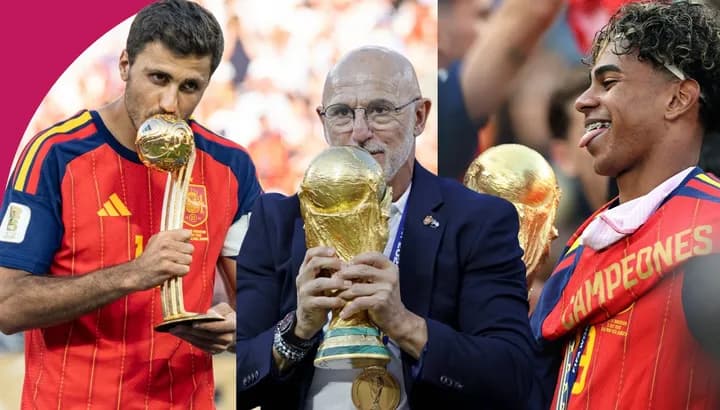
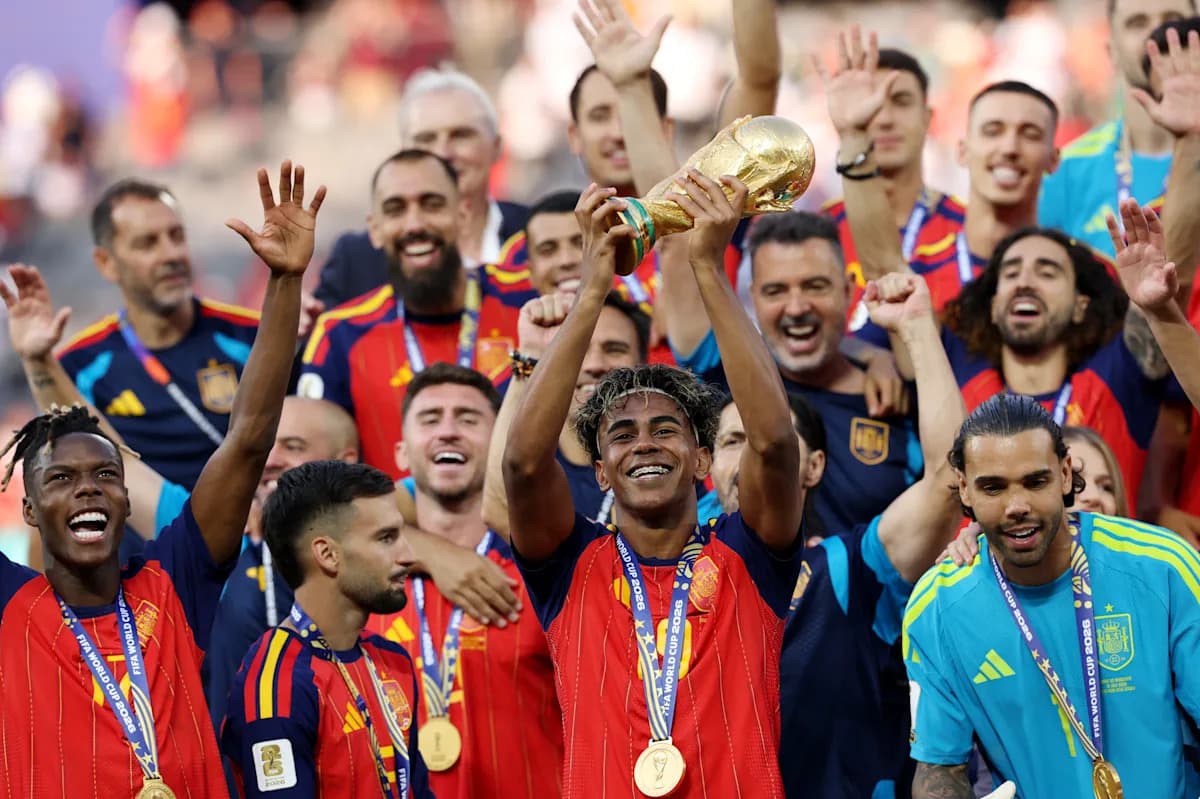
Spain spent years crafting a national team that finally captured the World Cup, confirming what their soccer had hinted at for a long time. The final match showcased two contrasting scenes: Lionel Messi, with tears running down his face after what seemed like his last World Cup appearance, was consoled by passionate Argentine fans. Meanwhile, Spanish players smiled broadly as they received their medals and prepared for the trophy ceremony, led by captain Rodri, who earned the Golden Ball award.
The 1-0 victory came after a grueling 106 minutes when Ferran Torres netted the decisive goal. Spain clearly dominated the match but needed extra time to overcome a resilient Argentina squad reduced to 10 men. Both teams pushed hard, but Spain’s discipline and control of the ball stood out throughout the game.
How Spain Controlled the Final
Spain’s defense conceded just one goal over more than 750 minutes in eight matches during the tournament. Their possession was so commanding it felt like no other team was on the pitch. Argentina, powered by Messi, was stifled into submission, turning their usual attacking force into something manageable for Spain’s defense.
Despite Argentina’s tenacity, especially in knockout rounds where they survived extra-time battles against Cape Verde and Switzerland, Spain’s quality shone brightest. Argentina’s goalkeeper Emi Martínez made a record 11 saves in the final, but only a few posed real threats. The only chance Spain risked losing would have been in a penalty shootout, which they avoided thanks to Torres’ goal early in extra time.
Echoes of 2010
This triumph mirrored Spain’s 2010 World Cup win in South Africa when Andrés Iniesta scored the winning goal against a 10-man Netherlands team in extra time. Iniesta attended Sunday’s match with his family, witnessing history repeat itself. Torres, representing FC Barcelona along with seven teammates, became the second substitute to score a winning World Cup final goal after Germany’s Mario Götze did so in 2014.
"I just saw the ball coming to me and I just shot with the power of all the Spanish people," said Torres, 26.
The crowd and millions worldwide were relieved to avoid penalties deciding the champion. Argentine coach Lionel Scaloni admitted if any team could handle an undecided match until the end, it was Argentina. Still, Spain’s calm and control ultimately dictated the result.
Stars of the Tournament and Future Promise
Spain’s unbeaten streak now stands at 38 matches, an impressive run that includes the 2023 Nations League, 2024 European Championship titles, and an Olympic gold medal in 2024 by their under-23 squad. The women’s national team also claimed their first World Cup crown in 2023, making Spain a powerhouse across both genders.
Coach Luis de la Fuente praised the players’ talent, attitude, and commitment, emphasizing there is more to come from this group. The team featured two teenagers, winger Lamine Yamal and defender Pau Cubarsí, who earned recognition as the tournament’s best young player. Goalkeeper Unai Simon took home the Golden Glove despite limited work during the finals. Rodri, 30, orchestrated play brilliantly and deservedly won the Golden Ball as the tournament’s MVP.
Argentina’s Close but No Victory
Though Argentina lost, pride remained strong. Scaloni expressed gratitude toward their fans for the energy they provided and acknowledged Spain’s deserving win. The journey back to a World Cup final revived immense hope for Argentina’s future, even as the tears fell.