.svg&w=384&q=75 "Naijagoal logo")

Rafael van der Vaart Critiques Netherlands' Collapse Against Morocco
Rafael van der Vaart did not bother with diplomacy. Live on Dutch broadcaster NOS, the former Real Madrid playmaker tore into the Netherlands’ collapse, appalled at how a team that had just begun to find its rhythm managed to rip up its own script on the biggest stage.
The anger was aimed squarely at the touchline.
Koeman’s tactical reshuffle against Morocco – a bold gamble on paper – left the Dutch midfield stripped bare in precisely the area where the North Africans are at their most powerful. The result was a centre of the pitch that belonged almost exclusively to Morocco, and a Dutch side that watched the game happen rather than dictate it.
Van der Vaart could not believe what he was seeing.
“You get through a difficult group stage reasonably well. Then things start clicking a bit. What goes on in your head that makes you change everything against Morocco? I don't understand it one bit,” he said, his disbelief cutting through the broadcast.
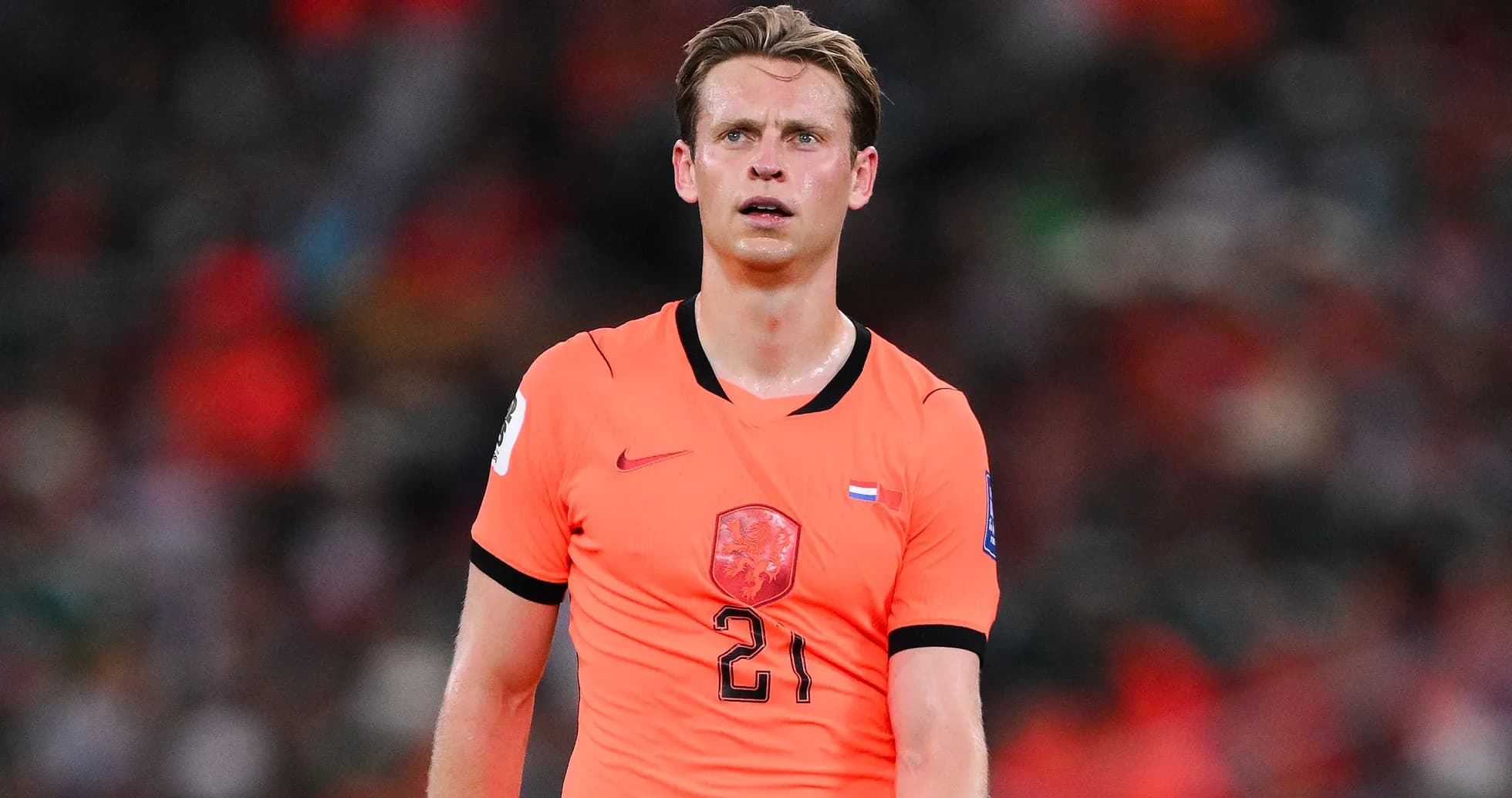
The focal point of his criticism was Frenkie de Jong. Normally the metronome, the player who knits everything together, he instead endured what Van der Vaart described as “the absolute worst game” he had ever seen from the midfielder. De Jong looked lost, starved of the ball, and eventually withdrawn after 110 minutes for Marten de Roon – a substitution that felt more like an admission of a plan gone badly wrong than a routine change.
But Van der Vaart didn’t stop at the individual. For him, the system had betrayed its star.
He argued that by sending out a midfield with too few bodies against Morocco’s strongest line, Koeman had effectively cut off the supply line to his best player. De Jong, a footballer who lives off possession, spent the match chasing shadows. When the Netherlands did win the ball, they rarely found him in positions where he could hurt the opposition. When they didn’t, he simply disappeared from the contest.
“I think Morocco's midfield is their strongest asset. And then you decide to play against them with just two men?” Van der Vaart said. “I didn't study to be a manager, but that seems a bit clumsy to me. Frenkie is only effective when you have the ball, but we didn't have the ball at all today, so Frenkie was completely invisible. And he is supposed to be our main man...”
The criticism extended to the attack. Cody Gakpo found the net, but even his goal could not mask how disconnected he looked from the rest of the team. Van der Vaart pointed out that, like De Jong, Gakpo was “barely involved” – a symbol of a structure that left its supposed match-winners isolated and irrelevant for long stretches.
As Morocco look ahead to a last-16 tie against Canada in Houston, their belief growing with each controlled performance, the Dutch squad board their flight home to a very different atmosphere. The inquest has already started. Questions over Koeman’s tactical judgement will not fade quickly, and neither will the sense that a flawed game plan exposed not just ideas, but ageing legs and outdated hierarchies within the squad.
This tournament was meant to be a step forward. Instead, it has forced a reckoning. With senior figures under heavy fire and the spine of the team showing its age, Koeman now faces a brutal reality: the next international cycle will not just demand tweaks. It will demand decisions that could reshape the Netherlands for years to come.