.svg&w=384&q=75 "Naijagoal logo")

PSG's Champions League Edge Is Also Their Biggest Challenge
PSG’s Unique Position in the Champions League
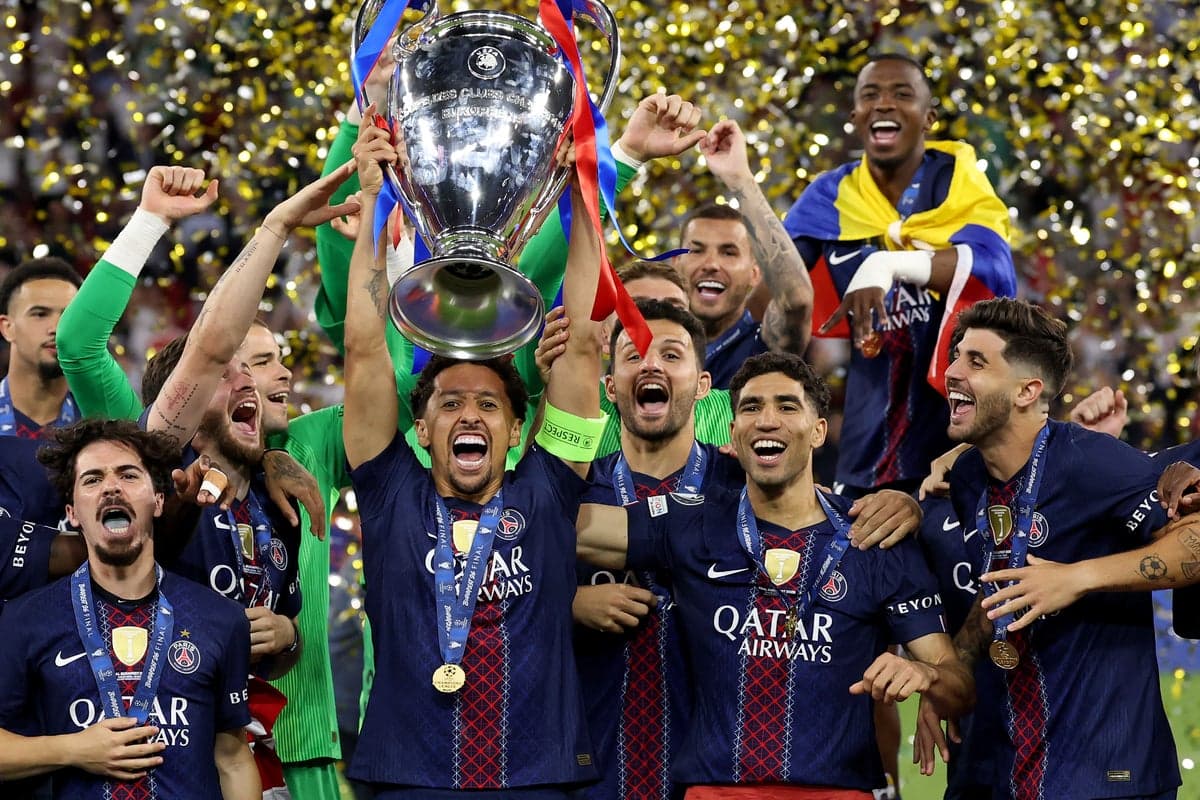
After the 2026 Champions League final, Mikel Arteta found himself preoccupied with one pressing question: how does Arsenal become European champions? More specifically, how do you overcome Paris Saint-Germain? This question has become central as the Champions League enters its third season since expanding to 36 teams, with PSG chasing an unprecedented third consecutive title.
The bigger issue might not be if PSG are truly the best team—they probably are—but if the current tournament format unintentionally benefits dominant clubs from leagues like Ligue 1 or the Bundesliga.
Group Stage: A Different Story
PSG often seem to treat the Champions League group stage as a formality. Over the last two seasons when they won, they ranked 15th and 11th in the league phase, requiring them to navigate a tough playoff round. They have mastered stepping up when it counts, even if their early performances look underwhelming.
This isn't about rehashing complaints about the group stage losing its excitement compared to the 1990s and early 2000s or labeling it a disguised super league fueled by money. The reality is that prize money has created tiers of clubs, making surprise qualifiers rarer than before. Still, there’s entertainment in watching newcomers like Como, LASK, Viking, and Sabah make their debuts and stirring moments in every matchday.
The English Clubs and Premier League Challenges
English teams dominate the top part of the table; none were eliminated at the group stage last season, and even Tottenham, despite a poor run, finished fourth. Yet, finishing fourth in England doesn’t necessarily mean being among Europe’s best, as Atletico Madrid (who placed 14th) proved by knocking Spurs out in the last 16.
The key difference is the Premier League’s intense competitiveness and depth. The battle for survival affects some clubs in ways other leagues don’t experience, which can impact performances in Europe.
New Tournament Format and Its Effects
This is the second year UEFA uses a fixed tennis-style schedule, but outcomes still depend on how seriously wealthy clubs take the eight-match league phase. Some now deliberately rest star players early on to be fresher for tougher knockout ties, showing how the format influences strategy.
The regularity of matches almost makes the Champions League resemble a domestic league rather than a thrilling knockout competition. It becomes “wallpaper football” — always present but often background noise, the prelude to the decisive later rounds.
Star Power and Financial Influence
The Champions League’s expanded format also challenges the Premier League’s dominance beyond broadcasting revenue. Bigger clubs like Real Madrid, Barcelona, and PSG command higher wages and can extend players’ careers at the highest level. For instance, Rodri’s move to Barcelona was motivated partly by a desire to return to LaLiga and compete in this environment.
Barcelona haven’t felt like serious contenders since 2019, but under Hansi Flick and with emerging talents like Lamine Yamal, they’ve regained respect. Rodri’s arrival is seen as a game-changer for their midfield, offering stability and control that could push them deeper into the tournament.
The Road Ahead
If PSG don’t claim this season’s trophy, the other contenders must figure out how to get past them. That challenge has dominated Arteta’s thinking as he tries to elevate his squad’s level. Despite a slow start, PSG remain the only team with a proven ability to finish strongly in this calendar.