.svg&w=384&q=75 "Naijagoal logo")

PSG's Champions League Edge Also Creates a Major Challenge
PSG's Unique Position in the Champions League
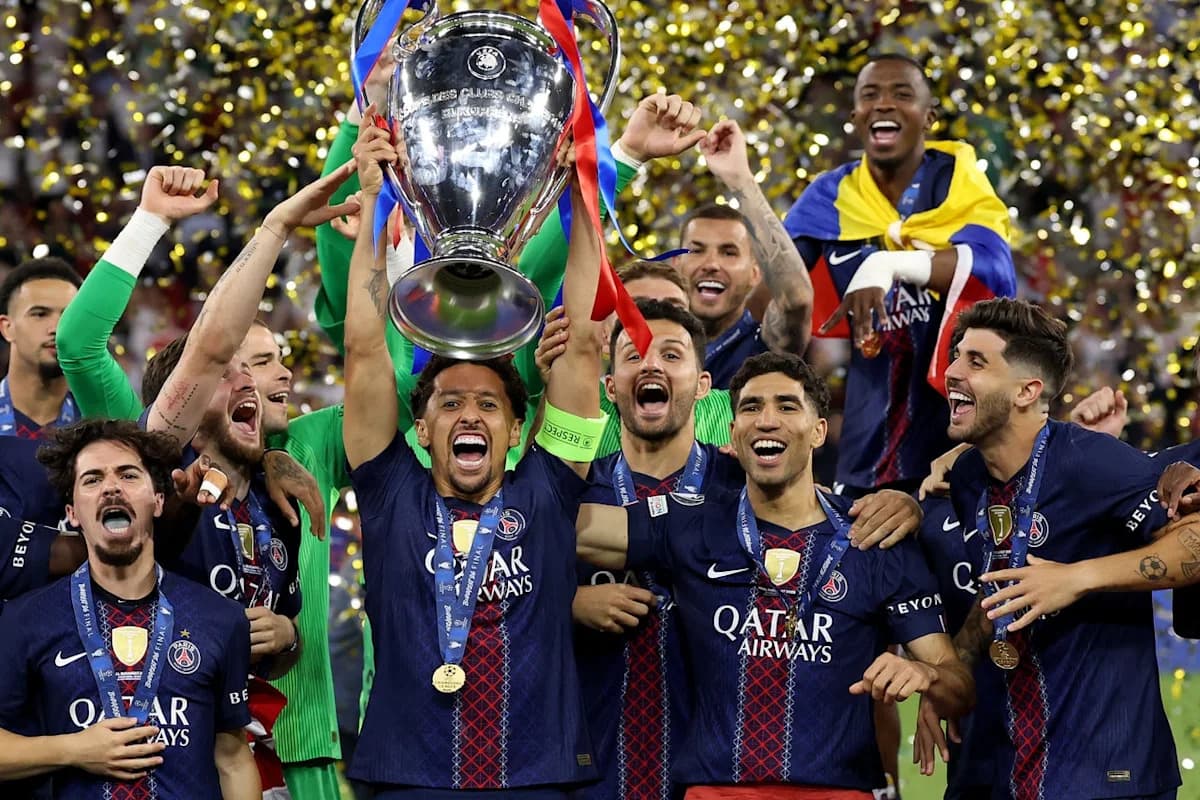
In the aftermath of the 2026 Champions League final, Mikel Arteta found himself preoccupied with a pressing question: how did Arsenal become European champions? More specifically, how do you overcome Paris Saint-Germain? This question takes on extra weight as PSG aims for an unprecedented third straight title in the revamped 36-team format.
But maybe the real question isn’t if PSG are the best team—they probably are—but whether the current structure gives an unintentional edge to powerhouse clubs from leagues like Ligue 1 or the Bundesliga. This ties into broader debates about whether English financial dominance is truly reflected in later tournament rounds. Yet because the early stages differ so much, those debates seem less relevant at this moment.
PSG's Strategy in the Early Phase
PSG barely seem to focus on the Champions League until after February. In their two recent wins, they finished 15th and 11th in the opening league phase, forcing themselves through a tough play-off round. They excel when it counts, which many teams struggle with.
This isn’t about rehashing complaints that the group stage feels meaningless or that it’s just a disguised super league favoring wealthy clubs. The increase in prize money has created clear tiers among clubs, making surprises rare. Still, the group stage holds moments of excitement and showcases newcomers like Como, LASK, Viking, and Sabah.
Stories and Changes in the Competition
Manchester United will experience the magic of Champions League nights at Old Trafford again, while Jose Mourinho hopes to win his third title, 16 years after his last. This season marks the first without Pep Guardiola since 2012, leaving questions about how Manchester City might perform without him. Liverpool’s Andoni Iraola faces the challenge of adjusting to the Champions League’s physical demands.
The competition almost feels like a domestic league due to its regularity—sometimes it becomes what some call “wallpaper football,” always present but not always gripping. The league phase mostly shapes the knockout bracket, and doesn’t necessarily predict the ultimate winner.
New Format and Its Impact
This is the second season with UEFA’s tennis-style fixed route, yet how seriously top clubs take the eight-match league phase varies. Some teams prefer to save their best players for tougher later matches, prioritizing stamina over early points.
English clubs dominate the upper standings, with none eliminated in the group stage so far. Even Tottenham, after a poor previous season, finished fourth. Yet, when matched against Atletico Madrid in the last 16, Tottenham showed they weren’t truly among Europe’s elite. Partly, this is because Tottenham was also fighting relegation domestically, highlighting the Premier League’s intense competitiveness compared to other leagues.
Premier League's Role and Broader Politics
The expanded group stage has indirectly challenged the perception of Premier League power. This happens amid ongoing football politics and rivalries, including the FIFA-UEFA tensions. The failed Super League was meant to counterbalance English dominance; the bigger Champions League now plays a similar role, competing with the Premier League for broadcasting rights and influencing scheduling and player workloads.
Another point is that the Premier League trails behind in star power. Clubs like Real Madrid, Barcelona, and PSG have higher revenues and pay bigger wages, partly because their leagues help extend players’ top-level careers.
Barcelona’s Revival and Key Transfers
The signing of Rodri has boosted Barcelona into genuine Champions League contenders for the first time in eight years. Rodri’s arrival might be the most decisive factor this season, especially as Arsenal missed out on securing a top attacking star. Barcelona hadn’t looked like true contenders since 2019, but young talents like Lamine Yamal and coach Hansi Flick helped restore respectability, though Flick’s high defensive line caused issues. Rodri provides a comprehensive solution by stabilizing the midfield.
This adds another strong contender to the field. If PSG don’t win, every other club must figure out how to get past them. That’s why Arteta emphasizes raising his team’s level. Despite a slow start, PSG knows how to finish strong, and in this calendar year, that experience could prove decisive.